Volkswagen Launches Full Production at Kaluga Plant in Russia
Volkswagen began full-scale vehicle production at its Kaluga facility in October 2009, marking a €570 million investment and a major step in localising its Russian operations.
Volkswagen Group officially launched full vehicle production at its Kaluga plant in Russia in October 2009, after an initial phase of semi-knocked-down assembly that began in late 2007. The move followed a €570 million investment in the facility, which was designed to support Volkswagen’s ambition to become a leading player in the Russian automotive market.
From assembly to full manufacturing
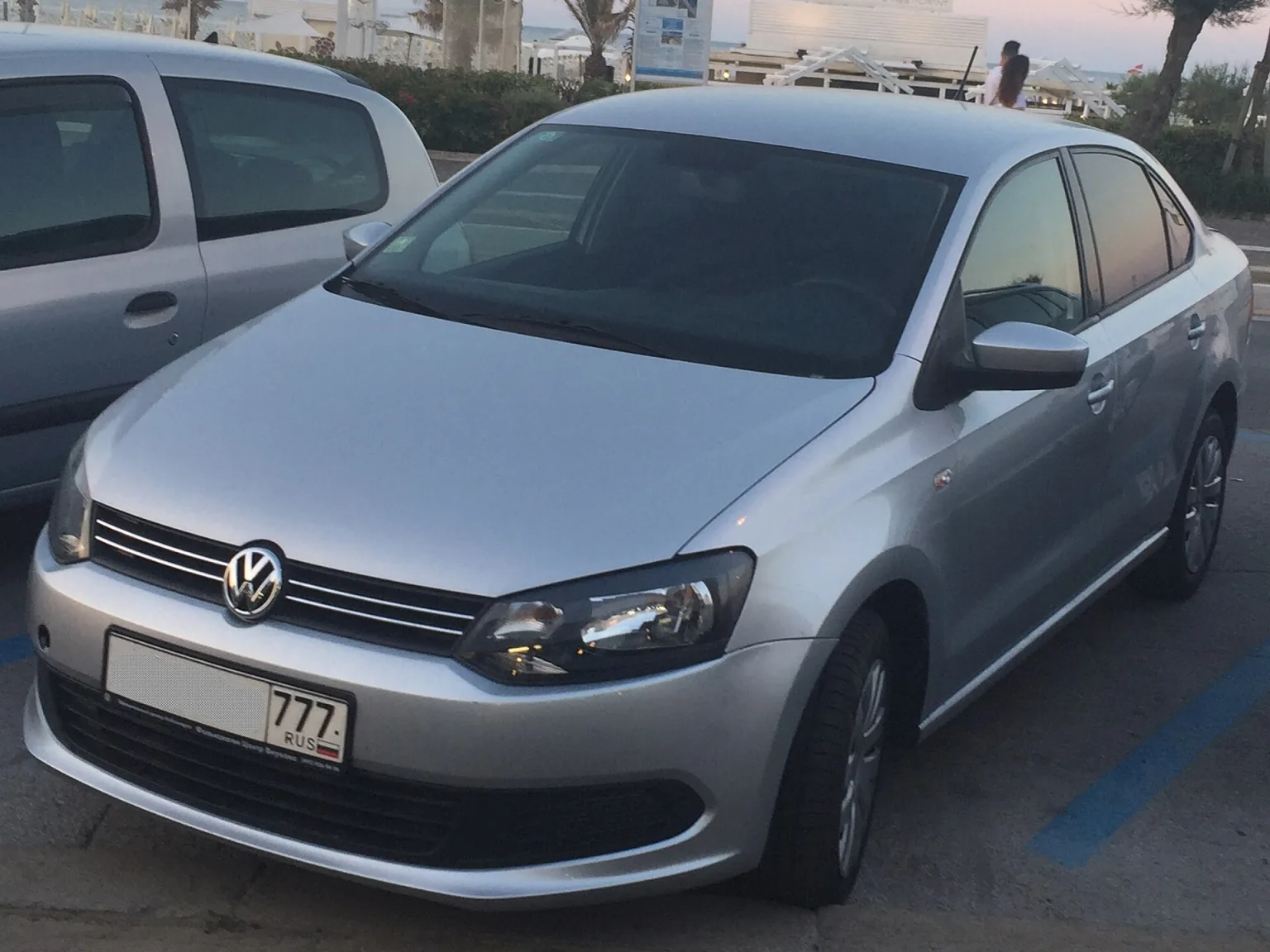
Production at Kaluga started in November 2007 with semi-knocked-down kits, focusing on the Volkswagen Passat and Škoda Octavia. By April 2008, the Jetta joined the line-up, and in June 2010, the Polo was added, with adaptations made for Russian conditions. The facility’s transition to full manufacturing in October 2009 meant the entire production process, from welding and painting to final assembly, was now handled on-site, not just the final assembly of imported kits.
Volkswagen’s decision to localise manufacturing in Kaluga was driven by growing Russian demand and the strategic importance of the market. By the time full production began, the plant had already produced 100,000 vehicles. The company’s market share in Russia more than doubled from 3.2 percent in 2007 to 6.6 percent by late 2009. The Kaluga site initially employed 1,800 people, with plans to reach 3,000 staff by 2010 as production ramped up.
Capacity and model range
The Kaluga plant was designed for an annual output of 150,000 vehicles, with subsequent upgrades increasing capacity. Alongside Volkswagen models, Škoda vehicles were also assembled at the facility. The Polo and Tiguan became particularly popular, with the Polo’s chassis and paintwork tailored for Russian roads and climate. By 2017, Polo and Tiguan models led sales for Volkswagen in Russia, with the plant’s output supporting a 20.5 percent annual sales increase that year.
Engine production and localisation
In September 2015, Volkswagen inaugurated an engine plant at the Kaluga site, producing the 1.6-litre EA211 petrol engine for both Volkswagen and Škoda models. This made Volkswagen the first foreign carmaker to operate its own engine production facility in Russia. The engine plant, built at a cost of €250 million, had a capacity of around 150,000 units per year and helped the company comply with Russian localisation requirements. By early 2018, the Kaluga engine plant had produced 400,000 engines, with a portion exported to other Volkswagen Group factories worldwide.
Impact on jobs and local industry
The Kaluga facility’s expansion created thousands of jobs and deepened Volkswagen’s ties with Russian suppliers. Local engine production increased the proportion of locally sourced components, reducing costs and meeting Russian government requirements for domestic content. Volkswagen’s investment also helped establish Kaluga as a major automotive hub, attracting further industry to the region.
Later developments and closure
Volkswagen continued to expand its Russian manufacturing footprint through contract assembly at GAZ’s Nizhny Novgorod plant from 2011. However, following the Russian invasion of Ukraine in 2022, Volkswagen suspended production at Kaluga and ended its Russian operations. In May 2023, the company sold its Russian assets and withdrew from the market, concluding a fifteen-year manufacturing presence in Kaluga.
For a look at how other manufacturers have approached Russian production, seeToyota to Start RAV4 Production in Russia from August.