How to Keep Your Pet Safe on Weekend Car Journeys
Travelling with pets requires more than good intentions, proper restraint and preparation are essential for their safety and yours.
Weekend trips often mean bringing pets along, but many drivers overlook the risks of travelling with unsecured animals. A pet loose in the car can distract the driver or become a projectile in a crash, putting everyone at risk. Proper planning and restraint are critical for a safe journey. Unrestrained pets can cause accidents or injuries in a collision. Car harnesses, crates or carriers are recommended for safe travel.
Why restraint matters for pet travel
A dog or cat moving freely inside a car can easily distract the driver or interfere with controls. In an accident, an unrestrained animal is at risk of serious injury and can injure passengers as well. Safety experts recommend always securing pets in a harness, crate or carrier designed for automotive use. These not only protect the animal but also prevent them from interfering with the driver’s ability to operate the vehicle safely.
Preparation before the journey
Some animals suffer from car sickness or anxiety. For dogs, offering a chew or treat can keep them occupied and calm. Cats may benefit from spending a few minutes inside the stationary car before departure to adjust to the space. Regardless of species, never allow pets to ride in the driver’s lap or roam the cabin. This can cause dangerous distractions and, in the event of a sudden stop, lead to injury.
- Use a crash-tested harness, crate or carrier for your pet.
- Pack water, familiar bedding and a favourite toy to provide comfort.
- Plan for regular breaks on longer trips to allow your pet to relieve themselves and stretch.
- Never leave pets unattended in a parked vehicle, even for a short time.
- Check your route for pet-friendly rest stops or parks.
During the trip: comfort and safety
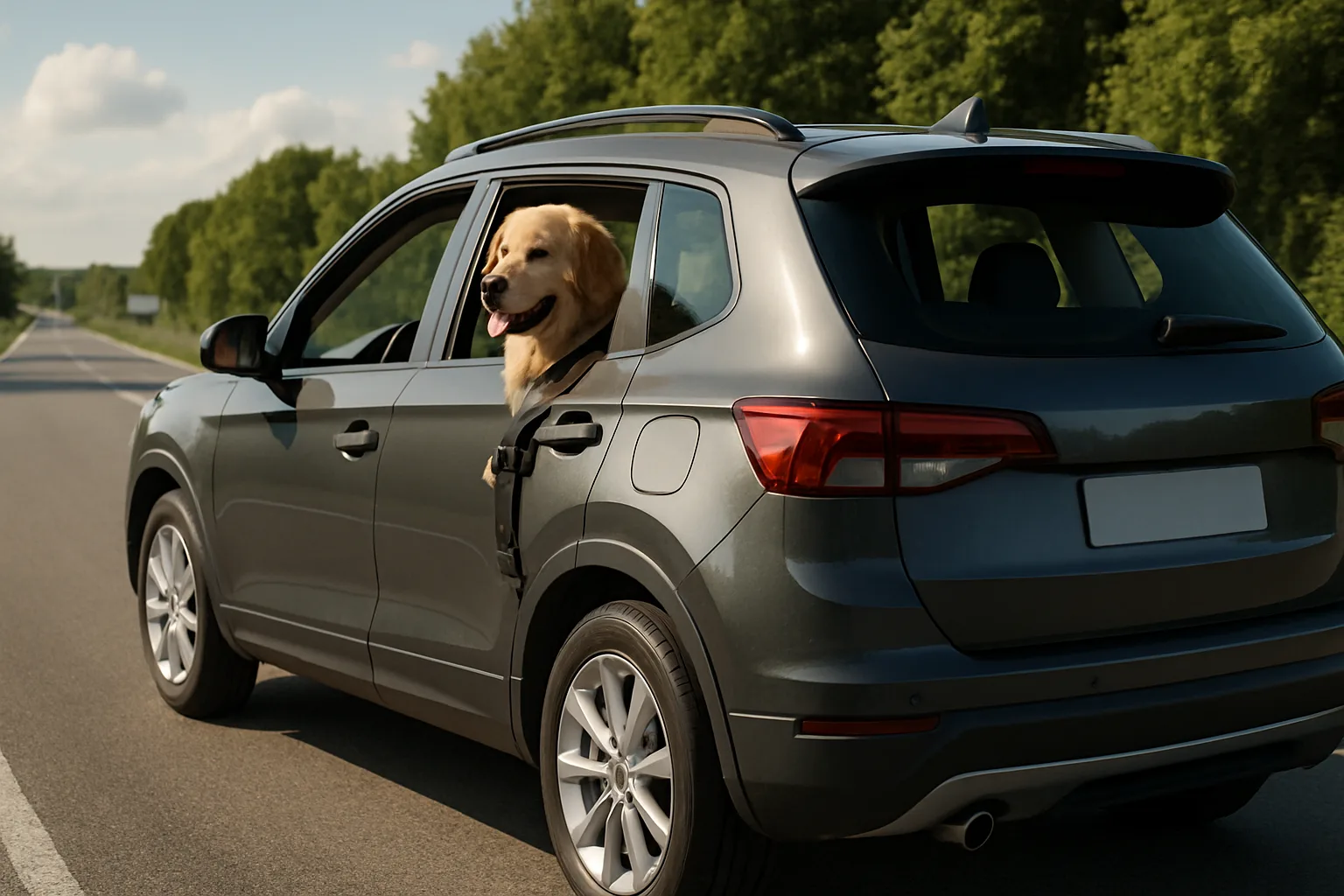
Keep the car well ventilated and avoid letting your pet stick its head out of the window, as debris or sudden stops can cause injury. Offer water at stops, and never leave animals alone in a parked car, especially in warm weather. Regular breaks allow pets to relieve themselves, stretch their legs and reduce stress. A properly restrained pet is safer and less likely to distract the driver, reducing accident risk for everyone in the car.
- Maintain a comfortable temperature in the car.
- Bring waste bags and cleaning supplies in case of accidents.
- Keep identification and vaccination records handy in case of emergencies.
- Monitor your pet for signs of stress or overheating, such as excessive panting or drooling.
Legal considerations and best practice
While the UK Highway Code advises drivers to suitably restrain animals in vehicles, insurance claims may be affected if an unrestrained pet contributes to an accident. Using a harness or crate is not just best practice, it may help avoid complications in the event of a collision. Some insurers may even refuse to pay out if an accident is caused by a pet that was not properly restrained. Being proactive about your animal’s safety can also spare you from potential fines or legal issues.