Plastic snow chains: can they replace metal on winter roads?
A French manufacturer is promoting plastic snow chains made from thermoplastic polyurethane, claiming they offer a lighter and easier alternative to traditional metal chains.
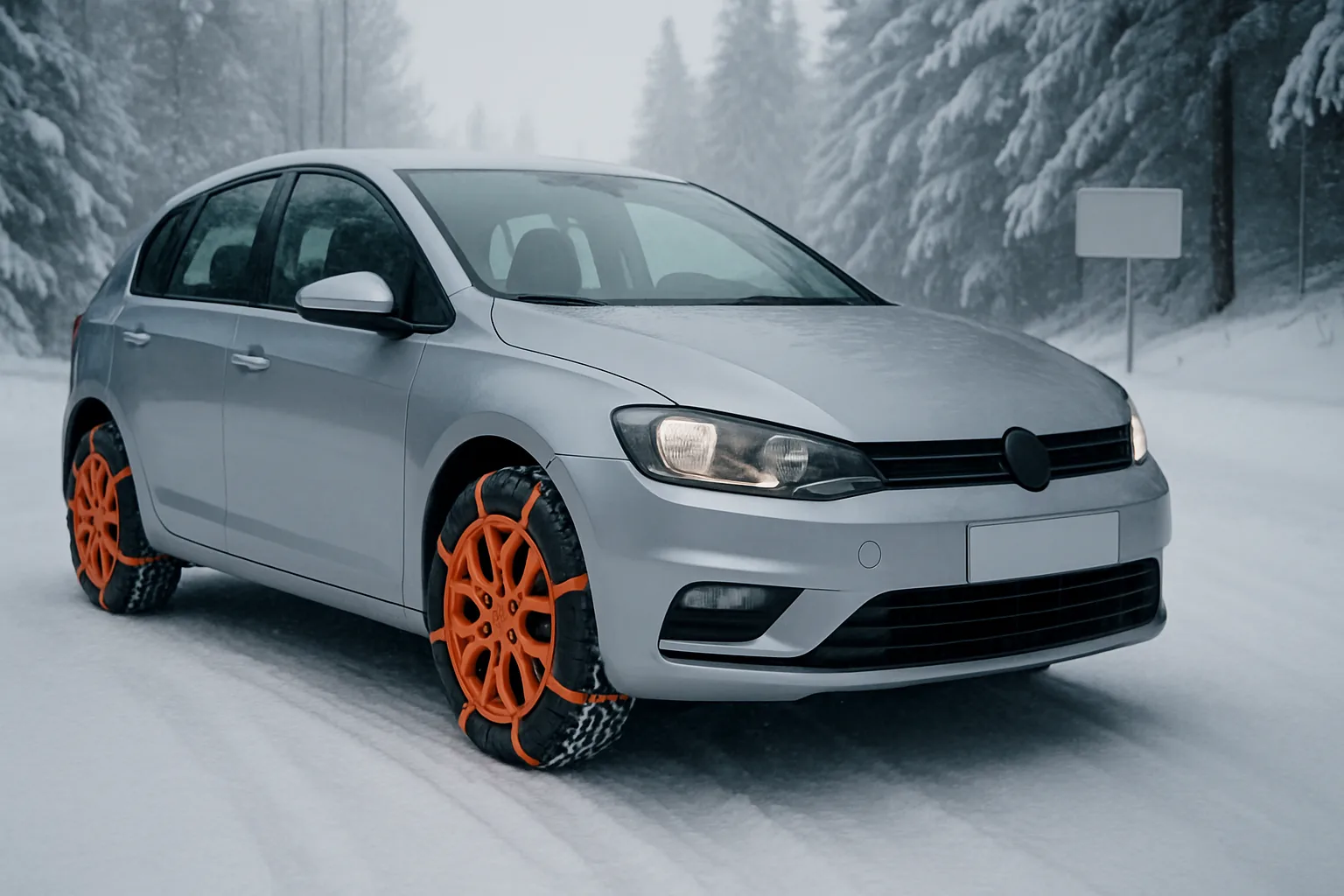
Joubert Productions, a French supplier of textile and rubber products, has introduced a range of snow chains made entirely from plastic, aiming to challenge the dominance of metal chains for winter driving. The company uses Elastollan, a thermoplastic polyurethane (TPU) developed by BASF, to manufacture the links. Joubert claims this material offers the necessary abrasion resistance and flexibility to perform in cold, snowy conditions.
How plastic snow chains are constructed
Unlike traditional metal mesh designs, these plastic chains use two different Elastollan formulations. The harder black segments provide the mechanical strength, while the red sections are more pliable, making the product easier to handle and fit. The two materials are chemically bonded during injection moulding, eliminating the need for extra assembly steps. This approach reduces weight and, according to Joubert, makes the chains quicker to install and remove compared to conventional options.
Safety and durability claims
Joubert states that its plastic snow chains comply with European safety standards, including requirements for abrasion resistance, flexibility at low temperatures, and resistance to salt and loose chippings. The company positions them as a trustworthy alternative to metal, with the added benefit of being less likely to damage alloy wheels. However, while the material properties are promising, long-term real-world testing data remains limited compared to decades of experience with metal chains.
What drivers should consider
The lighter weight and easier handling may appeal to drivers who struggle with the bulk and fiddly installation of metal chains. For those who only encounter snow occasionally, plastic chains could offer a practical solution. However, buyers should look for independent test results and ensure the product meets relevant safety certifications before relying on them for severe winter conditions.
- Plastic snow chains: lighter and easier to fit
- Metal snow chains: established performance record, heavier and more complex