Lexus HS 250h Sales Disappoint as Hybrid Struggles in US Market
Lexus scaled back annual sales targets for the HS 250h after demand fell well short of expectations in the US, with just 14,000 units forecast for 2010.
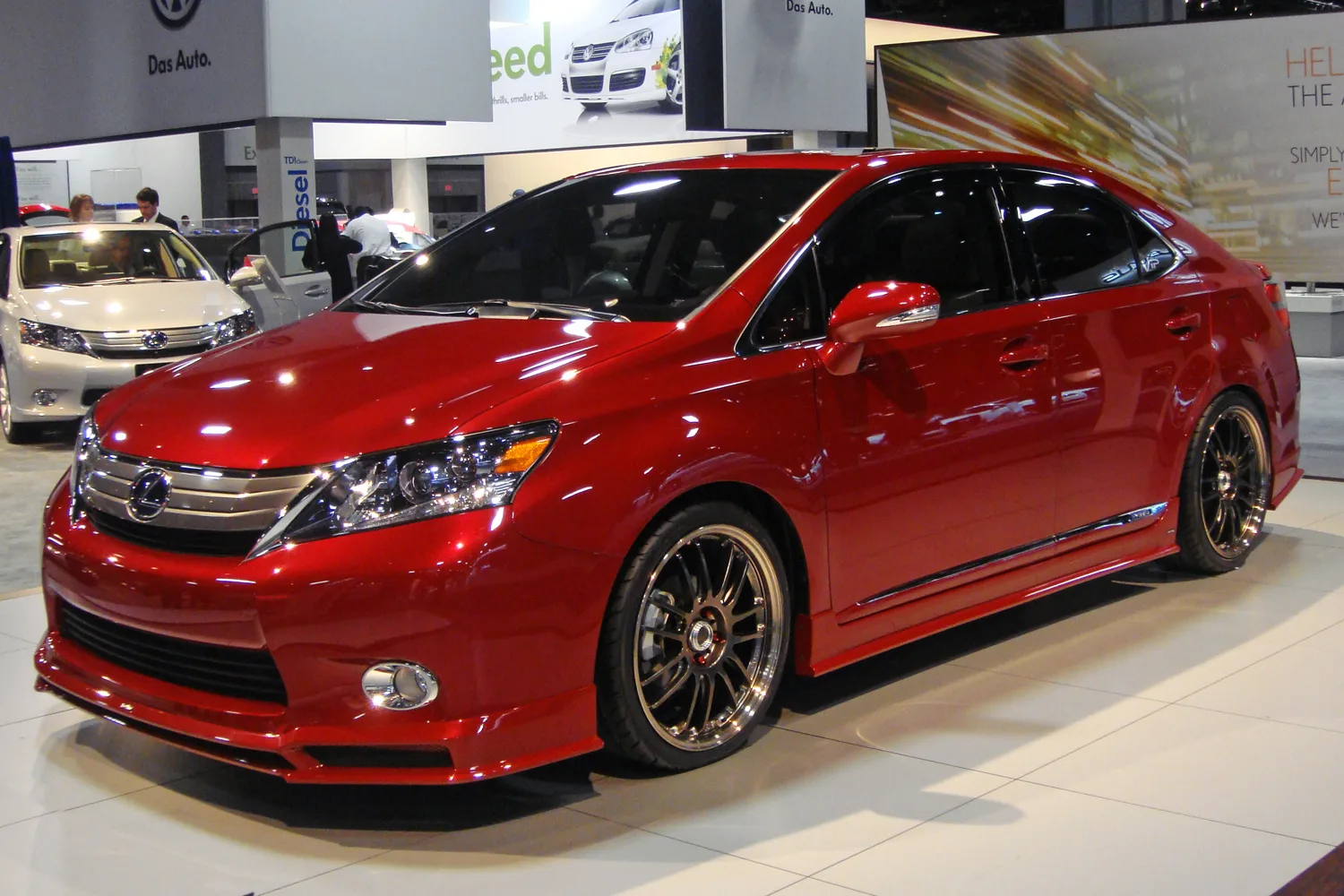
Lexus cut its US sales forecast for the HS 250h hybrid in 2010 after demand failed to match the company’s initial expectations. The brand had hoped to sell between 20,000 and 22,000 units annually, but revised its target down to 14,000 as the model struggled to find buyers.
US sales fall short despite early optimism
When the HS 250h launched in late 2009, Lexus set ambitious US sales targets, initially aiming for 25,000 to 30,000 units per year. Early demand in Japan briefly prompted supply constraints, but the US market quickly cooled. By early 2010, Lexus had sold just over 4,500 HS 250h units in the US, well below expectations. The company adjusted its annual target to 14,000, according to industry reports at the time.
Lexus executives pointed to several factors behind the slow sales. The HS 250h’s price and positioning placed it close to the better-known Toyota Prius, which offered superior fuel economy and a lower entry price. The Prius achieved 51 mpg city and 48 mpg highway, compared to the HS 250h’s 35 mpg city and 34 mpg highway, making it difficult for the Lexus to justify its premium for many buyers.
Competition from within Toyota’s own range
The overlap with the Prius was a persistent problem. Buyers weighing the two hybrids could opt for a well-equipped Prius for less than a base HS 250h, weakening the Lexus’s value proposition. The HS 250h’s position as an entry-level luxury hybrid was further complicated by the limited qualitative difference between the two models, especially given the Prius’s reputation and established customer base.
- HS 250h: 2.4-litre petrol engine with hybrid system, 187bhp, 35/34 mpg (city/highway)
- Prius: 1.8-litre petrol engine with hybrid system, 134bhp, 51/48 mpg (city/highway)
Lexus’s US group vice-president at the time cited low petrol prices as another factor, reducing the incentive for buyers to pay extra for fuel efficiency in a luxury saloon. The economic downturn also made buyers more cautious, but the brand had already scaled back its targets before recessionary effects could be fully blamed.
Consequences for Lexus’s hybrid strategy
The HS 250h’s underperformance forced Lexus to reconsider its approach to hybrid saloons in the US. The model’s struggle highlighted the importance of clear differentiation from Toyota’s mainstream hybrids. While the HS 250h found some buyers, its sales pace never matched the company’s initial optimism. The experience influenced future product planning and hybrid positioning within the Lexus range.