BMW launches second-generation X3 with new engines and tech
BMW has unveiled the 2011 X3, offering new turbocharged and naturally aspirated six-cylinder engines, a larger body, updated suspension and more advanced interior features.

BMW has officially revealed the second-generation X3, which will enter production at the company’s expanded Spartanburg, South Carolina plant before the end of 2010. The new X3 grows in size, adds a more powerful turbocharged engine option, and introduces updated interior and chassis technology aimed at improving comfort and agility.
The 2011 X3 introduces a new top model, the xDrive35i, powered by a 3.0-litre turbocharged inline-six producing 300 horsepower and 300 lb-ft of torque. BMW claims 0-60 mph in 5.5 seconds for this version. The entry-level xDrive28i uses a naturally aspirated 3.0-litre six-cylinder engine, rated at 240 horsepower and 230 lb-ft. Both engines are paired with an eight-speed automatic transmission supplied by ZF, sending power to all four wheels through BMW’s xDrive all-wheel-drive system.
Larger body, revised suspension
Compared to the outgoing model, the new X3 is 3.4 inches longer and 1.1 inches wider, with a wheelbase stretched by 0.6 inches. Ground clearance also increases by half an inch. The chassis adopts a double-jointed MacPherson strut front suspension and multi-link rear setup, with BMW’s optional Electronic Damping Control available to adjust ride firmness via a dashboard button.
- Length: 3.4 inches longer than previous X3
- Width: 1.1 inches wider
- Wheelbase: 0.6 inches longer
- Ground clearance: 0.5 inches higher
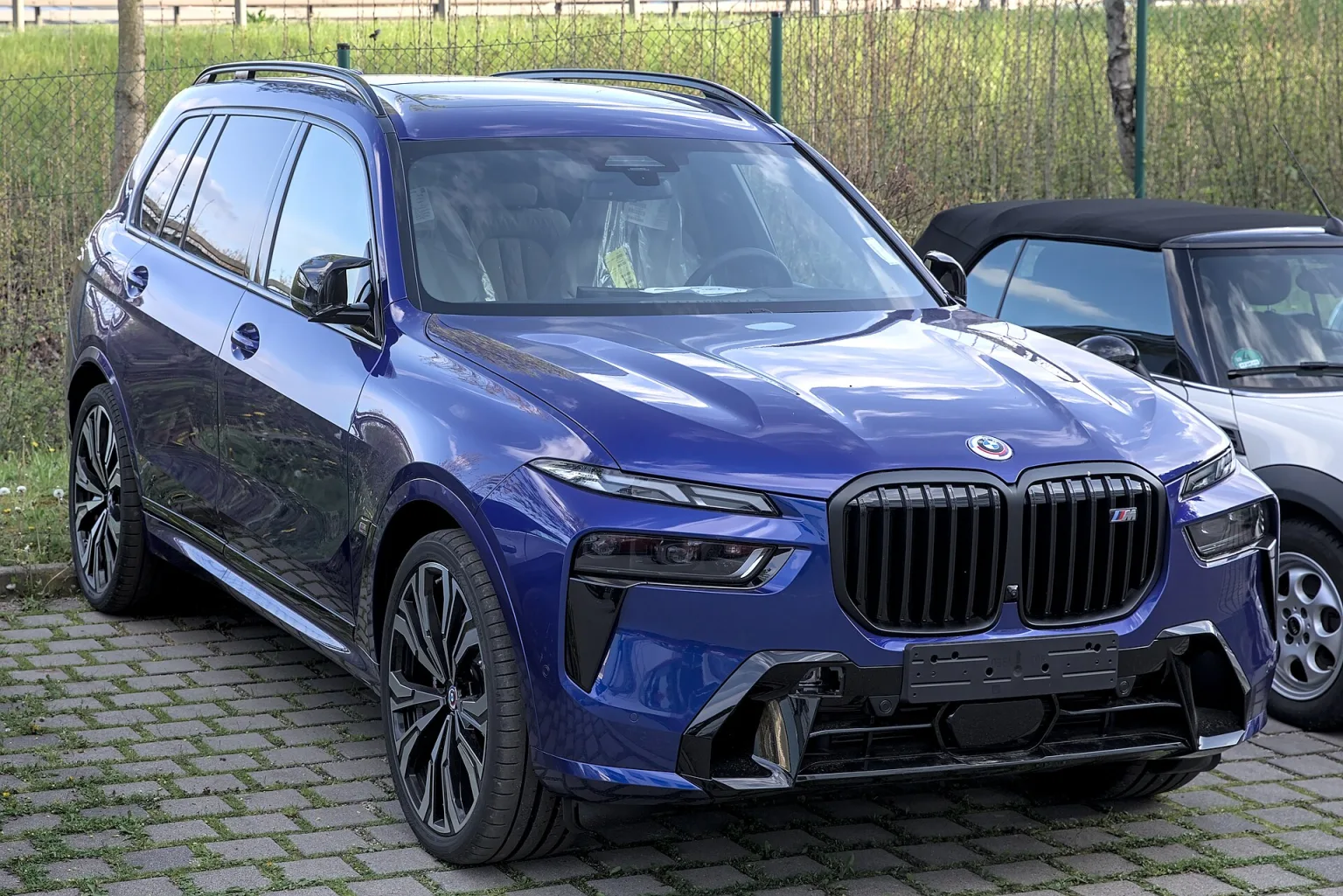
Exterior styling follows BMW’s current approach, with a forward-slanting kidney grille, prominent headlight assemblies and LED daytime running lights. Wheel arches are more pronounced, and the rear features distinctive T-shaped taillights with LED light bars. The overall effect is a more substantial and upmarket appearance than the first-generation X3.
Interior and technology upgrades
Inside, the X3 gains more space for passengers and luggage. The rear seats offer improved leg and elbow room, and the cargo area is now the largest in its segment according to BMW, with up to 1,600 litres of space. The rear seatbacks split 60:40 as standard, with an optional 40:20:40 configuration including a ski pass-through. Storage compartments and cupholders are spread throughout the cabin.
The dashboard can be specified with the latest generation of BMW’s iDrive system, featuring an 8.8-inch high-resolution screen. The navigation display is now trans-reflective for better visibility, and the overall layout aims to improve driver orientation and ergonomics. Material quality and surface finishes have been upgraded to enhance the premium feel.
Production and availability
BMW will build the new X3 exclusively at Spartanburg, reflecting the importance of the US market for the model. Deliveries are scheduled to begin at the end of 2010. Pricing for the 2011 X3 had not been announced at the time of the unveiling.
The X3’s arrival comes as BMW continues to refresh its line-up, with related updates seen elsewhere in the range such as the 5 Series. For more on BMW’s 2011 models, see AC Schnitzer unveils full upgrade package for 2011 BMW 5 Series.