German Carmakers Set 2011 Production and Sales Records
Germany’s automotive industry posted record sales and production in 2011, with strong demand in China and the US offsetting weaker results in Western Europe.
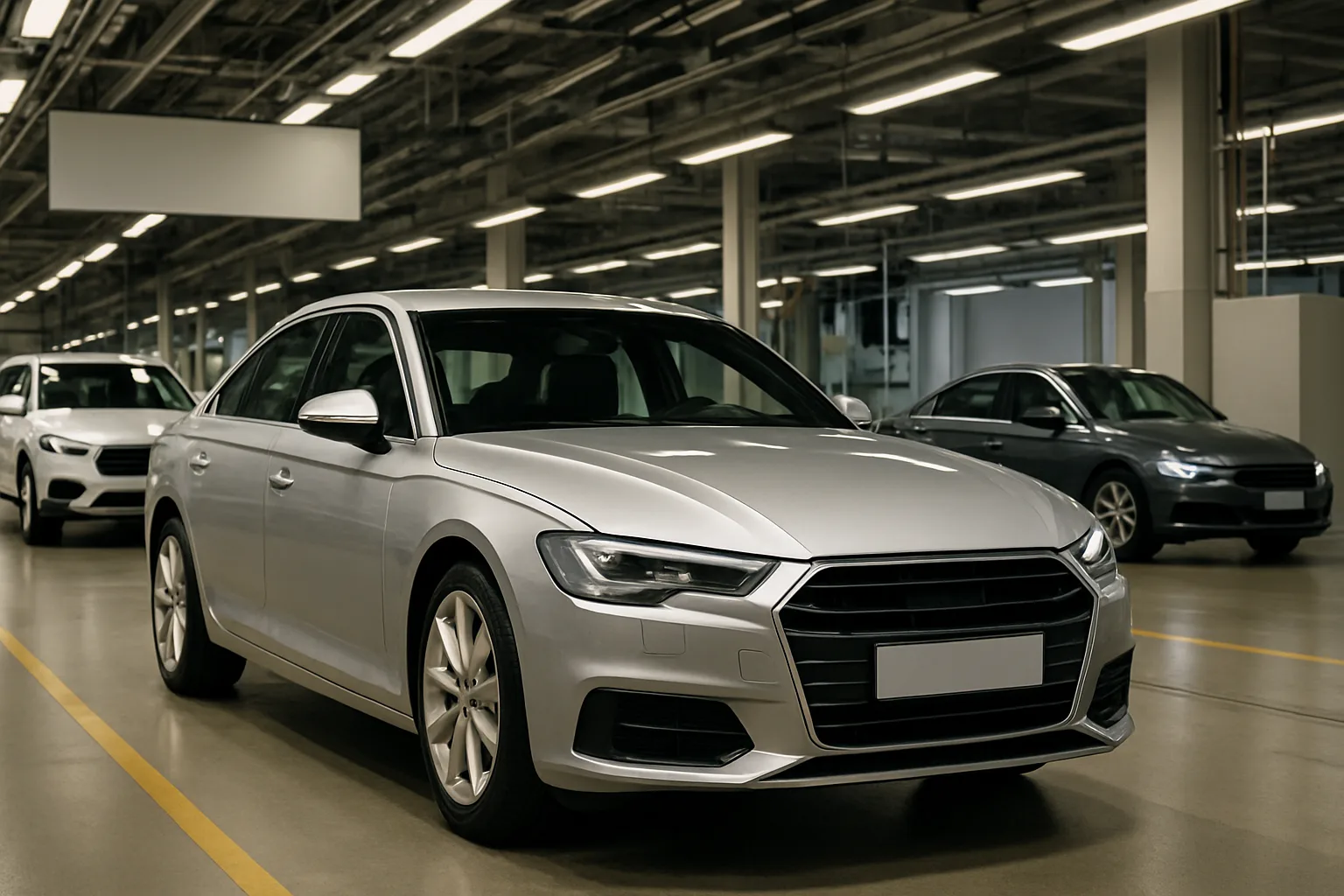
German car manufacturers reached record highs in production and sales during 2011, according to the German automotive industry association (VDA). The year was marked by a surge in global demand, particularly from China and the United States, which helped to offset weaker performance in Western Europe. The eurozone debt crisis led to a decline in car sales in several EU countries, but German carmakers' global strategy and focus on premium vehicles allowed them to thrive despite regional setbacks.
German Carmakers Achieve Record Results in 2011
Export Strength Shields Industry
A key factor in the record performance was the export orientation of German carmakers. According to the VDA, seven out of ten passenger cars exported from Germany in 2011 were destined for markets outside the eurozone. This global focus protected manufacturers from the downturn in Western European demand, which was especially pronounced due to the ongoing debt problems in the region. The ability to tap into growing markets elsewhere proved crucial for the industry's resilience.
Growth Driven by China and United States
China and the United States emerged as the main growth engines for German automakers in 2011. The Chinese market continued its rapid expansion, while the US automotive market rebounded following the financial crisis. Both countries saw strong increases in demand for new vehicles, providing German manufacturers with significant opportunities for growth. The VDA highlighted that these two markets were instrumental in achieving the year's record results.
| Region | 2011 Sales (million units) | 2012 Forecast (million units) | 2012 Change (%) |
|---|---|---|---|
| United States | 12.7 | 13.7 | +8 |
| China | 12.1 | 13.1 | +8 |
| Japan | 3.5 | 4.1 | +17 |
| Western Europe | 12.7 | 12.1 | -5 |
While China and the US both saw projected growth of 8% in 2012, Japan was expected to experience a significant 17% increase, likely due to recovery from the 2011 earthquake and tsunami. In contrast, Western Europe faced a predicted 5% decline in car sales, highlighting the challenges posed by the eurozone crisis. The different trajectories in these regions emphasised the importance of global diversification for German manufacturers.
Dominance in the Premium Segment
German carmakers continued to dominate the global premium segment in 2011. The VDA reported that 80 percent of global premium car sales came from German brands such as BMW, Mercedes-Benz, and Audi. This dominance was significant in helping German manufacturers maintain growth, as the premium segment proved more resilient to economic downturns than the mass market. The focus on high-value vehicles allowed these companies to weather regional challenges more effectively than some of their mass-market rivals, who were more exposed to the European downturn.
Impact of the Eurozone Crisis
The eurozone debt crisis had a marked impact on Western European car sales. The VDA attributed a five percent drop in the region's sales to ongoing financial instability in several EU countries. While this created headwinds for the automotive sector within Europe, German manufacturers' strong export performance and focus on non-European markets helped to offset these losses. The experience underlined the risks of overreliance on any single market and reinforced the value of a global approach.
Outlook for 2012 and Beyond
Looking ahead to 2012, the VDA forecast continued growth in the United States, China, and Japan, with Western Europe expected to remain weak. German carmakers appeared well-positioned to maintain their momentum, thanks to their strong presence in expanding markets and their dominance in the premium segment. The export-led strategy and focus on innovation and quality were likely to remain central to their ongoing success.