2013 Ford Escape EcoBoost Hits 33 MPG Highway in EPA Tests
Ford’s redesigned Escape achieves 33 mpg on the highway with its new 1.6-litre EcoBoost engine, surpassing key rivals and the previous Escape Hybrid.
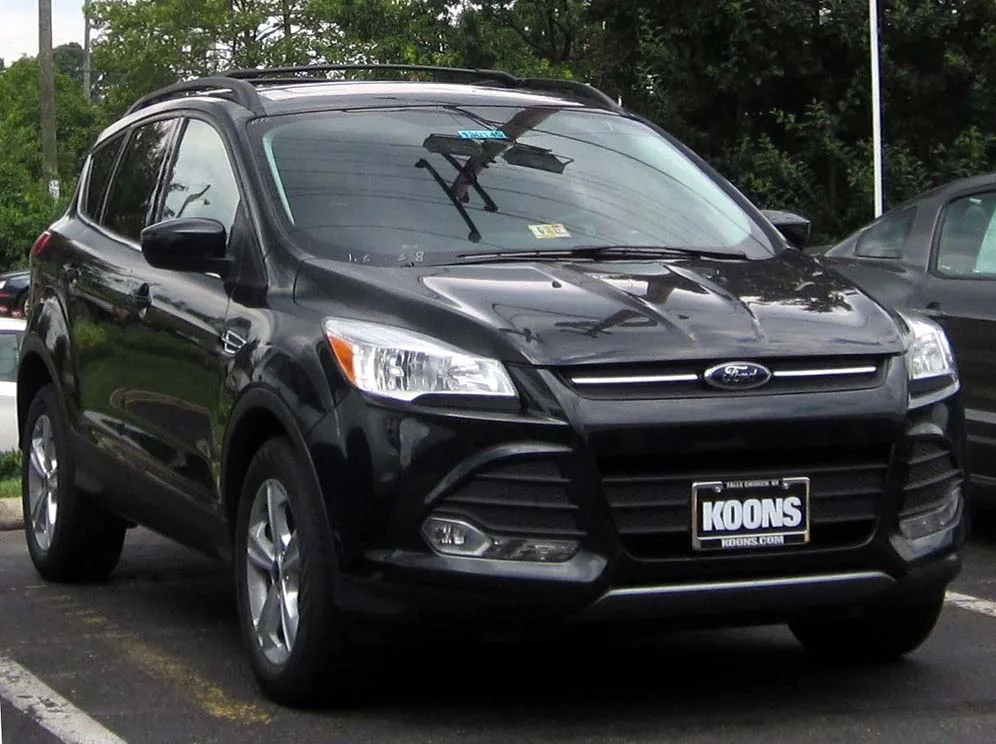
Ford’s 2013 Escape has received an EPA rating of 33 mpg on the highway for the front-wheel drive model equipped with the new 1.6-litre EcoBoost turbocharged four-cylinder engine. The official certification puts the Escape ahead of its main competitors, including the Honda CR-V, Toyota RAV4 and Chevrolet Equinox, in highway fuel economy.
The 1.6-litre EcoBoost delivers 178 horsepower, replacing the need for a larger engine while maintaining strong performance. Ford has dropped the V6 option entirely for the 2013 model year, instead offering a choice of three four-cylinder engines: a 2.5-litre naturally aspirated unit with 168 horsepower, the new 1.6-litre EcoBoost, and a 2.0-litre EcoBoost producing 270 horsepower. The top EcoBoost matches the previous V6’s output but with improved efficiency and lower emissions.
How the 2013 Escape compares to rivals and its predecessor
Ford’s official figures for the front-wheel drive 1.6-litre EcoBoost are 23 mpg in the city and 33 mpg on the highway. That means the new Escape not only outperforms direct rivals on the open road but also edges out the outgoing Escape Hybrid’s highway rating. The move to smaller, turbocharged engines reflects Ford’s wider strategy to boost fleet-wide efficiency without sacrificing usable power. According to Ford, the 2013 Escape is part of a growing line-up of fuel-efficient models, with the company now offering 11 vehicles with EcoBoost engines and eight models rated at 40 mpg or more in the US.
- Honda CR-V (2012): 31 mpg highway
- Toyota RAV4 (2012): 28 mpg highway
- Chevrolet Equinox (2012): 32 mpg highway
- Previous Escape Hybrid: 31 mpg highway
Redesign and features for 2013
The 2013 Escape marks a major redesign, moving away from the boxy styling of its predecessor to a more sculpted, car-like profile. The new look aligns it with other recent Ford models and is aimed at broadening its appeal in the compact SUV segment. Inside, the Escape also adopts new materials, improved ergonomics and updated technology options, though the key talking point remains its engine range and fuel economy gains.
What the EPA rating means for Ford and buyers
For buyers, the EPA numbers make the Escape a strong contender for those prioritising fuel economy in a compact SUV. The decision to drop the V6 and focus on smaller, turbocharged engines is in line with market trends and helps Ford meet tightening emissions and efficiency targets. The Escape’s EPA rating also gives Ford a marketing edge in a highly competitive segment, especially as fuel prices continue to influence buying decisions in North America.
Ford’s EcoBoost technology is now central to its US passenger car line-up, with similar engines appearing in models such as the Focus and Fiesta. For more on the Escape’s market positioning and pricing, see Ford Cuts Price on 2013 Escape for US Buyers.