Hyundai i40 Estate: Practicality and Value in the D-Segment
Hyundai’s 2013 i40 Estate aims at the heart of the family wagon market with strong equipment, competitive pricing and a focus on practicality over flair.
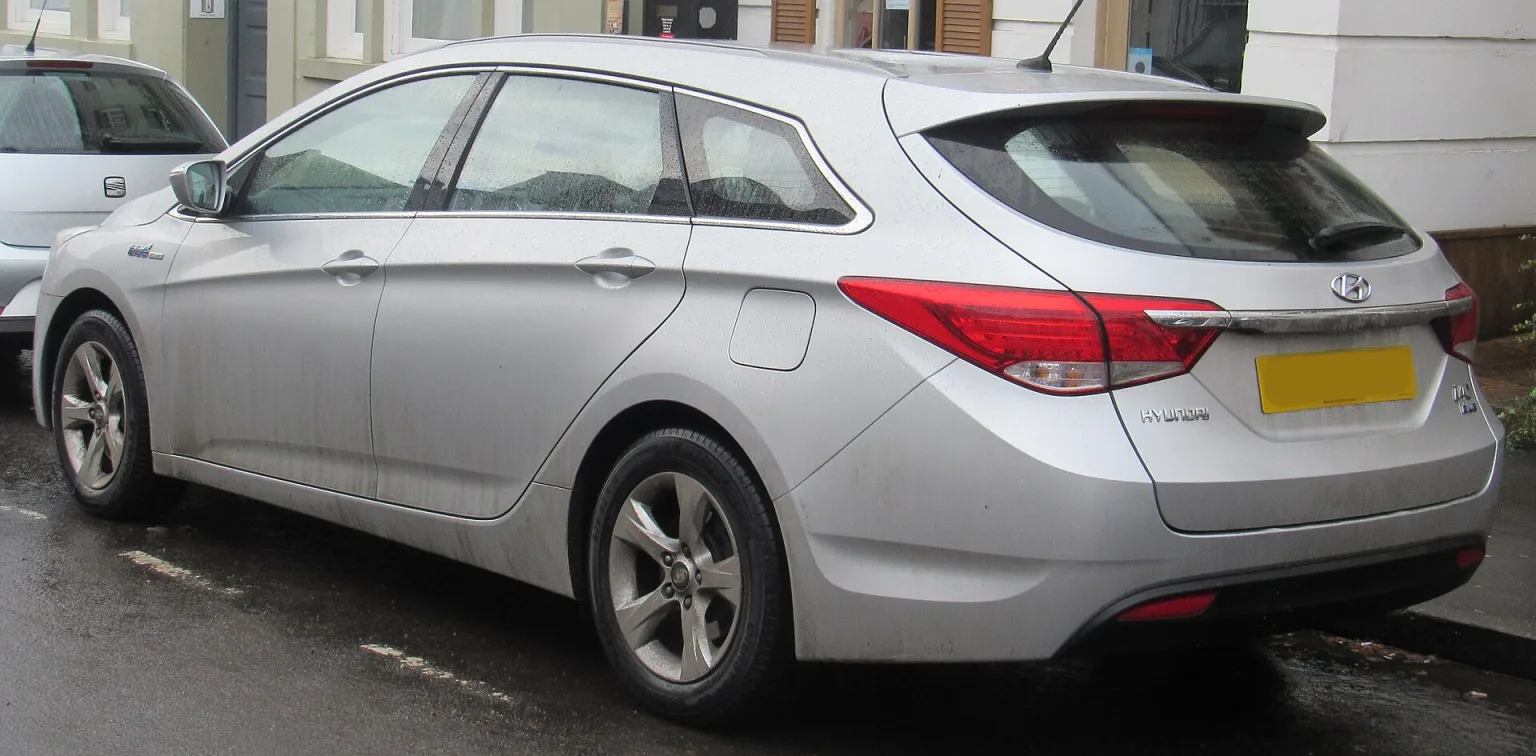
Hyundai’s i40 Estate, launched in 2011 and tested here in its 2013 guise, is the company’s answer to the mainstream European D-segment wagon. Designed in Germany and built at the vast Ulsan plant in South Korea, the i40 Estate targets families and fleet buyers with a mix of practicality, standard equipment and a price advantage over established rivals like the Ford Mondeo and Peugeot 508.
Diesel engine and on-road performance
The 1.7-litre CRDi diesel is the largest diesel offered in the i40 range, producing 136hp at 4,000rpm and 320Nm of torque when paired with the six-speed automatic gearbox. Despite its relatively small displacement compared with the 2.0- and 2.2-litre units common in this class, it delivers competitive power. The trade-off is a 0–100km/h time of 12 seconds for the automatic (10.6 seconds for the manual), reflecting the i40’s substantial 1,659kg kerb weight.
The engine can be vocal at start-up but settles at speed, and the automatic gearbox handles urban and motorway driving smoothly. Overtaking is manageable in third and fourth gears, and a sport mode is fitted, though few buyers in this segment will use it often. Hyundai claims a combined fuel consumption of 6.0l/100km; real-world testing over 1,200km put the figure at 6.4l/100km, which is in line with expectations for a car of this size and weight.
Handling and safety credentials
The i40’s steering is very light, which aids parking and city driving but leaves the car feeling overly assisted at speed. While initial impressions suggest understeer, the chassis remains composed in bends and body roll is kept in check, even when pushed. Stability at motorway speeds is good, and the car’s overall behaviour is predictable and safe.
Standard safety equipment includes ESP, ABS with Brake Assist, Hill-start Assist, active front headrests and a driver’s knee airbag. These features, alongside the five-star Euro NCAP rating, position the i40 well for family buyers concerned about occupant protection.
Interior space and practicality
Hyundai’s focus on practicality is clear inside the i40 Estate. Rear seat space is generous, with especially impressive legroom. Boot capacity is 553 litres with the seats up and expands to 1,719 litres with them folded, putting the i40 among the best in its class for cargo space. For comparison, the Ford Mondeo Estate offers 537/1,728 litres respectively.
- Soft-touch materials on doors and dash
- Well-illuminated gauges and easy-to-use satnav
- Bluetooth pairing and reverse camera standard
Cabin quality is a step up from earlier Hyundais, with soft-touch surfaces and a modern design. Some harder plastics remain, but overall fit and finish reflect Hyundai’s push upmarket. Standard kit includes navigation, Bluetooth connectivity and a reversing camera, supporting the i40’s value proposition.
Value and market position
At a list price of €23,750 in Europe, the i40 Estate undercuts key rivals by around €2,000, and comes with Hyundai’s five-year unlimited mileage warranty. The i40’s reputation for reliability and a strong warranty package are likely to appeal to cost-conscious buyers and fleet operators. Hyundai also claims better projected resale values than the Ford Mondeo, although this will depend on local markets and specification.
For buyers considering alternatives, the i40’s blend of practicality, equipment and warranty coverage make it a strong contender in the family estate segment. Those interested in Hyundai’s broader range can compare the i40’s approach to value with the brand’s other models, such as theHyundai Veloster Turbo.