Volkswagen Unveils Seventh-Generation Golf in Berlin
The 2013 Volkswagen Golf Mk7 debuts with a lighter MQB platform, updated design and new technology ahead of its Paris Motor Show public premiere.
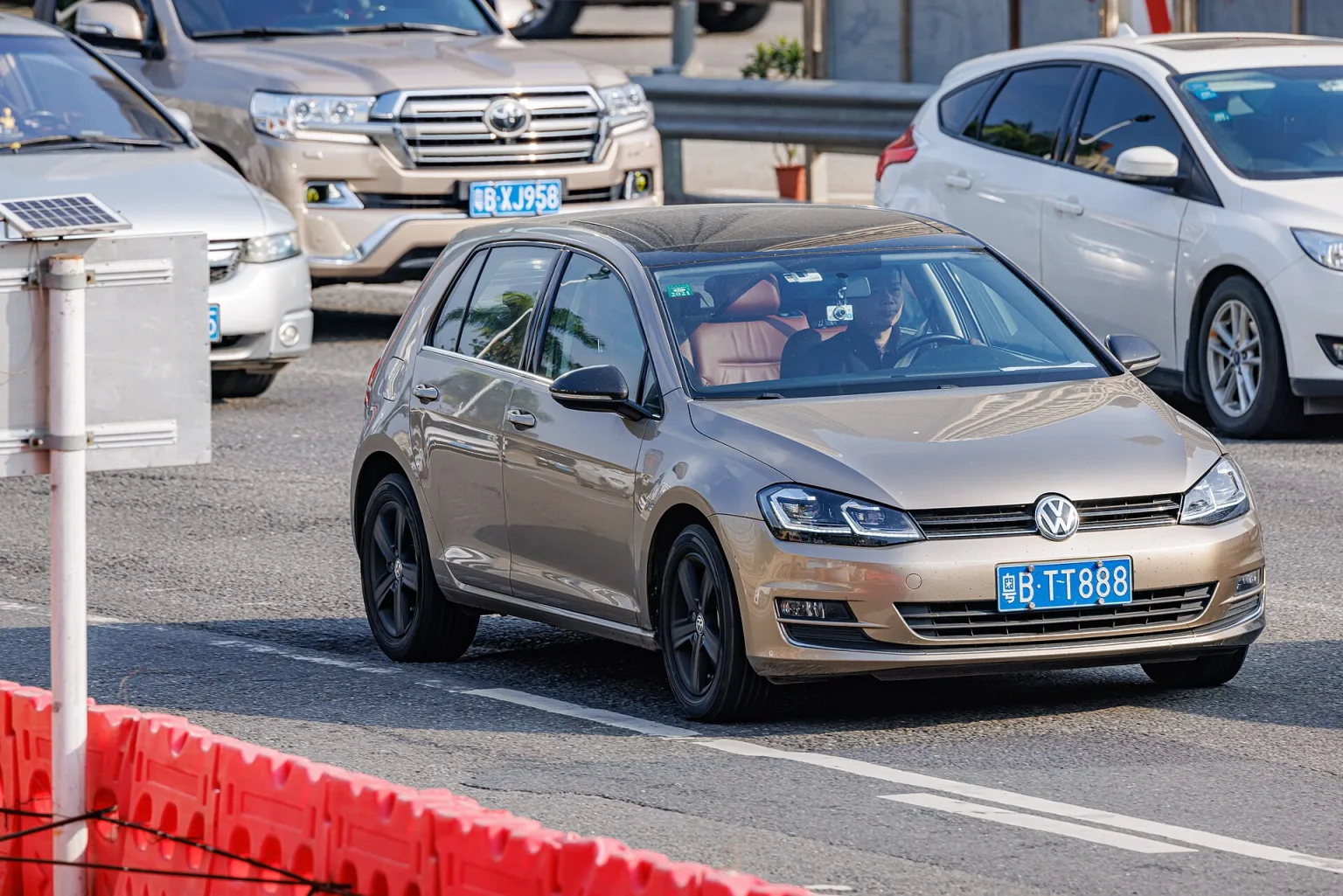
Volkswagen introduced the seventh-generation Golf, known as the Golf Mk7, at a dedicated event in Berlin in early September 2012. This unveiling came just weeks before its first public appearance at the Paris Motor Show. The Mk7 marks a significant step for Volkswagen, as it is the first Golf to be built on the company’s new MQB modular platform. This architecture is designed to be lighter and more flexible, benefitting not only the Golf but also future Volkswagen Group models.
2013 Volkswagen Golf 7: Unveiling and Platform
The MQB platform is a major development for Volkswagen. It underpins several models across the group, but its introduction to the Golf is particularly important due to the model’s popularity and influence. Volkswagen claims the new platform allows the Mk7 to be up to 100kg lighter than the previous Mk6, despite the car’s slightly larger dimensions. The body is longer and wider, while the roofline is marginally lower, contributing to improved aerodynamics and a more stable, planted stance on the road.
Design and Interior Enhancements
The exterior styling of the Golf Mk7 represents an evolutionary change rather than a complete redesign. The car retains the classic Golf silhouette that has become familiar over decades, but it features sharper creases, a wider grille, and slimmer headlamps for a more contemporary look. These updates help the Golf maintain its recognisable identity while appearing more modern and refined.
Inside, the Mk7 receives a comprehensive overhaul. Volkswagen has upgraded the materials throughout the cabin, aiming to provide a more premium feel. The centre console layout is new, and the infotainment options have been improved. A touchscreen interface is now standard for the infotainment system, and higher trim levels offer features such as driver fatigue detection and automatic parking assist. The longer wheelbase also means increased rear passenger space, enhancing comfort for those in the back seats.
Technical Innovations and Safety Features
Volkswagen’s focus for the Mk7 extends beyond aesthetics. The new MQB platform enables a range of petrol and diesel engines, each promising improved efficiency over previous generations. Although full engine specifications were not detailed at the Berlin reveal, Volkswagen highlighted the introduction of new safety technologies. These include a multi-collision brake system, designed to reduce the risk of further accidents after an initial impact, and an updated adaptive cruise control system. Such features underline Volkswagen’s commitment to safety and innovation in its core model.
Weight reduction is a key benefit of the MQB platform. The lighter structure not only helps to improve fuel efficiency but also enhances handling and driving dynamics. Boot space has increased to 380 litres, up from 350 litres in the Mk6, making the car more practical for everyday use. These improvements are complemented by the availability of advanced infotainment and driver assistance systems, which bring the Golf Mk7 in line with the latest expectations for technology in this segment.
Market Impact and Availability
The Golf remains Volkswagen’s best-selling model in Europe, and the introduction of the Mk7 is a significant moment for the brand. Production for European markets is scheduled to begin shortly after the Paris Motor Show debut. UK deliveries are expected to start in early 2013, with both three- and five-door variants available to buyers. The Golf Mk7’s platform will also serve as the basis for other Volkswagen Group models, including the next-generation Skoda Octavia and Audi A3, highlighting the importance of the MQB architecture across the group’s portfolio.
The evolutionary approach to design, combined with meaningful technical improvements, positions the Golf Mk7 as a strong contender in the compact car segment. Its blend of efficiency, practicality, and updated technology ensures it remains relevant in a competitive market. The increased boot and cabin space, along with new safety and infotainment features, are likely to appeal to both existing Golf owners and new customers alike.
Key Features at a Glance
- Lighter MQB modular platform
- Updated exterior styling with sharper lines and slimmer headlamps
- Higher-quality interior materials and new console layout
- Touchscreen infotainment system as standard
- New safety features: multi-collision brake, adaptive cruise control
- Boot space increased to 380 litres
- Improved rear passenger space
- Available in three- and five-door models
Conclusion
The 2013 Volkswagen Golf Mk7 represents a careful evolution of the brand’s core model. With its lighter, more flexible platform, updated design, and new technology, it is well positioned to continue the Golf’s success in Europe and beyond. Its debut at the Paris Motor Show and the subsequent production rollout mark an important step for Volkswagen as it adapts its most popular car to meet modern demands.