Honda FCEV Concept Makes Detroit Motor Show Debut
Honda's FCEV Concept, previewing the brand's next-generation fuel cell vehicle, took the stage at the 2014 Detroit Motor Show with a claimed 300-mile range and rapid refuelling.
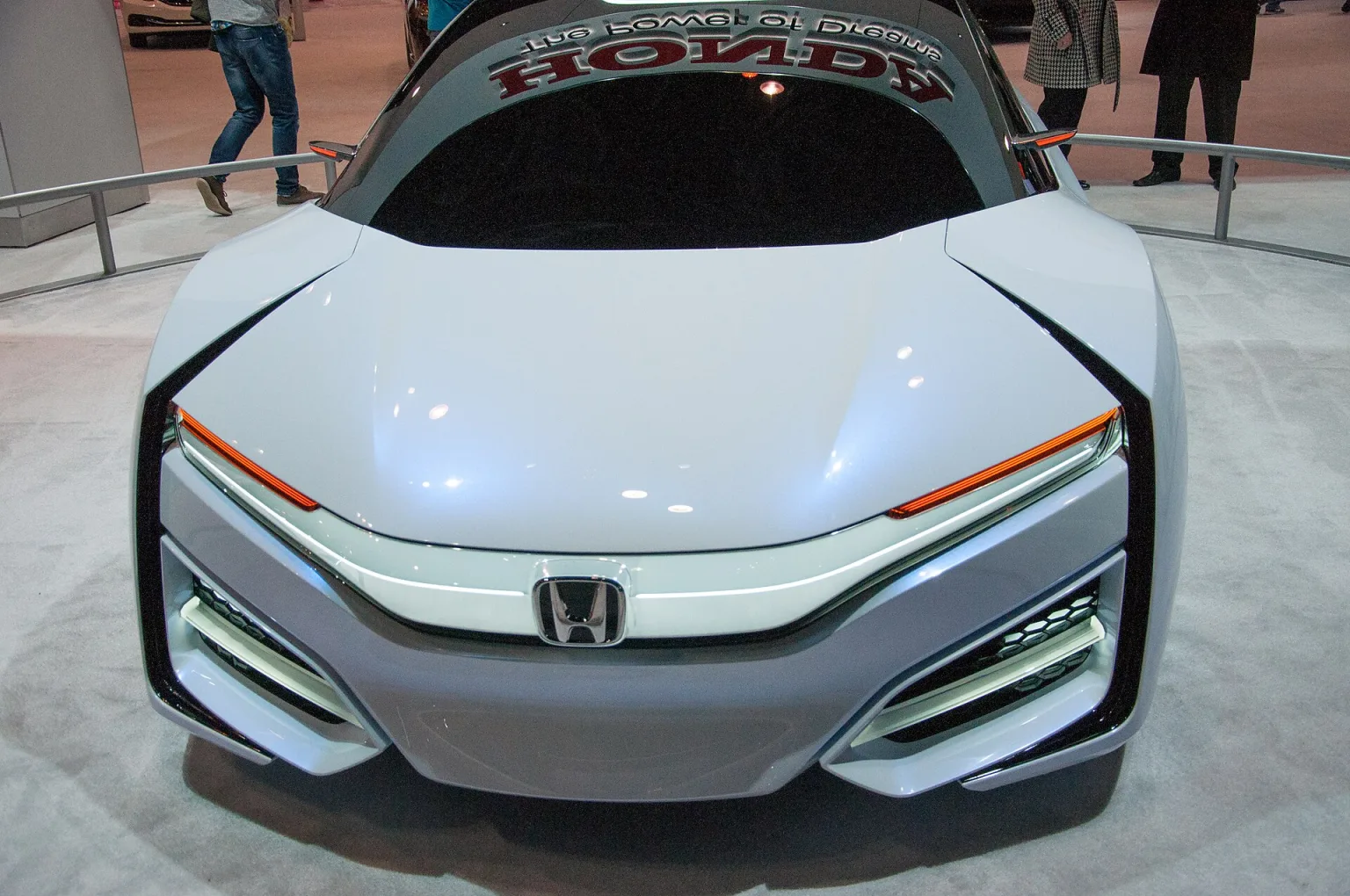
Honda presented its FCEV Concept at the 2014 Detroit Motor Show, marking the car's first appearance at the North American International Auto Show after its initial unveiling in Los Angeles late in 2013. The concept previews Honda's next-generation hydrogen fuel cell vehicle, expected to succeed the FCX Clarity.
Introduction and Debut
Design and Exterior Features
The FCEV Concept stands out with its highly aerodynamic profile, which is accentuated by a distinctive front grille, a floating roof design, and covered rear wheels. These design elements are intended to maximise efficiency and reduce drag, essential for fuel cell vehicles seeking to achieve longer range. Honda indicated that the styling of the FCEV Concept signals the direction of its forthcoming production fuel cell model, particularly in terms of packaging and efficiency improvements over previous generations.
- Aerodynamic bodywork for improved efficiency
- Protruding front grille for distinctive appearance
- Floating roof design
- Covered rear wheels to reduce drag
Technical Highlights and Packaging
A key technical achievement for the FCEV Concept is the packaging of the fuel cell stack entirely within the engine compartment. This is a notable development compared with earlier Honda fuel cell models, such as the FCX Clarity, where the fuel cell system was more intrusive into passenger and cargo space. According to Honda, the new fuel cell stack is 60 percent more power dense than the previous generation. This advancement allows for a more spacious cabin and provides greater flexibility for future platform development.
| Powertrain | Hydrogen fuel cell |
|---|---|
| Fuel cell stack location | Engine compartment |
| Power density improvement | 60% more than previous generation |
| Driving range (claimed) | Over 482 km (300 miles) |
| Refuelling time (claimed) | Approximately 3 minutes |
Honda has not released full technical specifications for the concept, but these headline figures underline the potential of hydrogen fuel cell technology for everyday use.
Range, Refuelling, and User Benefits
Hydrogen fuel cell vehicles like the FCEV Concept are designed to address some of the main challenges associated with electric vehicles, particularly range and refuelling time. The FCEV Concept's combination of a long driving range and rapid refuelling makes it a practical option for drivers who require flexibility and convenience. While battery electric vehicles have made significant progress, their charging times and range limitations remain a concern for some users, especially in markets where fast-charging infrastructure is limited. In contrast, hydrogen fuel cell vehicles can be refuelled in a matter of minutes, provided that hydrogen stations are available.
Positioning and Future Prospects
Honda describes the FCEV Concept as a preview of its next production fuel cell vehicle, which is expected to reach markets after the FCX Clarity. The concept's design and technical layout indicate Honda's intention to move fuel cell technology closer to mainstream adoption, at least in regions with developing hydrogen infrastructure. No production date or pricing details were announced at Detroit, and Honda has said further information will be revealed at future events as development continues.
- FCEV Concept previews Honda’s next fuel cell production car
- No production date or pricing announced yet
- Further details expected at future events
Hydrogen Technology at Detroit and Industry Context
With the FCEV Concept, Honda reaffirmed its commitment to hydrogen fuel cell technology, positioning it as a viable alternative to battery electric vehicles for long-range and rapid-refuelling applications. The company highlighted the technical progress made since the FCX Clarity, particularly in terms of power density and packaging. However, Honda acknowledged that broader adoption of hydrogen vehicles will depend on the expansion of hydrogen refuelling infrastructure. Currently, the limited number of hydrogen stations remains a barrier to widespread use, but manufacturers and governments in some regions are working to address this challenge.
The 2014 Detroit Motor Show showcased not only the Honda FCEV Concept but also a broader trend among manufacturers to invest in alternative fuel technologies. As environmental regulations become stricter and consumer interest in sustainable mobility grows, hydrogen fuel cell vehicles are likely to remain an important area of research and development. The FCEV Concept serves as a demonstration of Honda's technical capabilities and its vision for the future of clean mobility.