2014 Range Rover prototype caught testing in China
Land Rover’s heavily camouflaged next-generation Range Rover has been spotted on public roads in China ahead of its expected debut, signalling the brand’s continued push into the Chinese luxury SUV market.
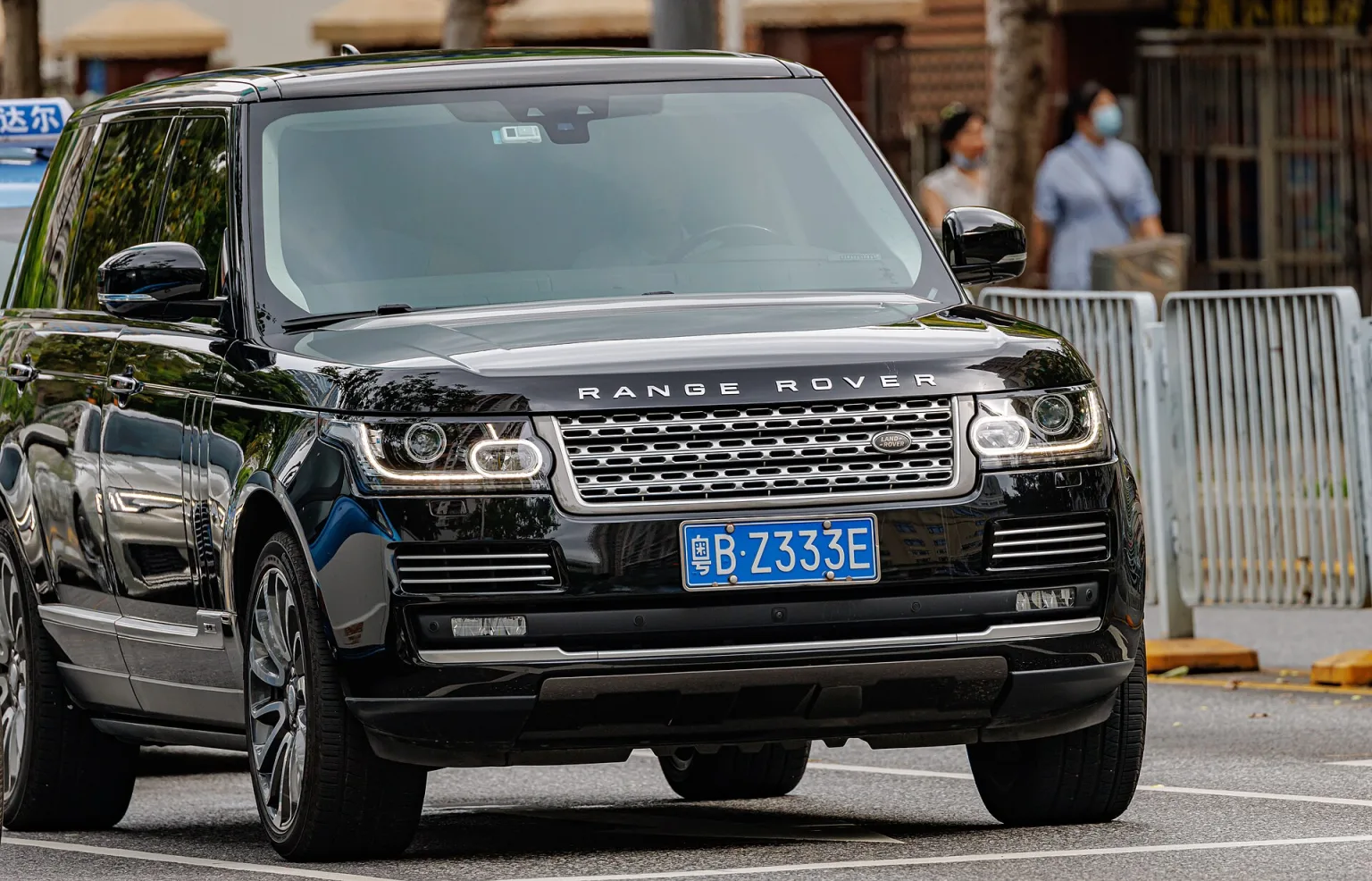
Land Rover’s next-generation Range Rover has been seen undergoing road testing in China, with images showing the SUV heavily camouflaged as it prepares for its global debut. The new model, expected to carry the 2014 model year badge, is a crucial part of the British brand’s strategy to expand its presence in the Chinese luxury SUV market.
2014 Range Rover Spotted Testing in China
Camouflaged Prototype Hints at Major Changes
Photographs published by Chinese automotive media, including chinacartimes.com, reveal the development prototype in full disguise. Despite the camouflage, the test vehicle’s proportions and stance make it clear that Land Rover is retaining the upright Range Rover silhouette, a hallmark of the model’s design. The extensive cladding suggests that significant updates are being made to both the exterior styling and the underlying technology, but the details remain hidden until the official reveal.
The decision to test the Range Rover on public roads in China highlights the importance of this market for Land Rover. China has quickly become one of the world’s largest consumers of luxury vehicles, and competition in the premium SUV sector is intense. German brands such as BMW, Mercedes-Benz, and Audi have established strong footholds, prompting Land Rover to ensure its flagship SUV meets the expectations of Chinese buyers.
Lightweight Aluminium Platform
One of the most significant changes expected for the fourth-generation Range Rover is the adoption of a lightweight aluminium platform. Developed with technology similar to that used by Jaguar for the XJ, this new structure could reduce the SUV’s kerb weight by as much as 400kg compared to the outgoing model. This weight savings is likely to improve fuel efficiency and performance, and also reflects the increasing demand for more environmentally friendly luxury vehicles in China and other global markets.
Reducing the weight of a large SUV like the Range Rover is a technical challenge, but it brings clear benefits. Improved efficiency means lower running costs and reduced emissions, both of which are important factors for buyers facing stricter regulations and rising fuel prices. The new platform is also expected to enhance ride comfort and handling, keeping the Range Rover competitive with its rivals.
Potential Hybrid Powertrain
Alongside the new platform, there are strong rumours that Land Rover will introduce a hybrid version of the 2014 Range Rover. This model is expected to combine a V6 petrol engine with an electric motor, helping to reduce CO2 emissions to around 150g/km. Such a figure would be a significant achievement for a luxury SUV of this size and would help the Range Rover stand out in a market where environmental concerns are increasingly important.
The hybrid system would not only help Land Rover meet stricter emissions standards in China and Europe but would also appeal to buyers looking for a more efficient and modern alternative to traditional petrol or diesel engines. While full details of the hybrid system have not yet been confirmed, the move shows Land Rover’s commitment to innovation and sustainability in its flagship model.
Pricing and Market Position
Pricing for the new Range Rover is expected to start at around £65,000 in the UK, with higher trim levels and options pushing the price up to £120,000. These figures place the Range Rover firmly in the premium segment, competing directly with high-end models from rival brands. For the Chinese market, where import duties and taxes can significantly increase the final retail price, the Range Rover’s exclusivity will likely be a key selling point.
Land Rover’s focus on the Chinese market is strategic, as the country’s appetite for luxury vehicles continues to grow. The brand’s reputation for off-road capability and prestige could help it attract buyers seeking both status and practicality. However, success will depend on how well the new model balances traditional Range Rover strengths with the expectations of a new generation of buyers.
What to Expect Next
With the 2014 Range Rover still under wraps, more details are expected to emerge closer to its official launch. The combination of a lighter platform, potential hybrid powertrain, and focus on the Chinese market signals a major evolution for Land Rover’s flagship. As the SUV segment grows increasingly competitive, the new Range Rover will need to deliver not just on luxury and performance, but also on efficiency and innovation.
Further updates and official specifications are likely to be announced in the coming months as Land Rover prepares for the global debut of its next-generation SUV. For now, the heavily camouflaged prototypes seen in China offer a glimpse of the changes to come, as the brand positions itself for continued success in one of the world’s most important automotive markets.