Ford to Unveil 2015 Everest SUV in Mid-November
Ford will reveal the production version of its 2015 Everest SUV on 14 November, promising a Ranger-based platform, diesel engines and new tech features.
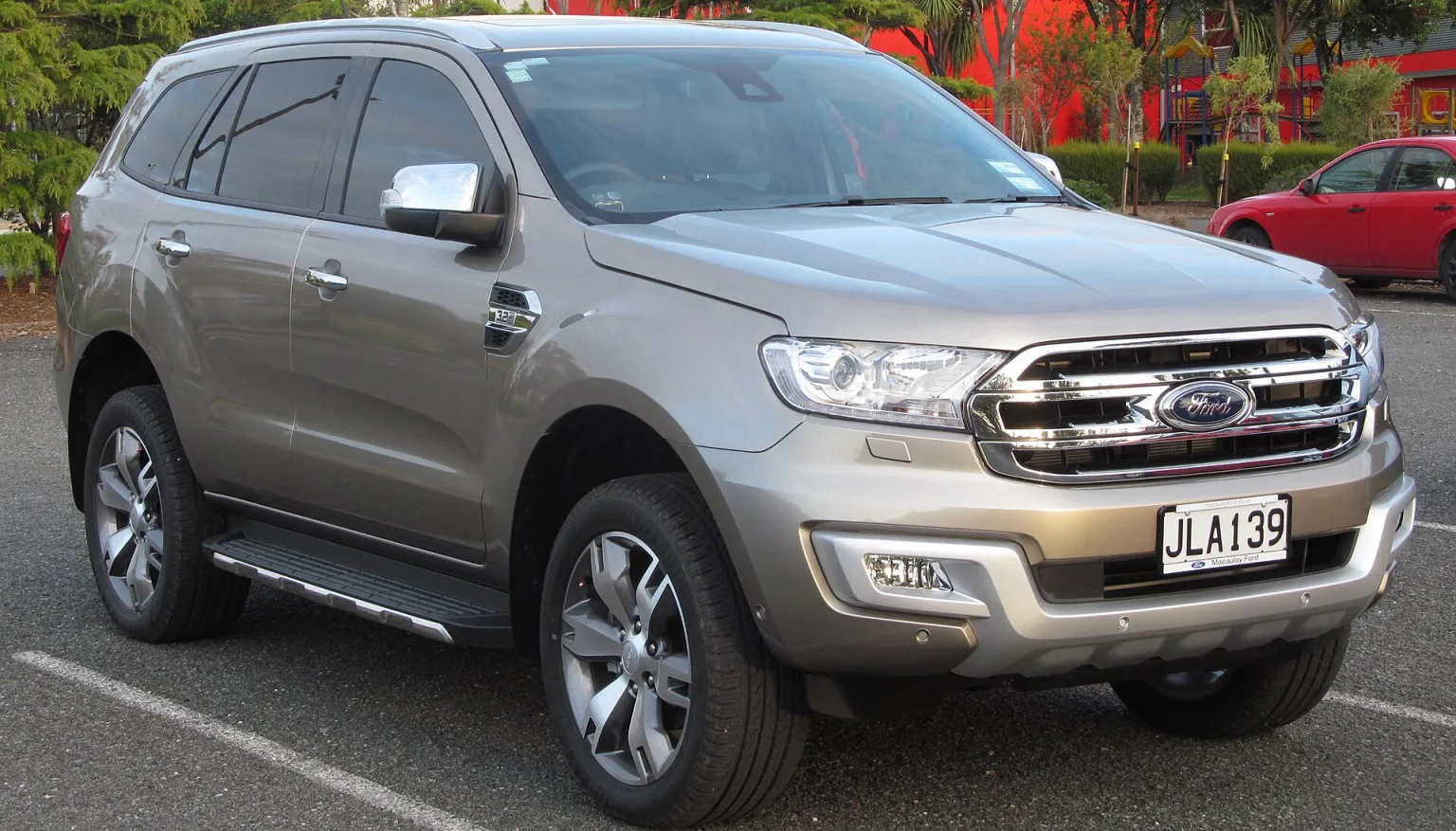
Ford is preparing to unveil the 2015 Everest SUV on 14 November, with the official reveal expected to provide further technical details and a look at the final production design. The Everest, previewed previously by a concept model, is built on the same platform as the Ford Ranger pickup, targeting buyers in regions where robust, body-on-frame SUVs are still in demand.
Ranger Platform and Suspension Upgrades
The chassis of the new Everest is closely related to that of the Ford Ranger, but the SUV distinguishes itself by adopting a Watts link coil spring rear suspension system in place of the Ranger’s leaf springs. This change is designed to improve ride comfort and handling, making the Everest more suitable for families and daily use while maintaining the ruggedness expected from a body-on-frame vehicle. The body-on-frame construction should help the Everest retain strong capabilities for off-roading and towing, which are important features for buyers in its target markets.
Engine Line-up and Drivetrain Options
Ford is expected to equip the Everest with a choice of two TDCi diesel engines. The 2.2-litre four-cylinder engine, already available in the Ranger, produces around 150hp (110kW). The larger 3.2-litre five-cylinder engine, which is expected to be offered exclusively with the four-wheel drive version of the Everest, delivers approximately 200hp (147kW). Both engines are likely to be offered with manual and automatic transmission options, although final details on gearboxes will be confirmed at the launch event.
The Everest’s engine line-up is tailored to provide a balance between efficiency and performance, with the smaller 2.2-litre engine likely aimed at buyers seeking lower running costs, while the 3.2-litre unit targets those who need additional power for towing or off-road driving. This approach reflects Ford’s strategy to offer a versatile SUV that can serve both as a family car and as a capable utility vehicle.
Interior Features and Technology
Inside, the Everest is expected to draw inspiration from the latest Ford F-150, focusing on comfort and modern connectivity. The cabin is tipped to feature an 8-inch touchscreen running Ford’s SYNC 2 infotainment system, which includes navigation, media, and voice control. The interior layout and materials are likely to be upgraded compared to the Ranger, appealing to buyers who want the practicality of an SUV with a more refined feel.
The SYNC 2 system is designed to provide a user-friendly interface, allowing drivers and passengers to control entertainment, navigation, and climate settings with ease. This focus on technology and comfort highlights Ford’s aim to compete with other modern SUVs in the segment, many of which now offer advanced infotainment and driver assistance features.
Market Position and Launch Timing
The 2015 Everest is intended primarily for Asia-Pacific and other regions where ladder-frame SUVs remain popular, rather than for North American or European markets. Its November unveiling will mark one of Ford’s final major launches of 2014, following a year that saw the company introduce several new models and update its technology offerings across the range.
The Everest’s positioning reflects Ford’s recognition of the continued demand for rugged, versatile SUVs in markets such as Australia, Southeast Asia, and parts of Africa. In these regions, vehicles with strong off-road capabilities and high towing capacity are valued by both private buyers and commercial operators.
Production and Sales Plans
Production and sales plans for the new Everest are expected to be detailed at the official reveal. The model is likely to be manufactured in facilities that also produce the Ranger, leveraging shared components and assembly processes to keep costs competitive. Ford’s investment in the Everest reflects a broader strategy to expand its presence in the SUV market, particularly in regions where demand for this type of vehicle remains strong.
Buyers and industry observers will be watching the November launch for confirmation of pricing, equipment levels, and market availability. The Everest’s combination of proven underpinnings, updated suspension, and modern technology could make it a strong contender in the segment, especially for those seeking a capable and comfortable family SUV.