Ford details 2015 Transit with multiple body styles and engine options
The 2015 Ford Transit arrives this summer with a choice of body configurations, three roof heights, and petrol or diesel engines, targeting commercial buyers seeking flexibility.
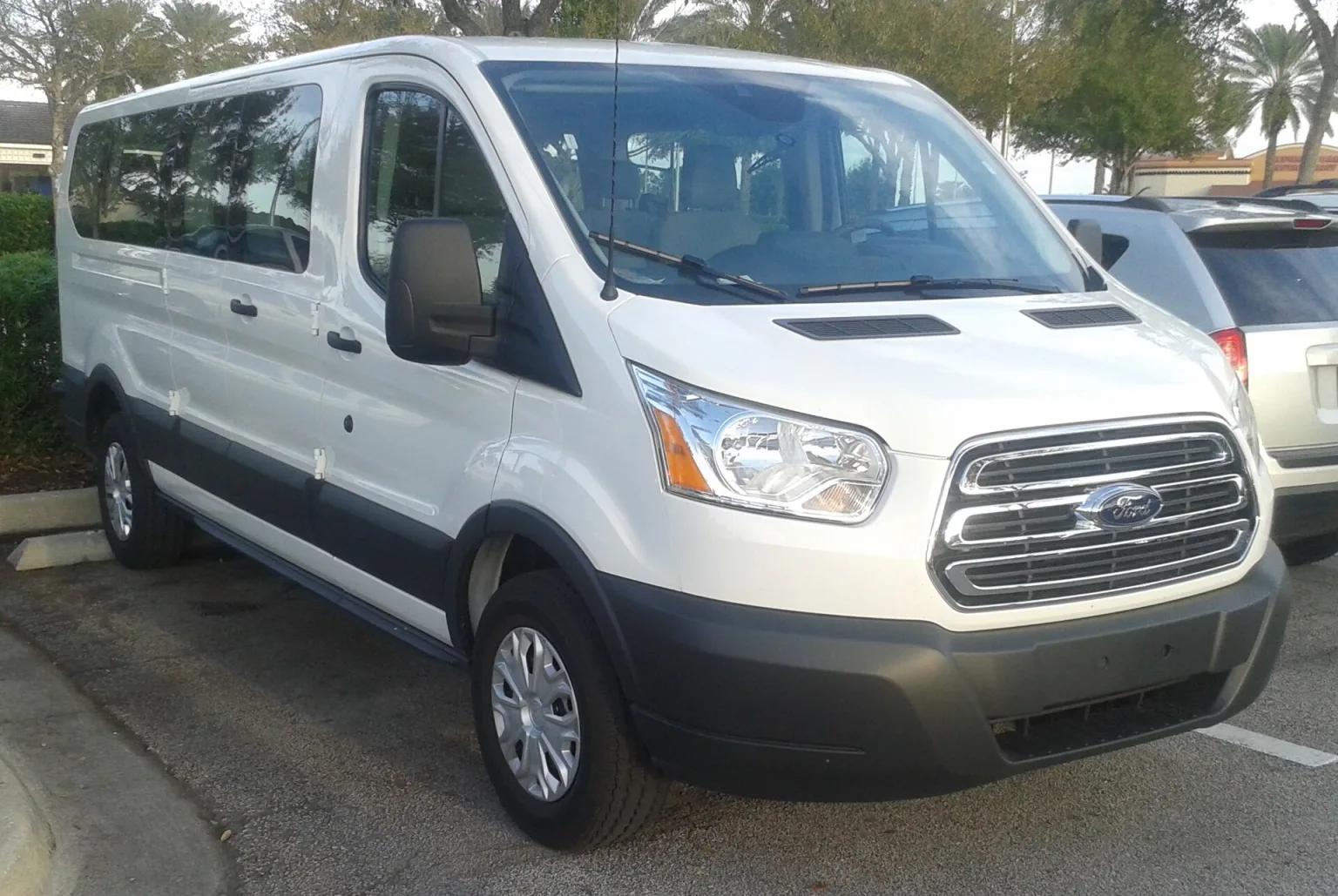
Ford has confirmed full details for the 2015 Transit, which goes on sale in summer 2014 with a broad choice of body styles, lengths, roof heights and engines aimed at the commercial vehicle market. The new model is positioned to replace the outgoing E-Series in North America and expand Ford’s presence in the large van segment. The Transit has already been a mainstay in Europe, but this generation brings a more global approach, reflecting Ford’s strategy to unify its commercial vehicle line-up worldwide.
Overview of the 2015 Ford Transit
Body Styles and Configurations
Transit buyers can specify the van, wagon, cutaway or chassis cab, catering for everything from cargo transport to passenger shuttles and specialist conversions. Ford is offering three body lengths and three roof heights, as well as two wheelbase options for the van and wagon, allowing operators to tailor the vehicle to their requirements. The flexibility is intended to attract a wide range of customers, from delivery fleets to minibus operators and those needing bespoke conversions for their businesses.
- Van: traditional panel van for cargo
- Wagon: passenger version for up to 15 occupants
- Cutaway: for specialist conversions such as motorhomes or box vans
- Chassis cab: for bespoke bodies and custom commercial applications
The multiple configurations mean the Transit can serve as anything from a delivery van to a mobile workshop or people mover. This adaptability is a key selling point for commercial operators who require a vehicle tailored to their specific needs. The Transit’s interior can be fitted out for a variety of uses, and the range of sizes ensures that it can handle both urban deliveries and longer-distance transport tasks.
Engine Line-up and Performance
The 2015 Transit is available with three engines. The standard petrol unit is a 3.7-litre V6 producing 275 hp and 352 Nm of torque. For those needing more torque or efficiency, Ford offers the 3.5-litre EcoBoost V6, rated at 310 hp and 542 Nm. The diesel option is a 3.2-litre Power Stroke five-cylinder, delivering 185 hp and 474 Nm. All engines are paired with a six-speed automatic transmission, providing a balance between performance and fuel economy for different use cases.
| Engine | Power (hp) | Torque (Nm) |
|---|---|---|
| 3.7-litre V6 petrol | 275 | 352 |
| 3.5-litre EcoBoost V6 petrol | 310 | 542 |
| 3.2-litre Power Stroke diesel | 185 | 474 |
The engine range is designed to offer choices for operators prioritising power, efficiency, or running costs. The EcoBoost V6, for example, is aimed at those seeking strong performance with improved fuel economy, while the diesel is likely to appeal to high-mileage users or those regularly carrying heavier loads. The six-speed automatic transmission is standard across the range, simplifying the line-up and making it easier for fleet buyers to manage maintenance and training.
Payload, Towing and Practicality
Maximum payload for the 2015 Transit is 2,109 kg, while towing capacity peaks at 3,402 kg depending on configuration. These figures put the Transit in direct competition with established large vans in North America and Europe. The high payload and towing ratings make the Transit suitable for a variety of demanding commercial applications, from construction to logistics and passenger transport. The range of sizes and capacities allows buyers to select a model that matches their operational requirements, whether that means maximising cargo space or balancing payload with fuel efficiency.
Market Position and Availability
The new Transit is a key product for Ford’s commercial vehicle strategy, consolidating lessons from both US and European markets. Its wide range of configurations is designed to appeal to fleet buyers and small businesses alike. The 2015 model will be built in North America and will reach showrooms in summer 2014. By replacing the ageing E-Series, the Transit is expected to modernise Ford’s commercial offering and attract new customers who may have previously chosen rival vans from other manufacturers.
For buyers interested in more specialised concepts, Ford recently showed the Transit Skyliner Concept at the New York Auto Show, highlighting the platform’s versatility. This concept vehicle demonstrated how the Transit can be adapted for luxury transport, further emphasising the model’s flexibility for a wide range of commercial and bespoke uses.
Summary
With its broad range of body styles, lengths, roof heights, and engines, the 2015 Ford Transit is positioned as a highly adaptable solution for commercial vehicle buyers. The model’s arrival in North America marks a significant step for Ford, aiming to build on its European success and compete strongly in the large van segment. The combination of payload, towing capability, and configuration options ensures the Transit will be considered by a wide variety of businesses and fleet operators looking for a modern, flexible commercial vehicle.