Tesla Model S P85D Stuns Geneva with 691bhp and Dual Motor
Tesla's flagship Model S P85D made its European show debut at Geneva in 2015, showcasing 691bhp, all-wheel drive and enhanced range for the luxury EV.
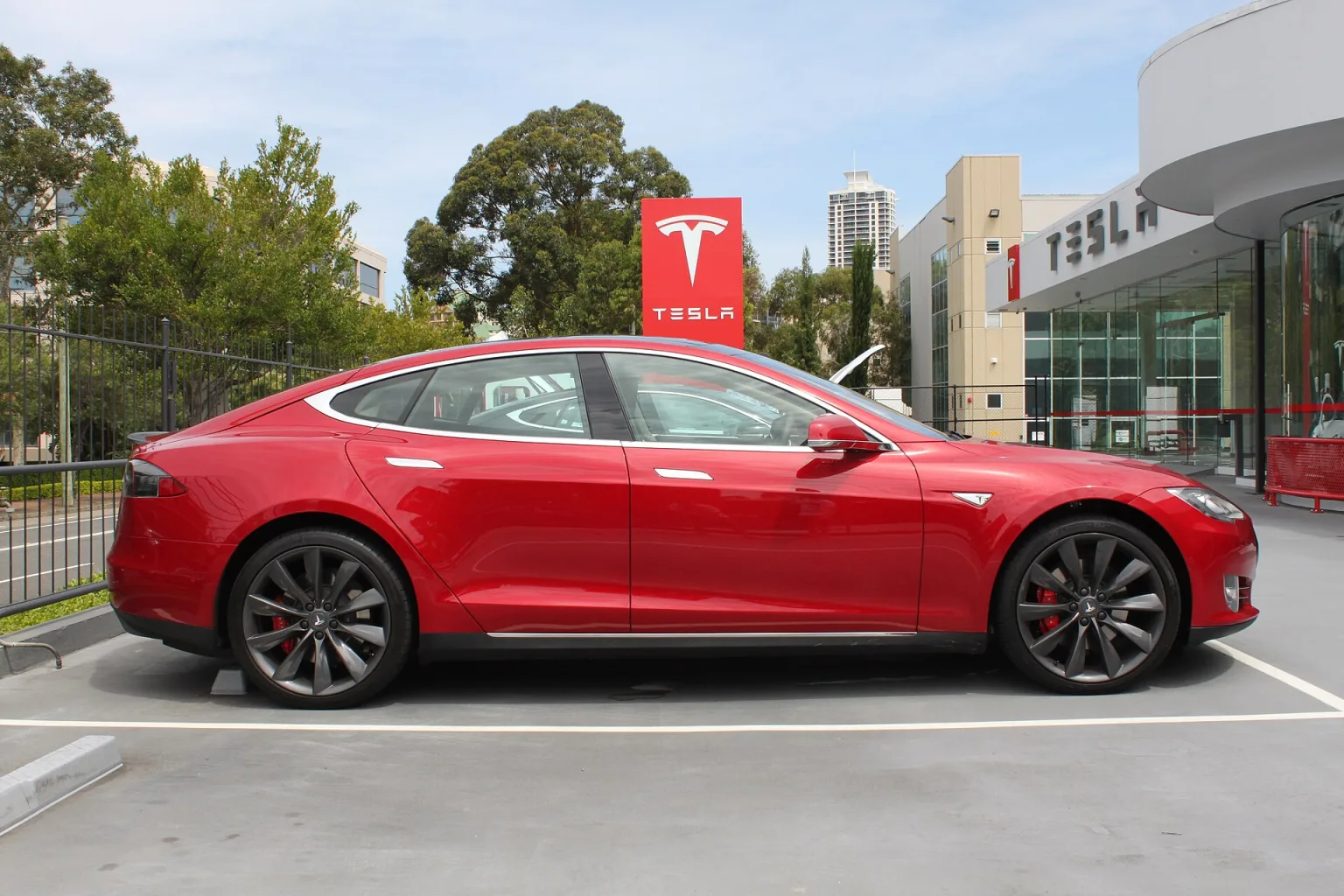
Tesla Motors brought the Model S P85D to the 2015 Geneva Motor Show, marking the European show debut of its dual-motor, all-wheel drive flagship. The P85D arrived with headline figures: 691bhp, 687lb ft of torque and a 0–60mph time of just 3.2 seconds, placing it firmly in super-saloon territory.
Tesla Model S P85D at the 2015 Geneva Motor Show
Performance and Powertrain
The Model S P85D features a dual-motor all-wheel drive system. Its combined output is 691bhp (515kW) and 687lb ft (930Nm) of torque. This allows the car to accelerate from 0–60mph in just 3.2 seconds and reach a top speed of 155mph (250km/h). The P85D’s performance leap comes from its two electric motors: a 470bhp unit at the rear and a 221bhp motor up front. This dual-motor layout delivers all-wheel drive, improving traction and acceleration compared to the rear-drive P85. Tesla claims a top speed of 155mph, up from the standard car’s 130mph.
Despite the extra power and weight, up 132kg to 2,239kg, the P85D’s range improved slightly over the previous P85. Tesla quoted 275 miles (443km) on the NEDC cycle for the European model, 16km more than before. The battery pack remains unchanged, but the new powertrain’s efficiency gains offset the additional mass. The weight increase was balanced with a 50:50 weight distribution, aiming to preserve handling balance. The car’s structure accommodates the extra motor without sacrificing interior space or luggage capacity.
Technical Changes and Features
The addition of the front motor and all-wheel drive system required reworking both the drivetrain and chassis. Tesla designed the P85D to ensure that the increased weight from the extra motor did not compromise practicality or comfort. The 50:50 weight distribution was a particular focus, helping the car maintain its reputation for sharp handling and stability. The Model S’s battery pack is mounted low in the chassis, contributing to a low centre of gravity and further enhancing driving dynamics.
Tesla also highlighted the P85D’s optional semi-autonomous driving system at Geneva. The package includes forward-facing cameras, a 360-degree sonar array and software that enables adaptive cruise and lane-keeping. The system can bring the car to a stop in traffic, foreshadowing Tesla’s later push into Autopilot features. These technologies were early steps towards more advanced driver assistance, reflecting Tesla’s focus on innovation beyond just electric propulsion.
Position in the Luxury EV Market
With the P85D, Tesla aimed to challenge established luxury saloons for outright performance while maintaining zero-emissions credentials. At the time, few rivals offered similar acceleration or range in a battery-electric vehicle. The Model S’s blend of pace, practicality and technology set a benchmark for electric saloons at the show. The Model S P85D’s 0–60mph time of 3.2 seconds matched or beat many contemporary supercars in 2015.
Tesla’s presence at the Geneva Motor Show signalled its intent to grow sales in the region and reinforce its image as a technology leader among premium manufacturers. The P85D’s arrival in Europe gave potential buyers a direct look at a high-performance electric alternative to petrol-powered luxury cars. The increased range, improved traction, and rapid acceleration made the P85D a compelling option for those seeking both environmental responsibility and driving excitement.
Impact and Reception at Geneva
The Geneva debut brought the P85D to a European audience seeking high-performance alternatives to traditional luxury models. Attendees at the show were able to see firsthand how Tesla’s engineering advancements translated into real-world benefits. The Model S P85D stood out not only for its acceleration and range but also for its advanced driver assistance features, which were still rare in electric vehicles at the time.
The P85D’s unveiling contributed to growing interest in electric vehicles among luxury car buyers. It demonstrated that electric cars could offer both environmental benefits and thrilling performance, challenging perceptions and encouraging other manufacturers to accelerate their own electric projects. Tesla’s approach at Geneva helped push the conversation about the future of mobility towards electrification and autonomy.
Further Reading
- Corvette Z06 European debut
- Radical RXC Turbo 500 launch