Jaguar unveils 2015 XE as aluminium saloon takes aim at German rivals
Jaguar has revealed the 2015 XE, its all-new aluminium saloon, set to challenge the BMW 3 Series and Mercedes C-Class with new engines and lightweight construction.
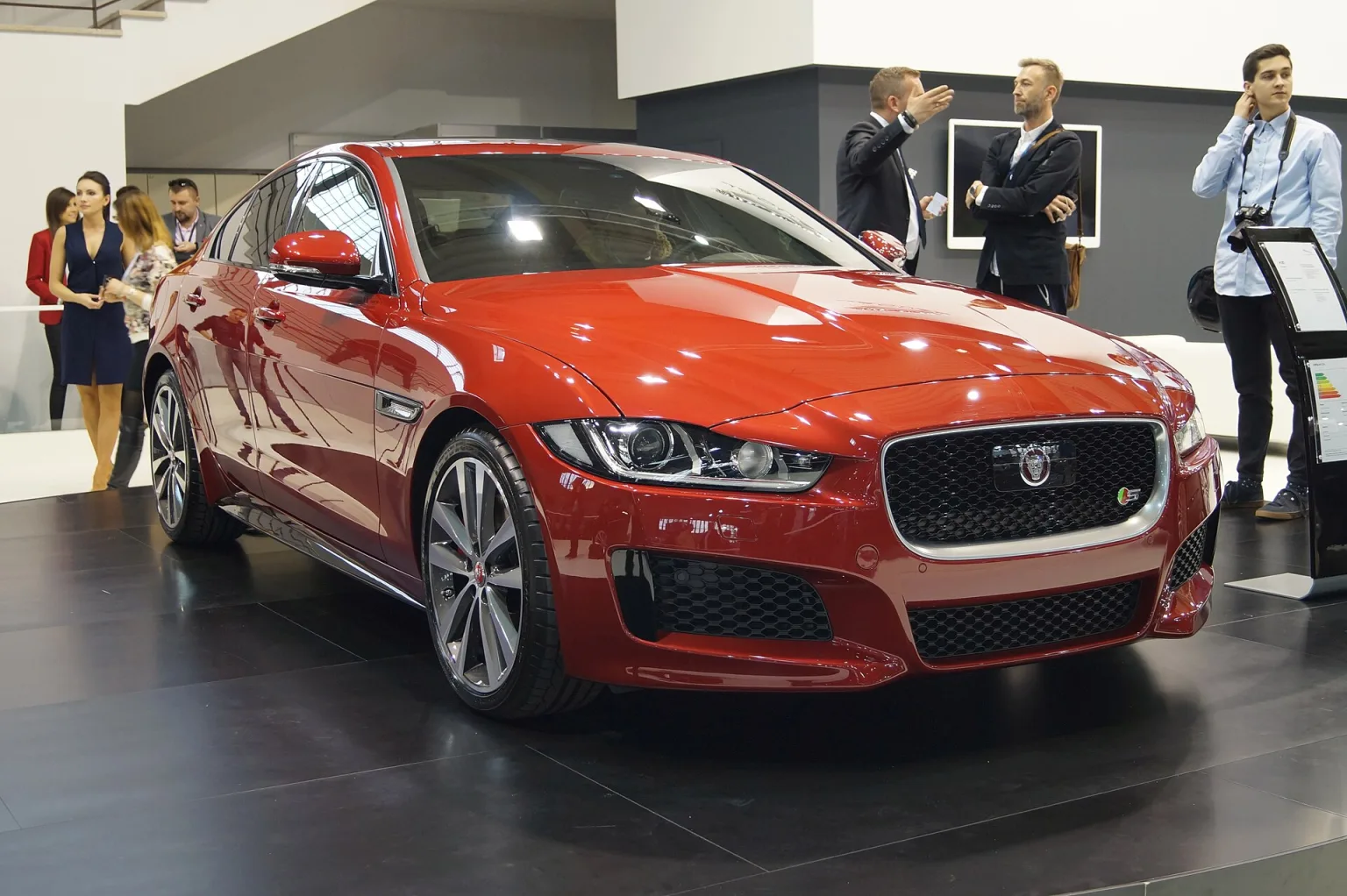
Jaguar has pulled the covers off the 2015 XE, marking its return to the premium mid-size saloon segment with a car built on an all-new aluminium architecture. The XE is set to enter one of the most competitive areas of the market, targeting established rivals such as the BMW 3 Series, Mercedes-Benz C-Class and Audi A4 when it arrives in showrooms next year.
The XE is the first Jaguar to use the company’s new rear-wheel-drive aluminium platform, known internally as iQ[Al]. This lightweight structure underpins the XE’s claim as the lightest and most aerodynamic Jaguar saloon to date, with a kerbweight from 1,474kg and a drag coefficient that sets a new benchmark for the brand. Jaguar expects the new architecture to deliver improved driving dynamics and efficiency compared to previous models.
Production of the XE follows an investment of more than £2.5 billion, resulting in two new UK plants and the creation of 2,300 jobs. The model is critical to Jaguar Land Rover’s ambition to grow its global sales, with the XE positioned as the most affordable Jaguar in the range.
Engine range and performance
At launch, the XE S headlines the range with a 3.0-litre supercharged V6 engine, producing 340hp and 450Nm of torque. Paired with an eight-speed automatic gearbox, the XE S accelerates from 0 to 100km/h in 4.9 seconds and is electronically limited to 250km/h. This engine is a new addition to the XE and is no longer sourced from Ford, reflecting Jaguar’s move to in-house powertrains.
Other versions of the XE will use a new family of all-aluminium Ingenium four- and six-cylinder petrol and diesel engines. While full details are still to be confirmed, Jaguar claims these units are up to 80kg lighter than previous engines and feature new technology to reduce friction and emissions. The most efficient diesel is expected to deliver class-leading CO2 figures, though no specific numbers were released at launch.
| Engine | 3.0-litre V6 supercharged petrol |
|---|---|
| Power | 340hp (250kW) @ 6,500rpm |
| Torque | 450Nm @ 4,500rpm |
| Transmission | 8-speed automatic |
| 0-100km/h | 4.9 seconds |
| Top speed | 250km/h (electronically limited) |
| Kerbweight | From 1,474kg |
| Length | 4,672mm |
| Width (excl. mirrors) | 1,850mm |
| Height | 1,416mm |
| Wheelbase | 2,835mm |
Interior and technology
Inside, the XE aims to match its German rivals for quality and equipment. Jaguar has introduced its new InControl infotainment system, which supports both iOS and Android smartphones. Owners can remotely lock or unlock the car, start the engine, and pre-set climate control schedules. Materials and finish are positioned to appeal to buyers seeking a premium experience in a compact saloon.
Production and sales plans
Jaguar plans to launch the XE in Europe in 2015, with US deliveries to follow a year later. The company is targeting new customers, including younger buyers and women, but is not aiming to outsell the German brands in volume. The XE is expected to be joined by estate and crossover variants in future, broadening the range further.
The XE will make its public debut at the Paris Motor Show, where it will be shown alongside other new models from rival brands. For more on how the XE stacks up against the latest competition, see our coverage of the 2015 Mercedes-Benz CLS unveiling.