Audi unveils lighter, tech-laden 2016 Q7 at Detroit show
Audi’s second-generation Q7 breaks cover at the 2015 Detroit Auto Show, introducing a lighter chassis, new engines and a plug-in hybrid e-tron variant.
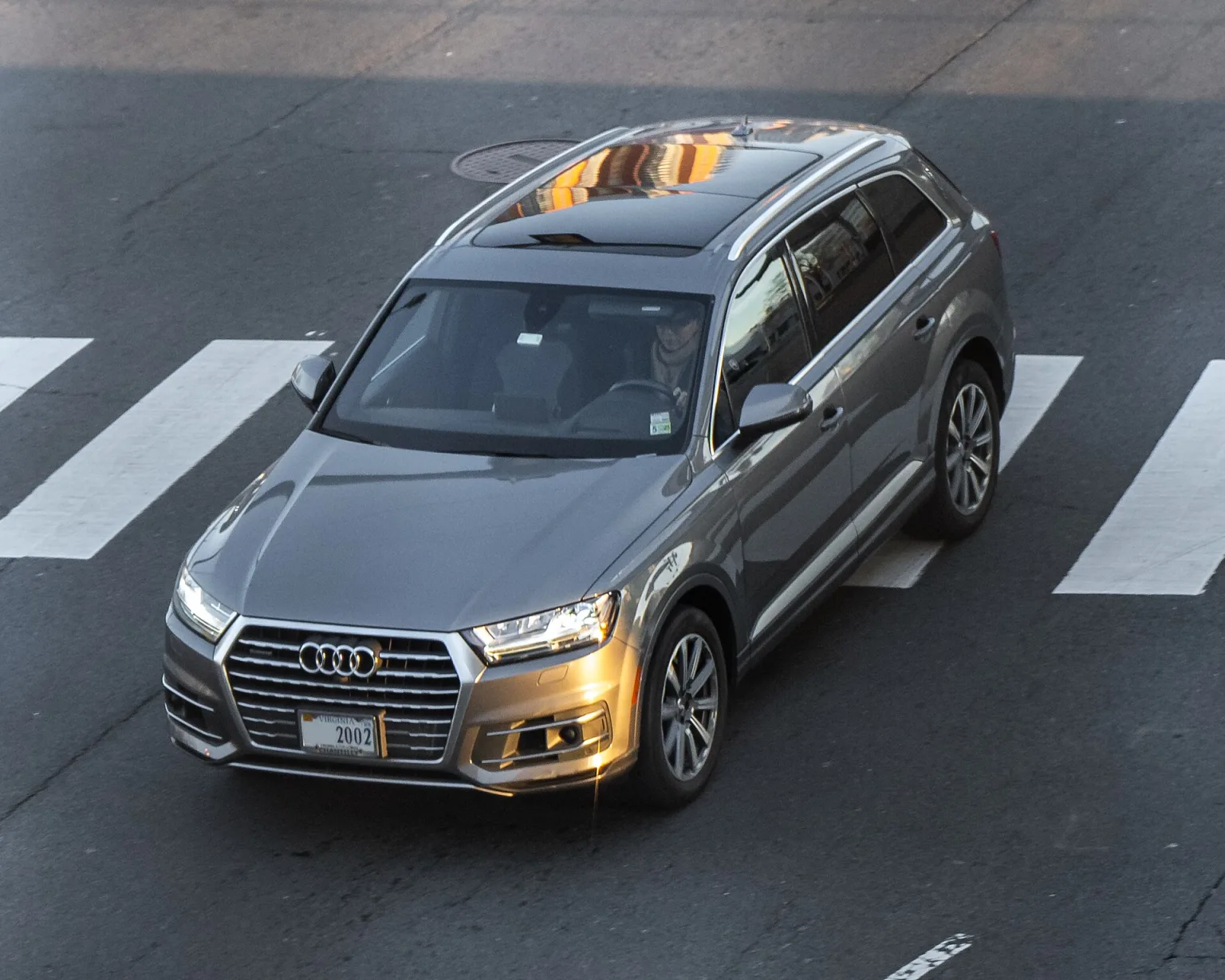
Audi pulled the covers off the second-generation Q7 at the 2015 North American International Auto Show in Detroit, revealing a lighter, more advanced flagship SUV that expands its engine range and introduces a plug-in hybrid e-tron model.
Weight reduction and new platform
Audi claims the new Q7 is up to 325kg lighter than its predecessor, thanks to extensive use of aluminium and high-strength steel in its construction. This weight saving is designed to improve handling, efficiency and emissions across the range. The Q7 remains a large seven-seat SUV, but the new platform brings sharper proportions and a lower centre of gravity.
Engine range and plug-in hybrid e-tron
Petrol options start with a 2.0-litre TFSI producing 252hp and 370Nm, joined by a 3.0-litre TFSI rated at 333hp and 440Nm. Diesel buyers get two 3.0-litre TDI choices, offering 218hp/500Nm and 272hp/600Nm respectively. All engines are paired with an eight-speed tiptronic automatic transmission and quattro all-wheel drive as standard.
The Q7 e-tron quattro, Audi’s first plug-in hybrid SUV, combines a 3.0-litre TDI diesel engine with an electric motor for a total output of 373hp and 700Nm. Audi claims 0-100km/h in 6.0 seconds and a top speed of 225km/h. Official figures put combined fuel consumption at 1.7L/100km, with electric-only running possible for short distances.
Interior and technology upgrades
The cabin has been redesigned with a focus on higher quality materials and new technology. Buyers can specify wood or aluminium trim, and seat upholstery ranges from fabric to Alcantara, Cricket leather or Valcona leather. The upgraded MMI infotainment system features a new interface, and high-end options include a 3D Bang & Olufsen audio system and rear-seat 10.1-inch tablets. Climate control now uses a separate TFT display for rear passengers.
Design evolution and market context
Although the exterior is recognisably Q7, Audi has introduced a more angular single-frame grille, new headlamp options (xenon, LED and Matrix LED), a raked D-pillar and a revised rear end. The changes are evolutionary rather than radical, keeping the Q7’s identity while modernising its appearance.