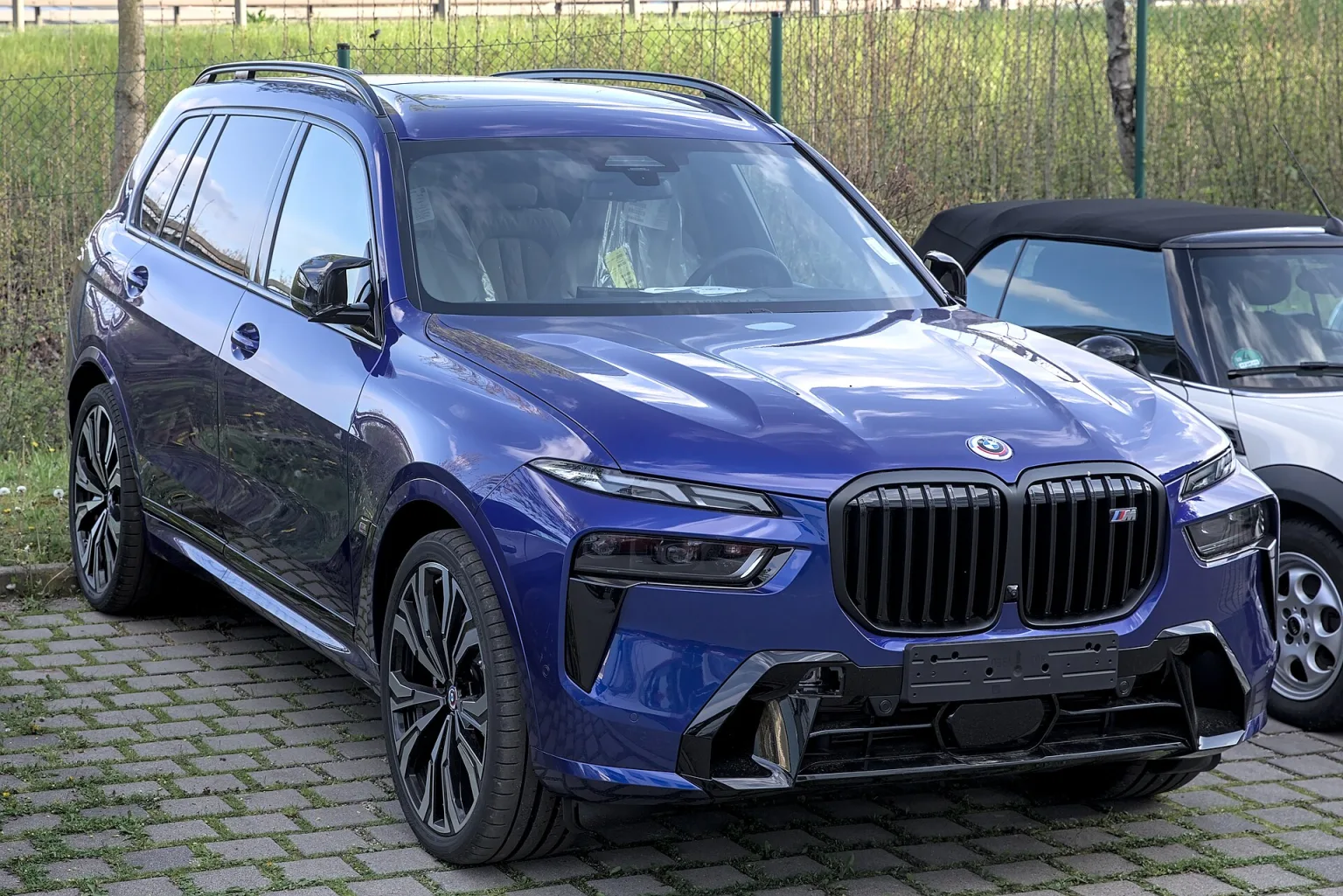
2016 BMW 7 Series Spied Testing With Lighter Platform
BMW's next-generation 7 Series saloon has been spotted on the road again, revealing development progress on its lightweight architecture and updated technology ahead of its 2015 debut.
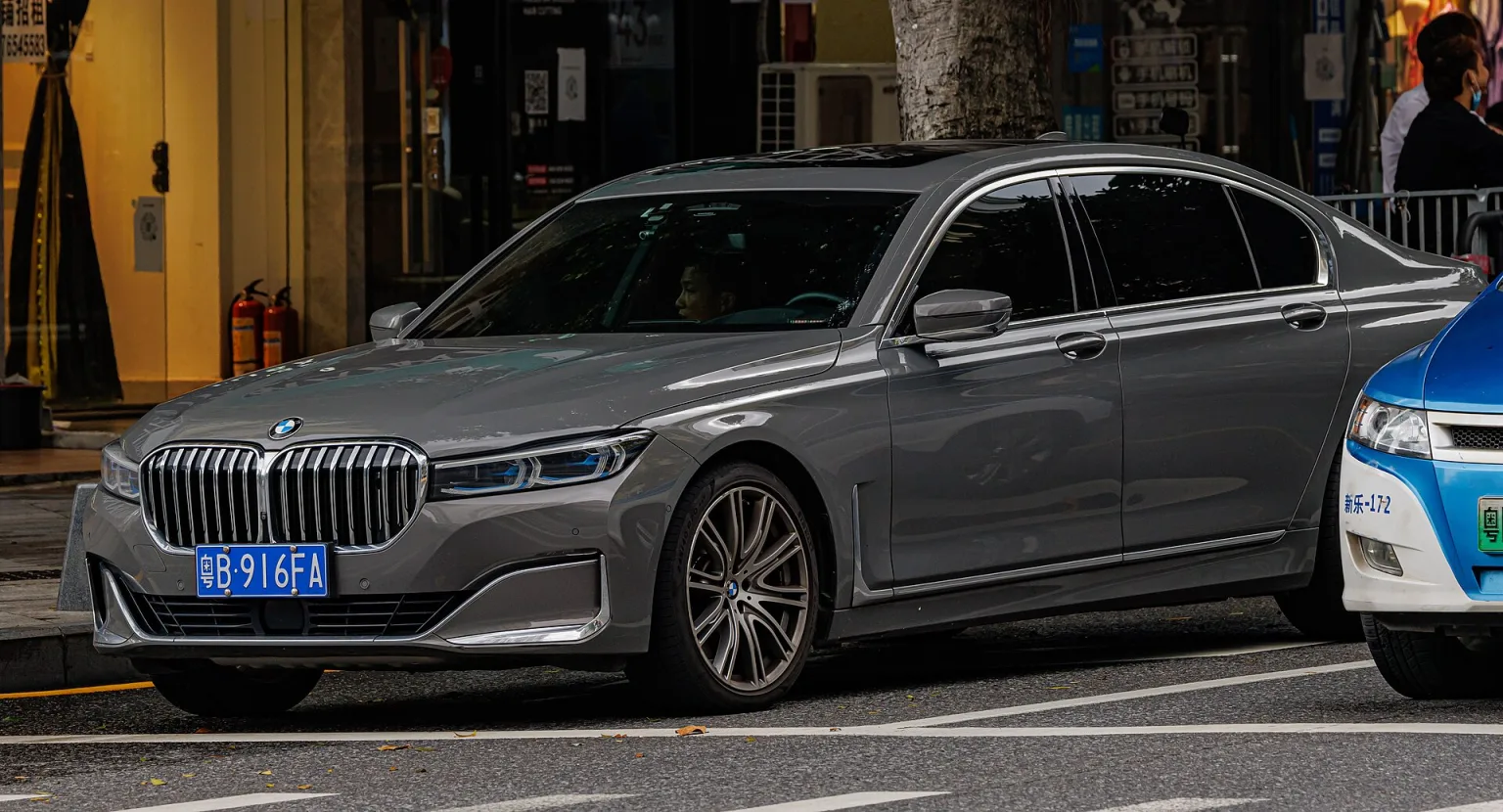
BMW’s flagship 7 Series saloon has been caught on camera once more as the company tests its new-generation model ahead of a planned launch in 2015. The camouflaged prototype, seen on public roads, signals the final stages of development for the German brand’s luxury contender.
The 2016 model is built on a heavily revised platform that blends carbon fibre, aluminium and high-strength steel. This construction is designed to cut overall weight, improve handling and help BMW meet tightening global emissions standards. The use of lightweight materials is expected to deliver better acceleration and braking, as well as improved fuel efficiency compared to the outgoing 7 Series.
Engine options and hybrid plans
BMW is preparing a broad engine line-up for the new 7 Series. Six-, eight- and twelve-cylinder engines are all expected, each featuring turbocharging and direct injection. The company is also developing a plug-in hybrid variant, drawing on technology shared with Toyota, to appeal to buyers seeking lower emissions and reduced running costs. This will be the first time a 7 Series has been offered with a plug-in hybrid powertrain.
A new M Performance model is also expected, likely to use a twin-turbocharged V8. This would sit above the standard petrol and diesel variants, providing a more dynamic offering for buyers interested in performance saloons. The engine range is being developed to balance power with the efficiency and emissions requirements now facing luxury carmakers.
Interior and technology upgrades
BMW is planning a comprehensive update to the 7 Series’ interior technology. Features set to be available include full WiFi capability, a Harman Kardon audio system, and advanced navigation with 3D mapping, real-time traffic and weather updates. Voice activation is being improved, and the car will support downloadable apps, reflecting the increasing importance of connected features in the luxury segment.
The new 7 Series will compete with rivals such as the Mercedes-Benz S-Class and Audi A8, both of which have recently introduced new generations with similar emphasis on lightweight construction and in-car technology. The BMW’s approach is distinguished by its use of carbon fibre in the platform, a material more commonly seen in sports cars and electric vehicles.
Expected launch and production plans
BMW is expected to unveil the new 7 Series during 2015, with a public debut possible at the Geneva Motor Show in March. Production will follow at the company’s Dingolfing plant in Germany, where the outgoing model is currently assembled. The new platform and hybrid technology mark a shift in BMW’s manufacturing strategy, aiming to reduce environmental impact and adapt to changing regulatory demands.