Opel Unveils All-New Astra K Ahead of Frankfurt Debut
Opel has revealed the 2016 Astra K, introducing a lighter body, new engines, and advanced LED matrix headlights ahead of its September premiere at the Frankfurt Motor Show.
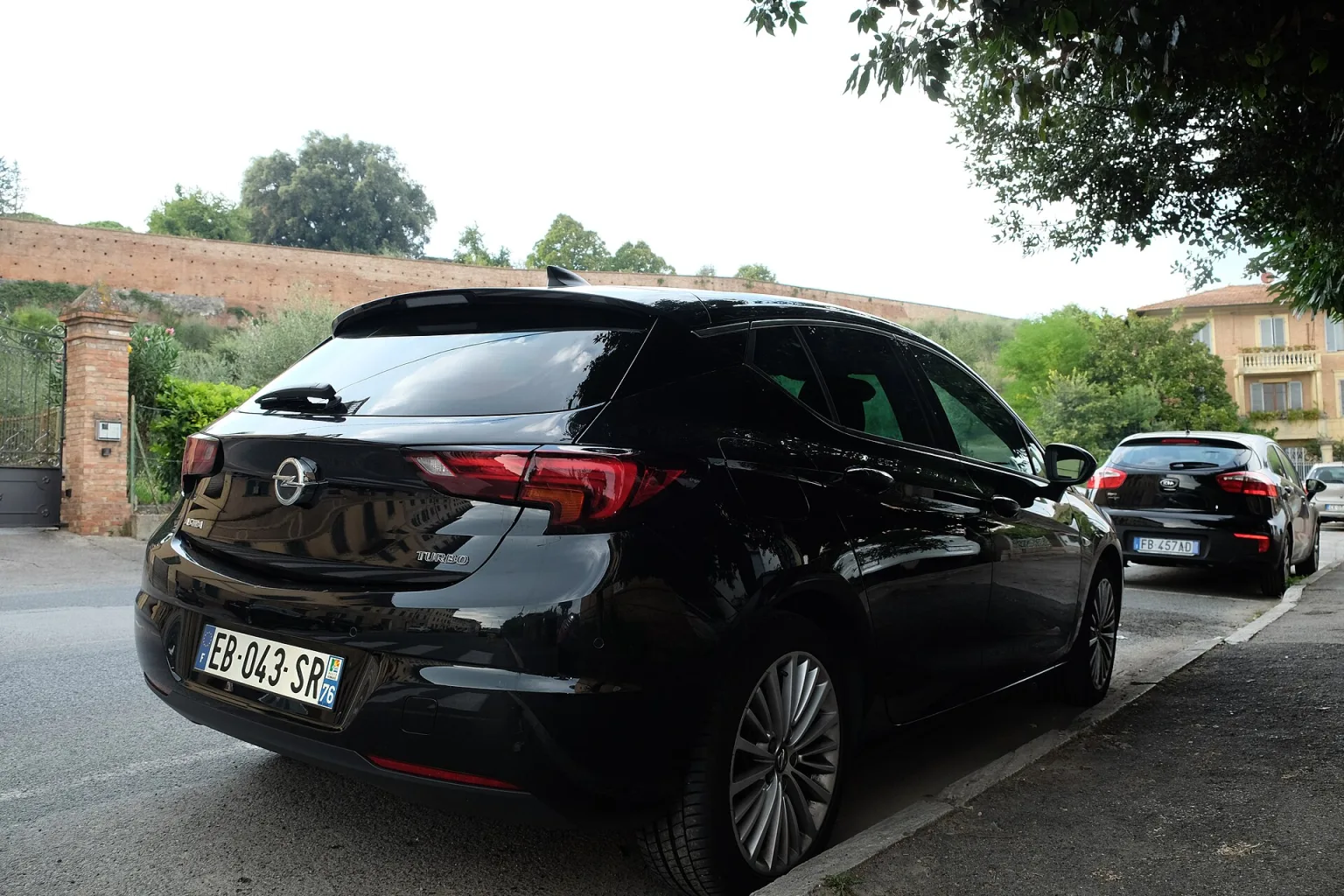
Opel has officially unveiled the 2016 Astra K, pulling the wraps off its all-new compact hatchback ahead of the car’s public debut at the 2015 Frankfurt Motor Show in September. The new Astra introduces a fresh design, a lighter chassis and body, and a suite of new technologies aimed at keeping Opel’s key model competitive in the crowded European C-segment.
Opel’s design team has moved away from the evolutionary approach of the previous generation. The Astra K gets sharper lines, a more sloped roof, and a redesigned C-pillar, giving it a more dynamic profile. The car is 5cm shorter and 2cm lower in wheelbase than its predecessor, yet Opel claims rear passengers benefit from an extra 35mm of legroom. The drag coefficient drops below 0.30, reflecting the focus on efficiency.
Lighter body, new platform
Weight saving has been a priority. Opel says the Astra K’s body shell is 20 percent lighter, with the total weight cut by up to 200kg depending on version. The chassis alone is 50kg lighter than before, which should benefit both fuel economy and handling. This reduction is achieved through the use of high-strength steels and more compact packaging throughout the platform.
IntelliLux LED matrix headlights
The Astra K introduces IntelliLux LED matrix headlights, a first in the class. The system automatically adjusts the beam pattern to avoid dazzling other road users, while Opel claims it can detect objects up to 40 metres earlier than conventional halogen or xenon units at 80km/h. This technology aims to bring premium safety features into the mainstream compact segment.
Engines and efficiency
Opel’s new Astra will launch with a range of updated petrol and diesel engines. The entry-level petrol is a 1.0-litre three-cylinder Ecotec unit producing 105hp. Higher up, a new 1.4-litre four-cylinder aluminium engine delivers 145hp and 250Nm of torque. On the diesel side, the base 1.6-litre CDTI offers 95hp. Further engine options are expected to follow, including more powerful variants and a wider diesel range.
Interior and connectivity
Inside, the Astra K features Opel’s latest IntelliLink infotainment system, compatible with both Android Auto and Apple CarPlay. The system is operated via an 8-inch touchscreen and supports a 4G LTE Wi-Fi hotspot through Opel’s OnStar service. Driver comfort is addressed with an 18-way adjustable seat, offering heating, ventilation and massage functions. Rear seat passengers can opt for heated outer seats. Advanced driver assistance features include Adaptive Cruise Control, Side Blind Spot Alert, Advanced Park Assist, Lane Keep Assist and Traffic Sign Assistant.
- IntelliLink infotainment with Android Auto and CarPlay
- OnStar connectivity with Wi-Fi hotspot
- 18-way adjustable, heated and ventilated driver’s seat
- Optional heated rear seats
- Comprehensive driver assistance suite
The 2016 Astra K will be built at Opel’s plant in Gliwice, Poland, with further details on pricing and full specifications to be announced at the Frankfurt show. For those interested in high-performance variants, Opel is preparing GSi and OPC hot hatch versions, as previously reported (seehere).