Adrian Newey says 2017 F1 rules fall short of true change
Red Bull’s Adrian Newey warns that Formula One’s 2017 technical regulations, intended to shake up the grid, are too conservative to break engine dominance.
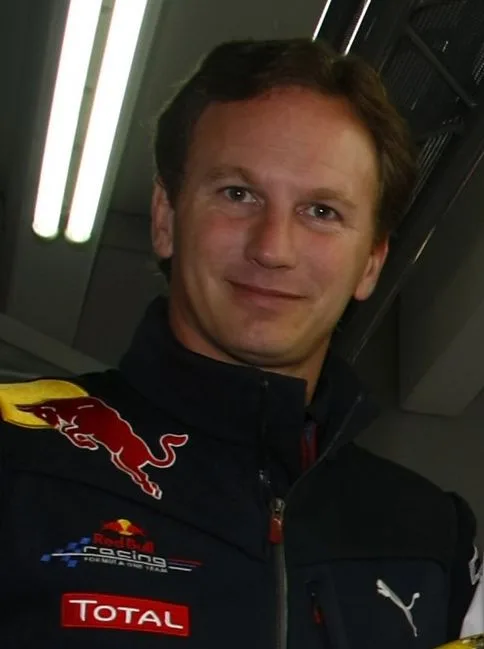
Adrian Newey, Red Bull’s chief technical officer, has voiced concern that Formula One’s 2017 rule changes will not deliver the dramatic shift needed to end the sport’s current engine-led hierarchy. Newey, whose designs have won multiple championships, said the planned regulations are too incremental to challenge the dominance of manufacturer teams like Mercedes and Ferrari.
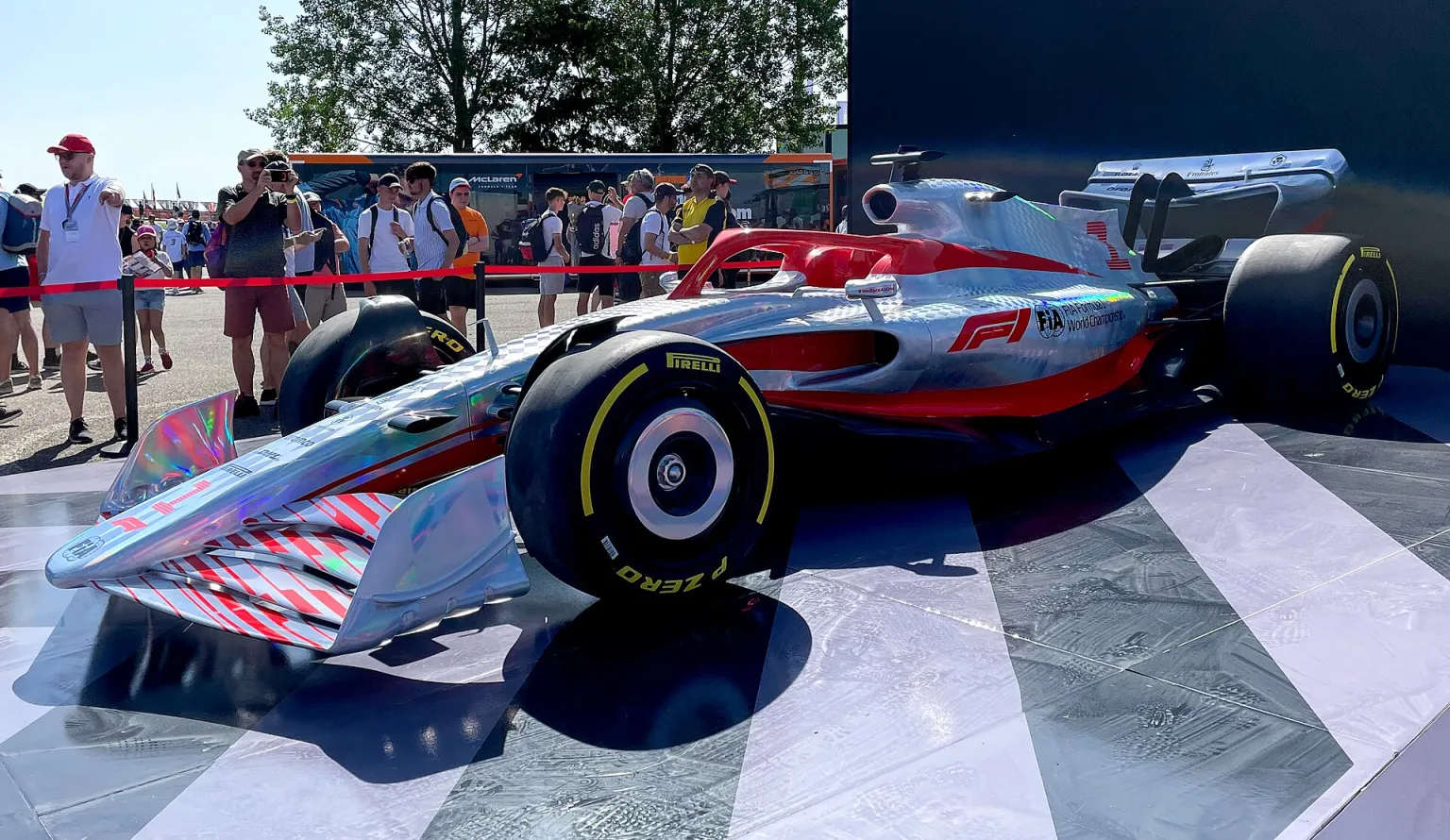
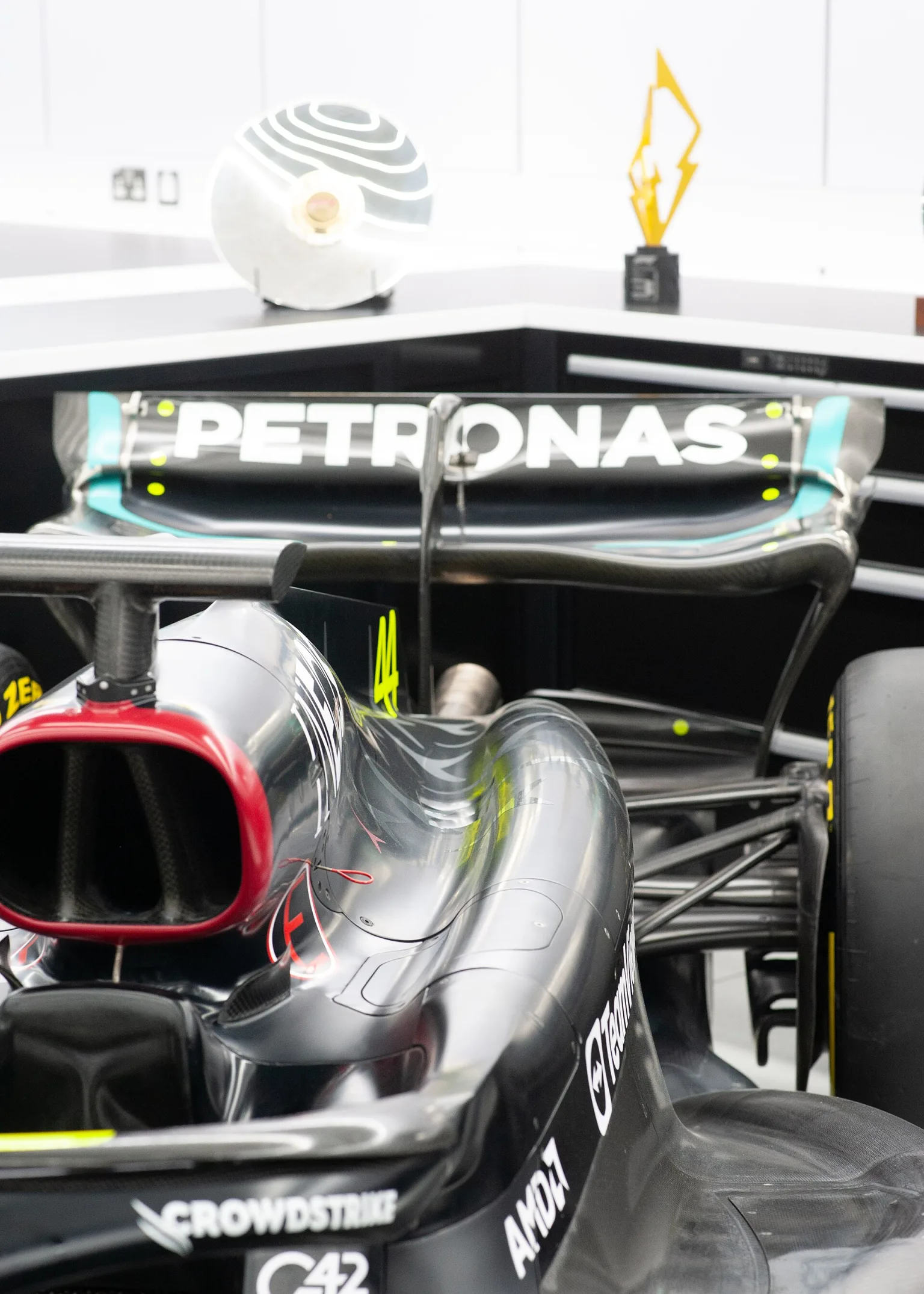
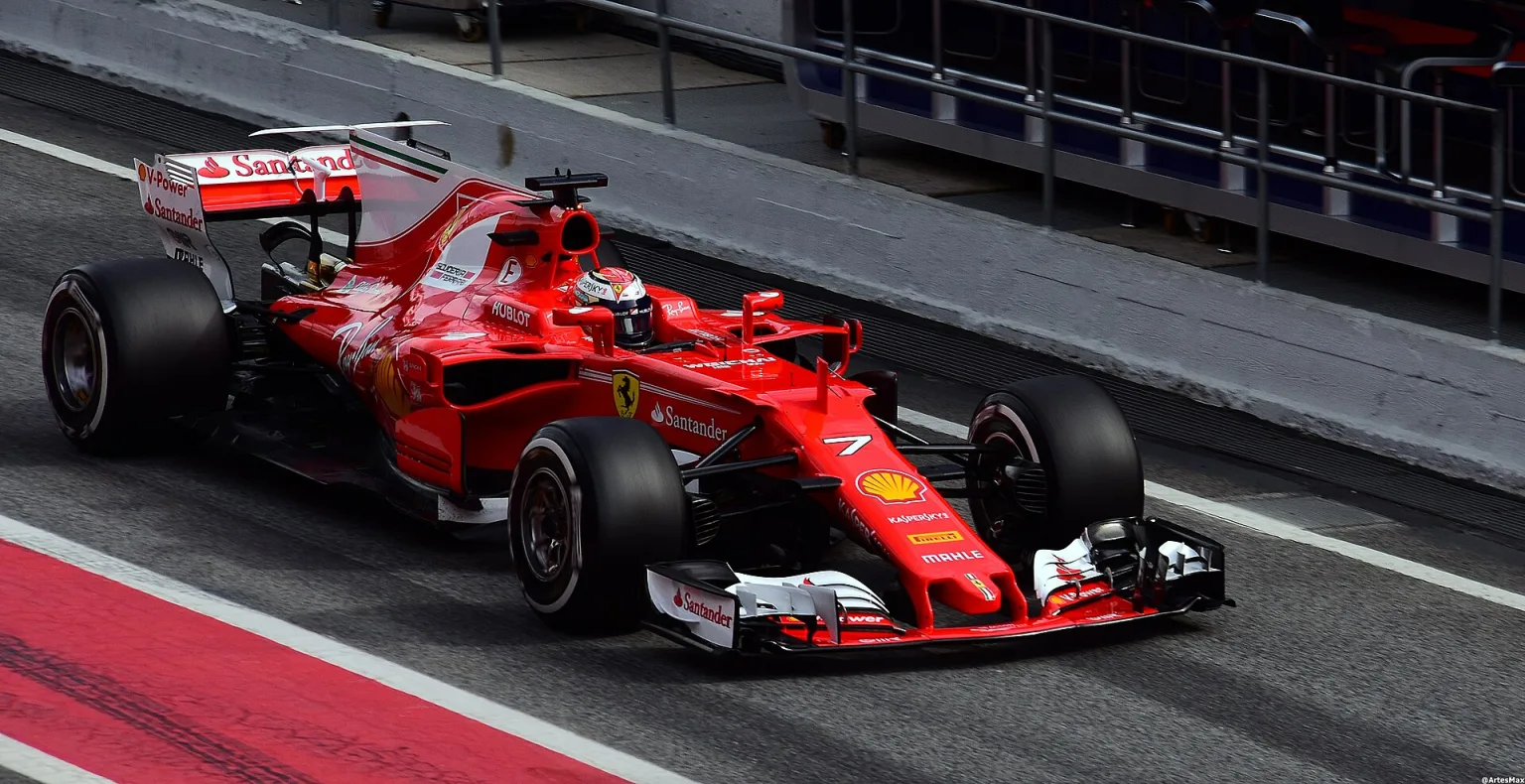
The 2017 regulations, intended to make cars faster and more visually aggressive, focus on wider tyres and revised aerodynamic rules. While these changes are billed as a step forward, Newey believes they fall short of the fundamental overhaul needed to reduce the overwhelming influence of power units on results. He points out that, under the current system, only works teams with full factory support, specifically Mercedes and, to a lesser extent, Ferrari, are realistically able to win races and championships.
Newey has previously stepped back from day-to-day Formula One involvement, citing frustration with restrictive chassis rules and the high-pressure environment. He has argued that the current engine formula, introduced in 2014, has tilted the competitive balance heavily in favour of manufacturers with the resources to develop both hardware and software in-house. Customer teams, Newey contends, are at a disadvantage not just in hardware but also in the software that manages power delivery and energy recovery.
Incremental change, not revolution
The core of Newey’s criticism is that the 2017 rules, while tweaking the look and speed of the cars, leave the underlying competitive structure intact. Wider tyres and modest aerodynamic revisions may alter lap times and aesthetics, but they do not address the gap between manufacturer and customer teams. The fundamental engine regulations, which restrict development and favour those with the most advanced hybrid technology, remain largely untouched.
For designers like Newey, whose expertise lies in chassis and aerodynamic innovation, the lack of freedom to pursue radical concepts is a source of frustration. Regulation changes are typically seen as an opportunity for creative approaches to leapfrog rivals, but Newey believes the 2017 package is too conservative to allow for genuine breakthroughs.
Engine supply and competitive balance
Newey’s comments also highlight ongoing concerns about engine supply parity. He claims that customer teams do not receive the same engine software as the works outfits, making it difficult for them to compete on equal terms. This, in his view, entrenches the position of Mercedes and Ferrari at the top of the sport, regardless of any tweaks to chassis or aerodynamic rules.
The 2017 technical changes were intended to shake up the order and bring more teams into contention. According to Newey, the measures agreed so far are unlikely to achieve that aim. The competitive landscape remains shaped primarily by engine performance and factory support, with chassis innovation limited by regulation.
For more on the 2017 F1 regulation overhaul, see F1 ratifies major overhaul for faster cars in 2017.