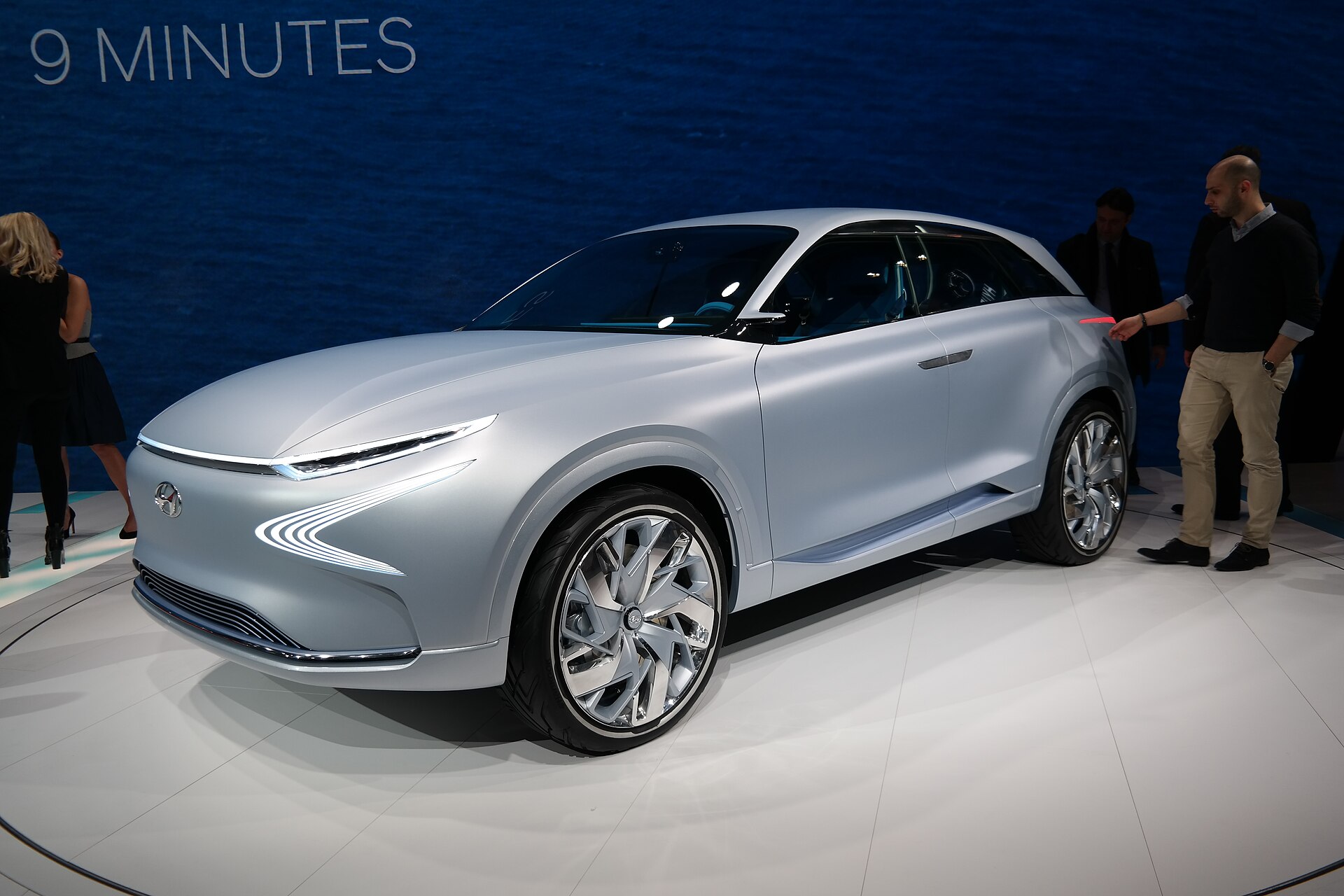
Hyundai FE Fuel Cell Concept previews next-gen hydrogen tech at Geneva
Hyundai unveiled the FE Fuel Cell Concept at the 2017 Geneva Motor Show, signalling advances in hydrogen power with lighter hardware and a claimed 800km range.
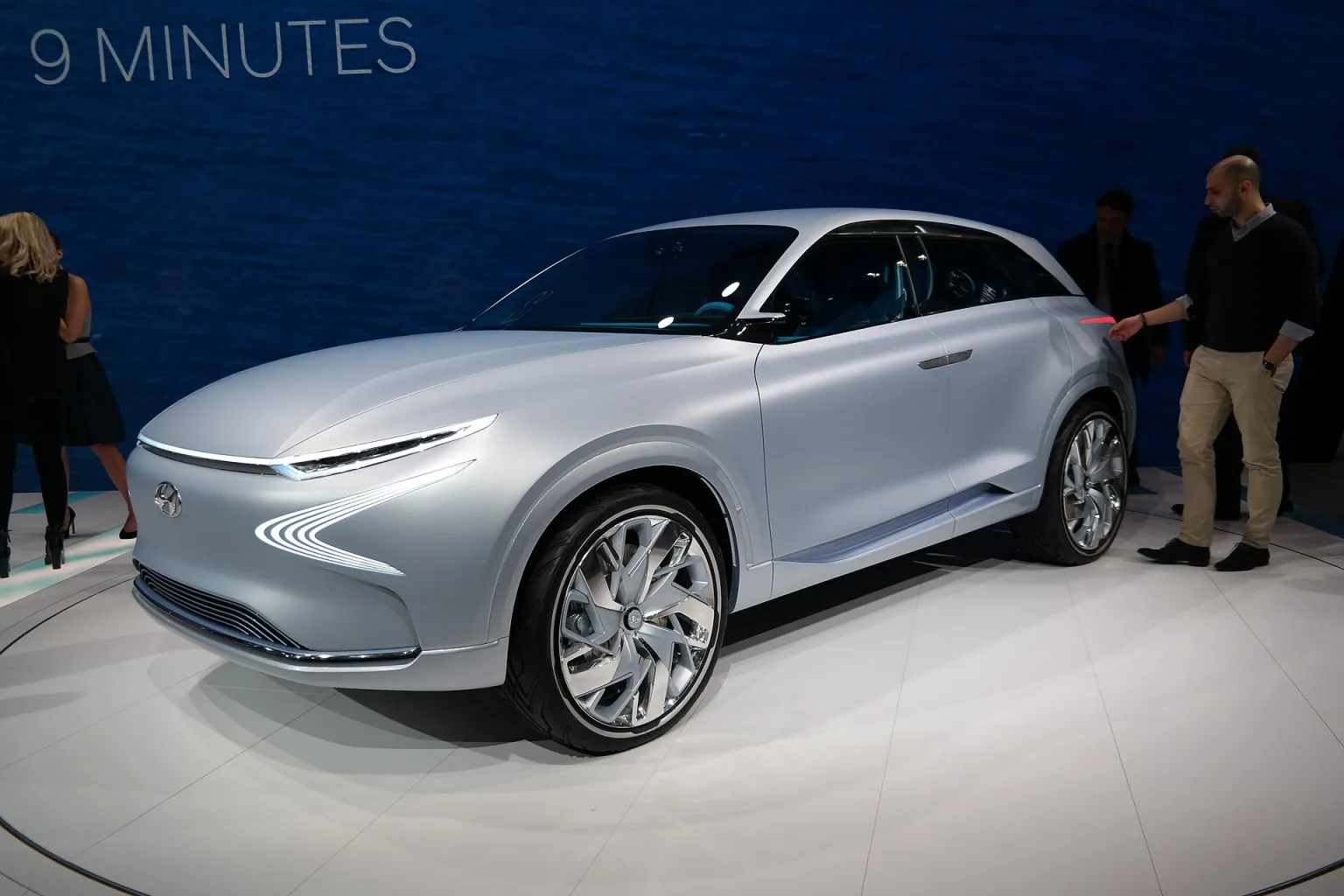
Hyundai used the 2017 Geneva Motor Show to showcase the FE Fuel Cell Concept, a hydrogen-powered SUV that previews the company’s next-generation fuel cell technology. The concept points directly to Hyundai’s plans for a production fuel cell model due in 2018, building on the lessons learned from the Tucson ix35 Fuel Cell.
Hyundai claims the new fuel cell stack is 20 percent lighter and 10 percent more efficient than the system in the outgoing Tucson-based model. Power density is up by 30 percent, which allows the FE Concept to achieve a claimed range of over 800km (497 miles) on a full tank of hydrogen. That would put it among the longest-range zero-emission vehicles presented at the show.
Technology and interior features
The FE Fuel Cell Concept’s cabin is minimalist but functional. Hyundai has included portable battery packs for charging devices such as tablets and smartphones, as well as an air humidifier that recycles the water produced by the fuel cell system. In the boot, an electric scooter is stowed and recharged from the car’s own power supply, a nod to urban mobility solutions.
While the FE Fuel Cell Concept is not intended for production, Hyundai said its technology will feed directly into the company’s second-generation fuel cell vehicles. A production model using this platform was confirmed for launch in 2018, following Hyundai’s earlier fuel cell SUV efforts. For further background on Hyundai’s hydrogen model plans, see Hyundai to Unveil New Hydrogen Fuel Cell SUV in 2017.
Comparison to previous Hyundai fuel cell models
Compared to the Tucson ix35 Fuel Cell, the FE Concept’s powertrain is lighter, more efficient and delivers higher power density. The range increase is especially notable, as the outgoing model was rated for around 594km (369 miles). The FE Concept’s packaging and energy management systems preview a more advanced approach to hydrogen vehicle design, with a focus on practicality and real-world usability.
The FE Fuel Cell Concept underlines Hyundai’s commitment to hydrogen, even as the market focus remains on battery-electric vehicles. The Geneva debut provided a public platform for the company to demonstrate how far its fuel cell technology has progressed since the first-generation Tucson ix35 Fuel Cell.