Le Mans 2012: LMP1 Cars Bring Hybrid Power and Diesel Muscle
Audi and Toyota led the 2012 Le Mans LMP1 field with advanced diesel and hybrid prototypes, as technical regulations shaped a diverse grid of petrol, diesel and hybrid contenders.
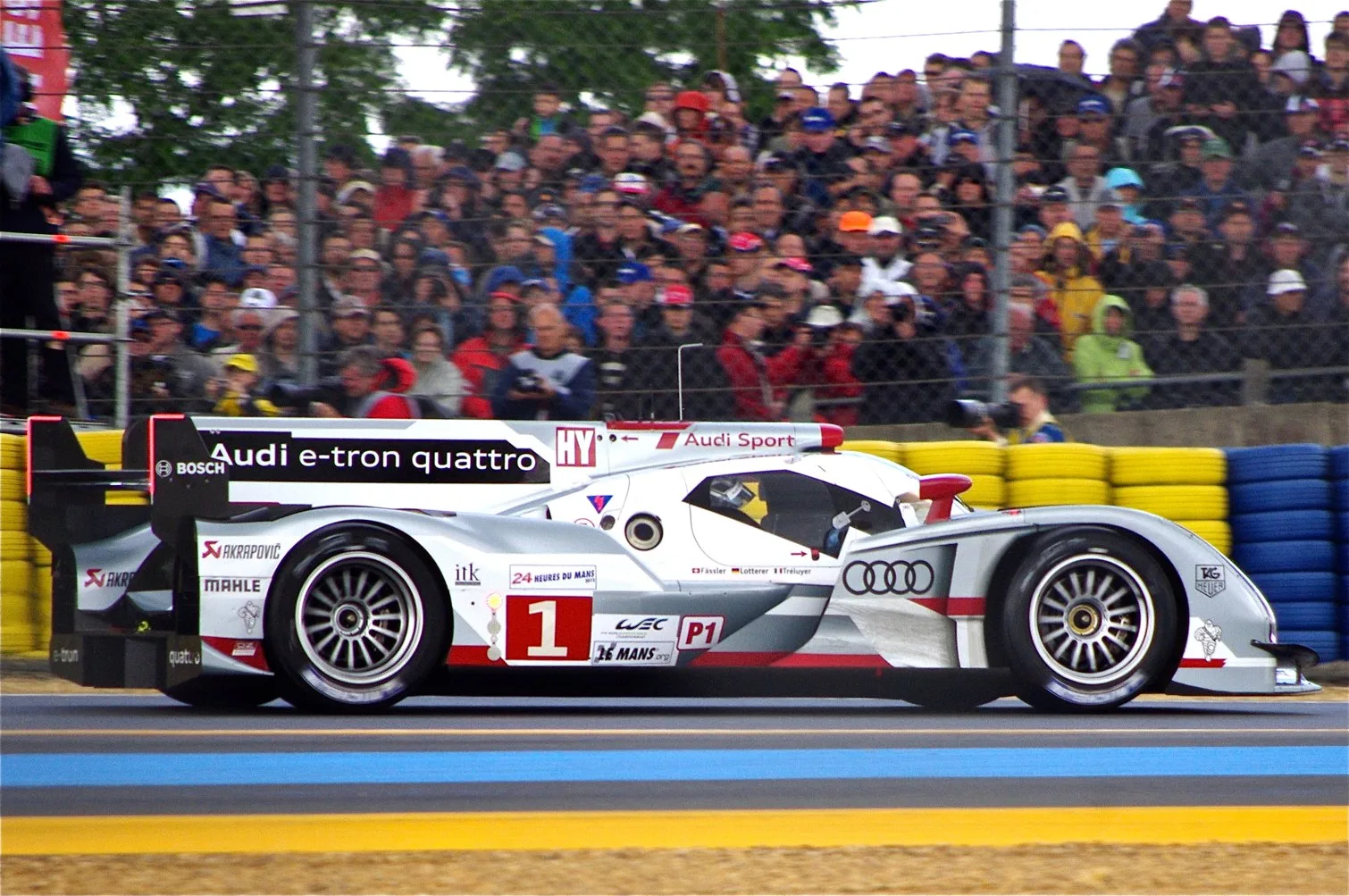
Audi and Toyota set the pace in the 2012 24 Hours of Le Mans with their LMP1 prototypes, as the top class shifted towards hybrid and diesel technology under new regulations. The field included a mix of petrol, diesel and hybrid-powered machines, each shaped by strict limits on weight, engine capacity and fuel consumption.
2012 LMP1 technical regulations
The ACO's 2012 rules for LMP1 set a 900 kg minimum weight and capped engine sizes at 3.4 litres for naturally aspirated petrol, 2.0 litres for turbocharged petrol, and 3.7 litres for turbo diesels. Hybrid systems were allowed, with fuel tank capacities adjusted to balance performance: petrol cars could carry up to 75 litres, hybrids slightly less, and diesels restricted to 60 litres (or 58 litres for diesel hybrids).
These limits were designed to encourage efficiency and innovation, pushing manufacturers to extract more performance from less fuel. The result was a field where outright speed had to be matched by careful energy management, especially for the new hybrid entries.
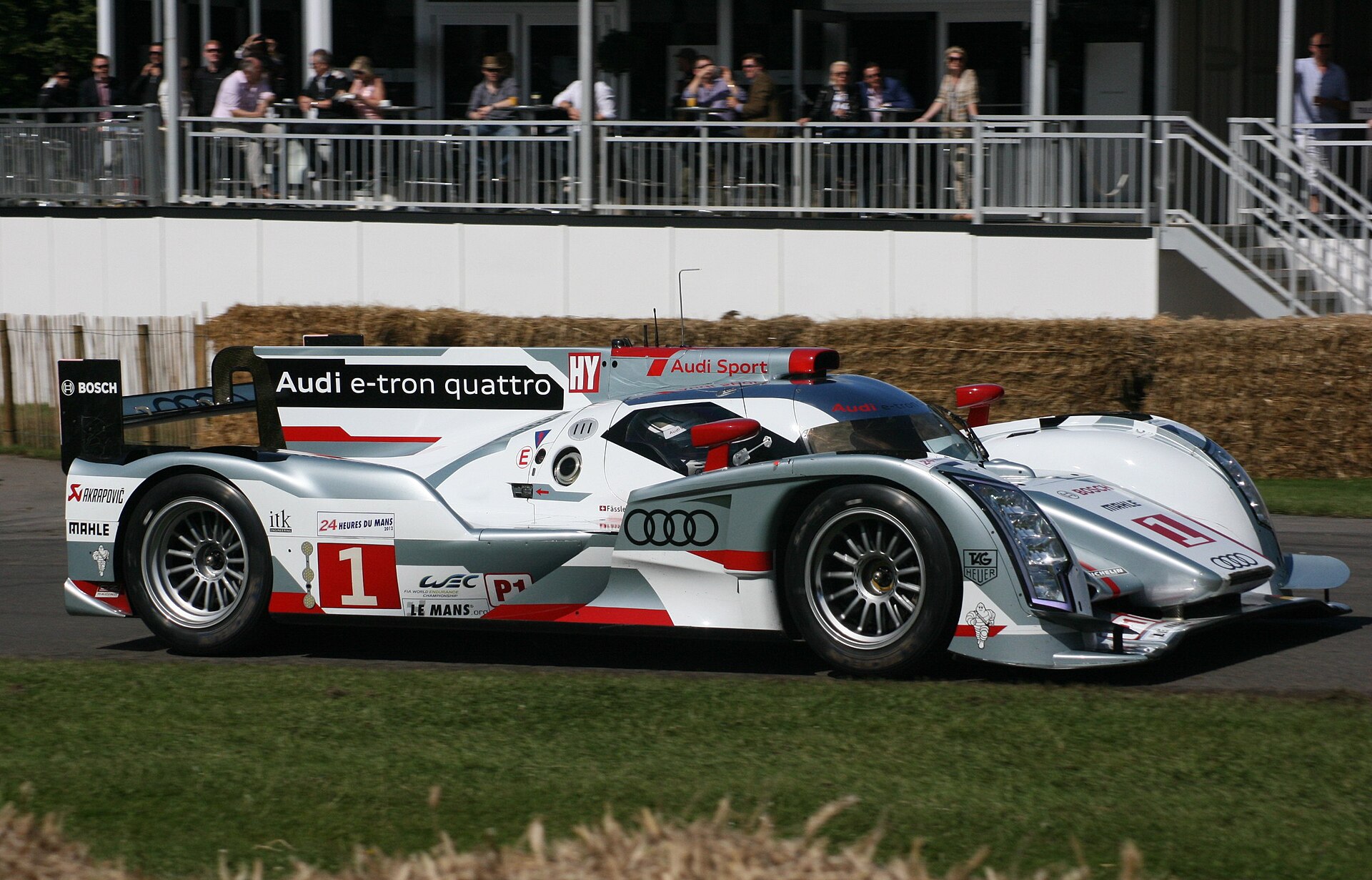
Audi R18 e-tron quattro and R18 ultra
Audi entered two versions of its R18: the e-tron quattro hybrid and the lighter R18 ultra. Both featured a 3.7-litre V6 TDI engine producing over 510 hp and more than 850 Nm of torque. The e-tron quattro added an electric flywheel hybrid system, delivering up to 150 kW to the front axle above 120 km/h, effectively giving the car four-wheel drive in certain conditions. Both cars used a carbon-fibre monocoque, six-speed sequential gearboxes and weighed in at the 900 kg minimum.
| Engine | 3.7-litre V6 TDI diesel, single turbo |
|---|---|
| Hybrid system | Electric flywheel, 2x 75 kW MGU front axle |
| Power | 510+ hp |
| Torque | 850+ Nm |
| Drive | Rear-wheel, e-tron quattro from 120 km/h |
| Fuel tank | 58 litres |
| Weight | 900 kg |
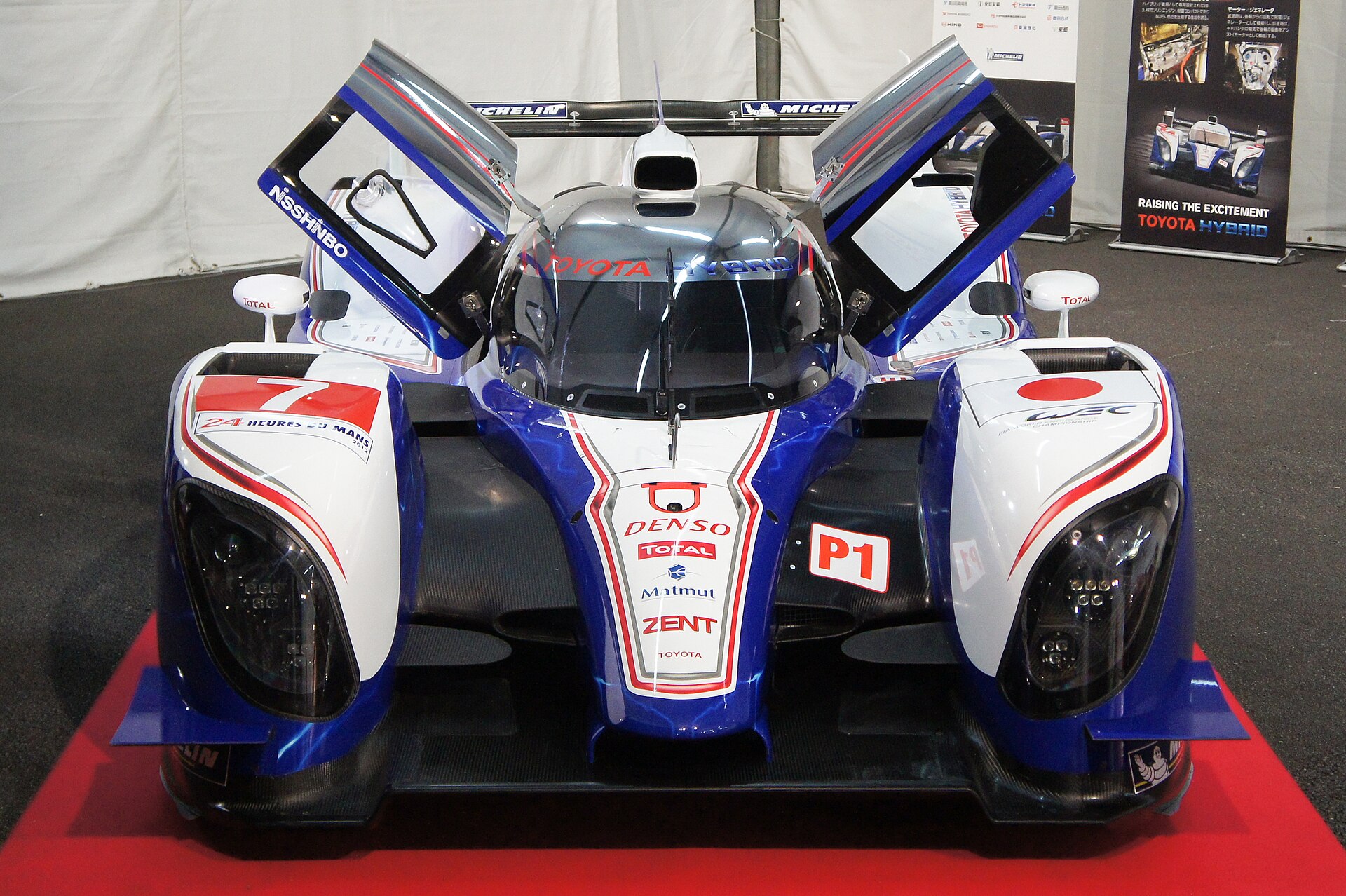
Toyota TS030 Hybrid and privateer LMP1s
Toyota returned to Le Mans with the TS030 Hybrid, combining a 3.4-litre naturally aspirated V8 with the THS-R hybrid system. The car used a capacitor-based energy storage, with Aisin and Denso motors powering the front and rear axles. The TS030's petrol engine and hybrid system were paired with a 73-litre tank, slightly larger than the Audi's diesel hybrid allowance. Toyota's chassis was a carbon-fibre monocoque, with independent double wishbone suspension and magnesium wheels.
| Engine | 3.4-litre V8 petrol, naturally aspirated |
|---|---|
| Hybrid system | THS-R, capacitor storage, Aisin/Denso motors |
| Power | Not officially stated |
| Drive | Rear-wheel, hybrid boost to front/rear |
| Fuel tank | 73 litres |
| Weight | 900 kg |
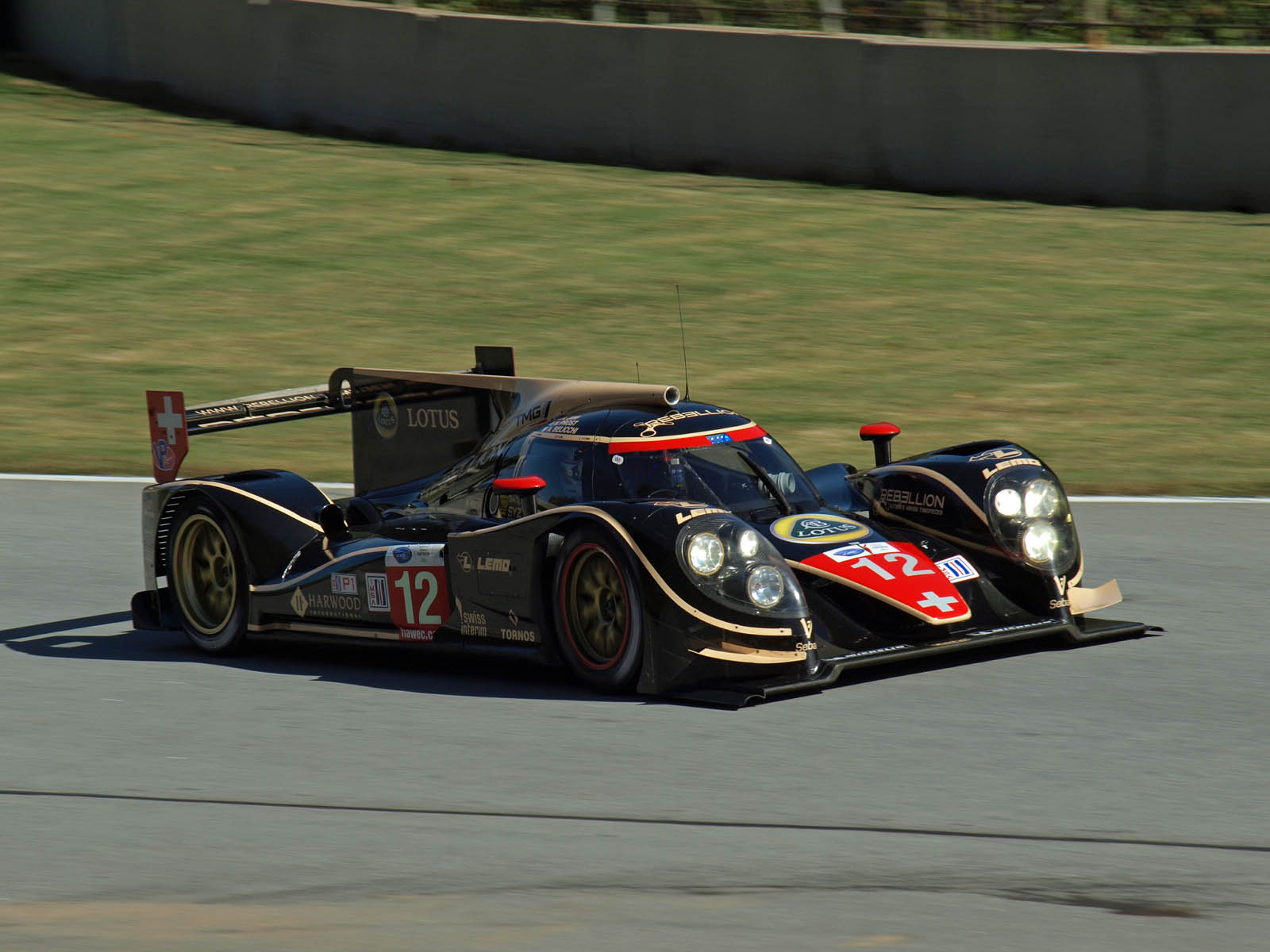
The 2012 LMP1 entry list also included privateer efforts such as the Lola B12/60 Toyota, OAK Pescarolo Judd, Pescarolo 03 Judd, Dome Judd and HPD ARX 03a Honda. These cars typically ran petrol engines with Judd or Honda power, and lacked the hybrid systems of the works entries, but benefitted from larger fuel tanks and simpler drivetrains.
Le Mans 2012: A turning point for hybrid technology