German Carmakers to Recall 630,000 Diesels Over Emissions Software
Volkswagen, Audi, Porsche, Mercedes-Benz and Opel will recall 630,000 diesel vehicles in Germany to update emissions software following findings of irregularities by the transport authority.
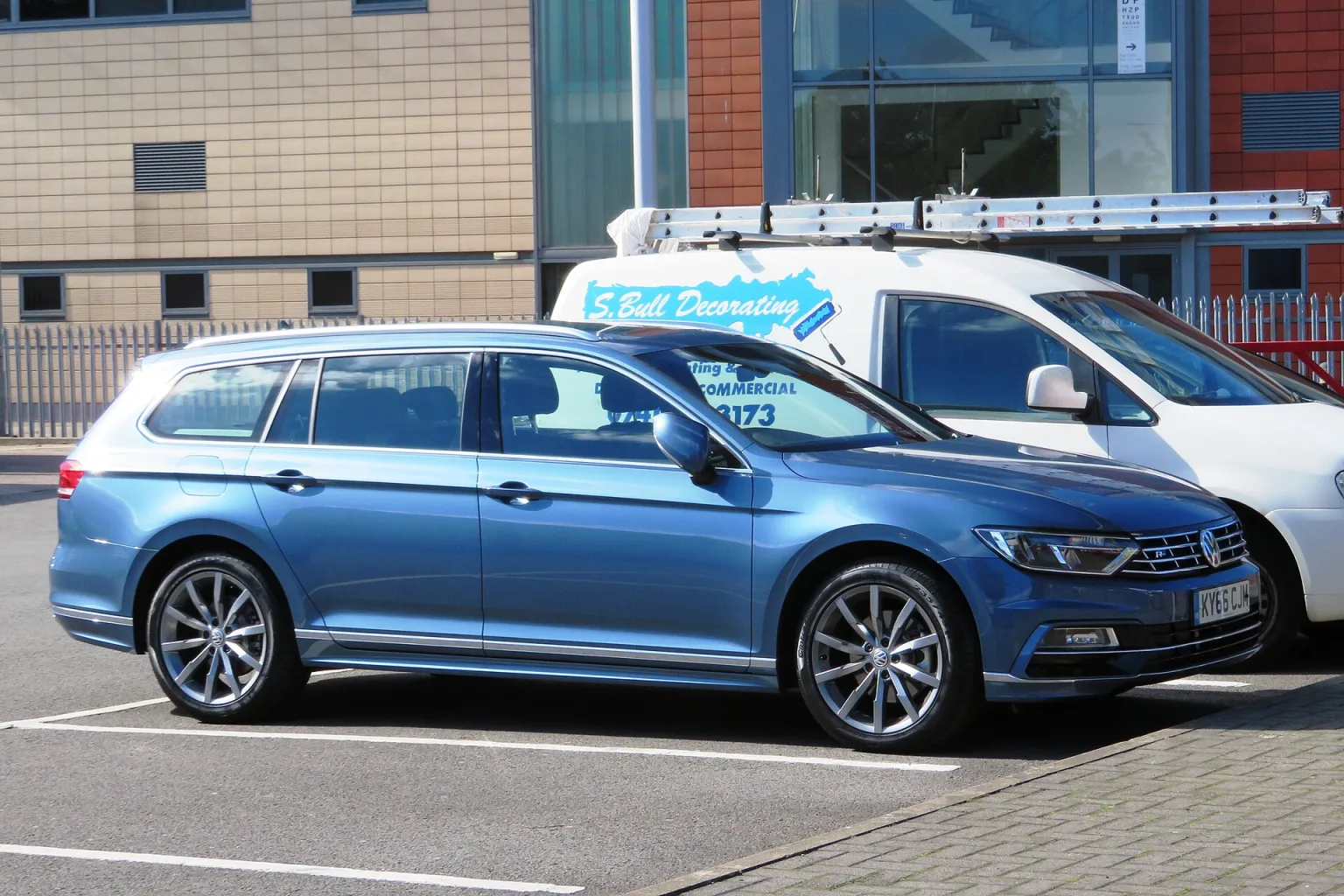
Five major German carmakers will recall a total of 630,000 diesel vehicles in Germany after authorities identified irregularities in emissions control systems. The action follows an investigation by the German Federal Motor Transport Authority (KBA) into diesel models from Volkswagen, Audi, Porsche, Mercedes-Benz and Opel.
The KBA launched its probe after Volkswagen admitted in 2015 to using illegal defeat devices to cheat emissions tests. In its review of other manufacturers, the authority did not find evidence of similar illegal software, but did detect emissions management strategies that switched off exhaust treatment systems under certain temperature conditions. While these practices were deemed legal under existing rules, the KBA required manufacturers to update their software to ensure emissions controls function more consistently.
Which vehicles are affected?
The recall covers Euro 5 and some Euro 6 diesel models. Volkswagen, Audi and Porsche will update engine management software on a range of cars, including core Volkswagen models and selected Audi Q5, A6 and A8 variants with manual gearboxes. Mercedes-Benz parent Daimler said around 247,000 of its cars are affected, including compact models using the OM 607 engine supplied by Renault. Opel had already announced a voluntary recall of about 57,000 Euro 6 diesels in Europe, including the Zafira Tourer, Insignia and Cascada.
- Volkswagen, Audi and Porsche: various diesel models, including manual Audi Q5, A6, A8.
- Mercedes-Benz: around 247,000 cars, mainly compacts with OM 607 engine.
- Opel: about 57,000 Euro 6 diesels (Zafira Tourer, Insignia, Cascada).
Why the recall matters for manufacturers and owners
Manufacturers have agreed to the recall voluntarily. The update targets software that reduces the effectiveness of emissions controls at certain temperatures, a feature designed to protect engines but which can increase nitrogen oxide output in real-world driving. Owners will be contacted to arrange a software update at authorised workshops. The recall does not involve hardware changes and is not expected to affect engine performance or fuel economy, according to company statements at the time.