GM Predicts 7–10% Growth for China Auto Market in 2012
General Motors expects China's car market to expand by up to 10 percent in 2012, signalling continued strength despite global economic uncertainty.
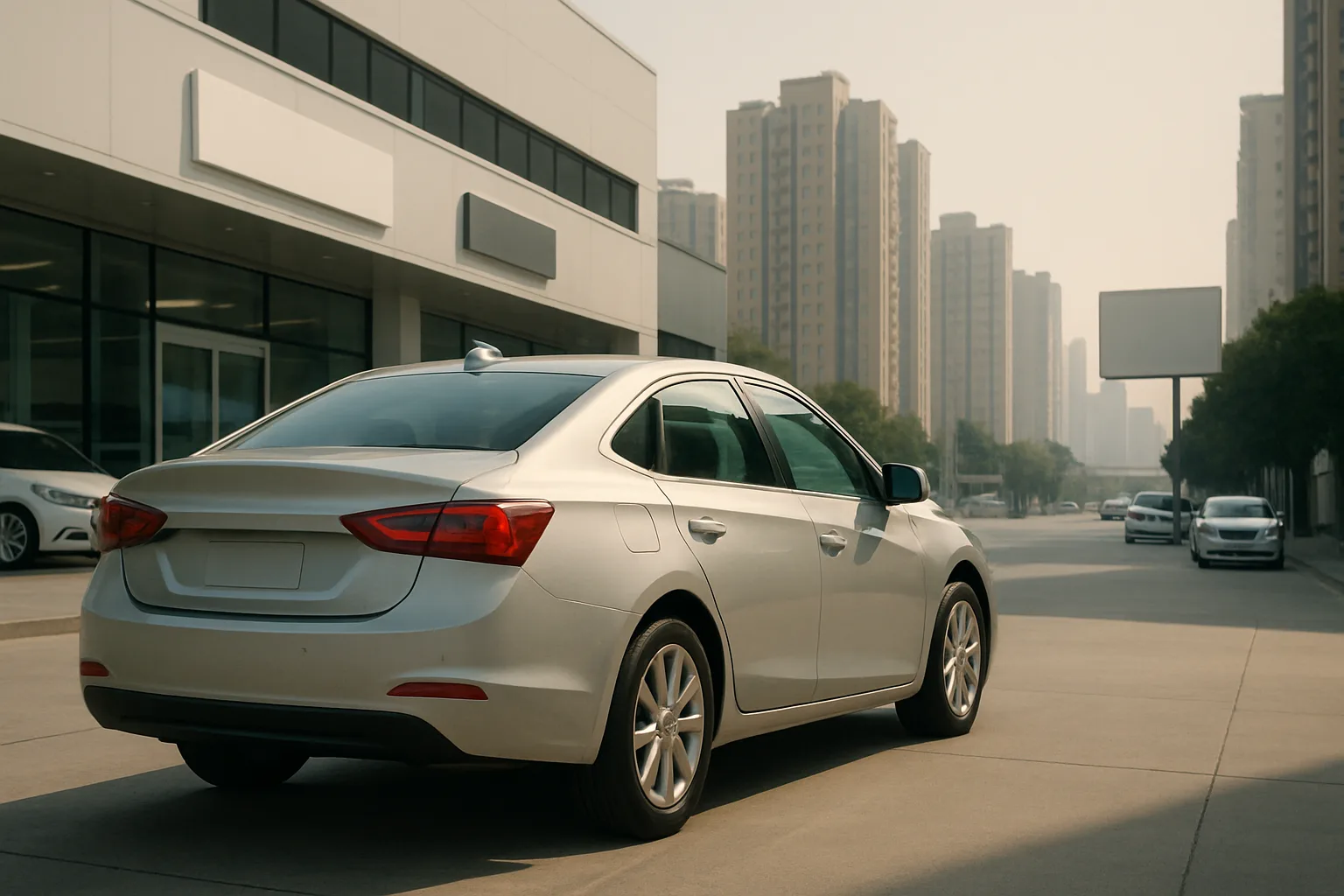
General Motors has forecast that China’s automotive market will grow between 7 and 10 percent in 2012, maintaining its position as the world’s largest car market despite wider economic concerns. The projection comes as manufacturers weigh the impact of slower global growth and shifting demand patterns in China.
General Motors’ outlook for China in 2012
The company’s growth estimate for China stands in stark contrast to the more modest outlook for mature markets such as the United States and Europe. While Western economies face stagnation or contraction, China’s car market has continued to expand, albeit at a slower pace than the double-digit growth seen in previous years. GM’s prediction of 7–10 percent growth reflects both the maturing of the Chinese market and the ongoing demand for personal vehicles, especially in second- and third-tier cities.
General Motors has invested heavily in China through joint ventures and local partnerships. The company’s model range in China includes budget sedans, SUVs and premium offerings, with brands such as Buick, Chevrolet and Baojun targeting different segments. The shift in demand from large coastal cities to smaller urban centres has prompted GM and its rivals to adapt their product lines and distribution strategies.
Context: Slower growth but continued expansion
The forecasted 7–10 percent growth for 2012 is lower than the rapid expansion rates of the previous decade, when China’s car sales routinely climbed by more than 20 percent a year. Industry analysts have attributed the slowdown to the removal of government incentives, tighter credit and increased restrictions on car ownership in major cities. Nonetheless, the Chinese market remains a key source of volume and profit for global manufacturers, with GM regularly setting sales records in the country.
For buyers, the expansion means a wider choice of models and more competitive pricing, particularly as manufacturers introduce new vehicles tailored to local tastes and budgets. For GM, sustained growth in China is essential to offsetting weaker performance in North America and Europe. The company’s ongoing investment in local production is designed to keep pace with demand and maintain its market share against rivals such as Volkswagen and Toyota.
What this means for global manufacturers
General Motors’ growth forecast underlines China’s continued importance to the global automotive industry. While the pace of expansion has slowed, the sheer scale of the market and the growing middle class ensure that China remains the focus of new model launches and manufacturing investment. GM’s strategy in China includes introducing more fuel-efficient and lower-cost vehicles, as well as expanding its dealer network into less saturated regions.
Rival manufacturers, including Volkswagen and PSA, have also announced plans to increase their presence and model range in China. The competition for market share is expected to intensify as growth in other regions remains subdued. For further detail on how other manufacturers are targeting China, see PSA Sets Ambitious 10% Target for DS in China’s Luxury Market.