Volvo C30 Electric Revealed with 150km Range and Full Interior
Volvo has unveiled a production-ready battery electric C30, featuring a 24kWh battery, full interior, and a claimed 150km range, as shown at the Detroit motor show.
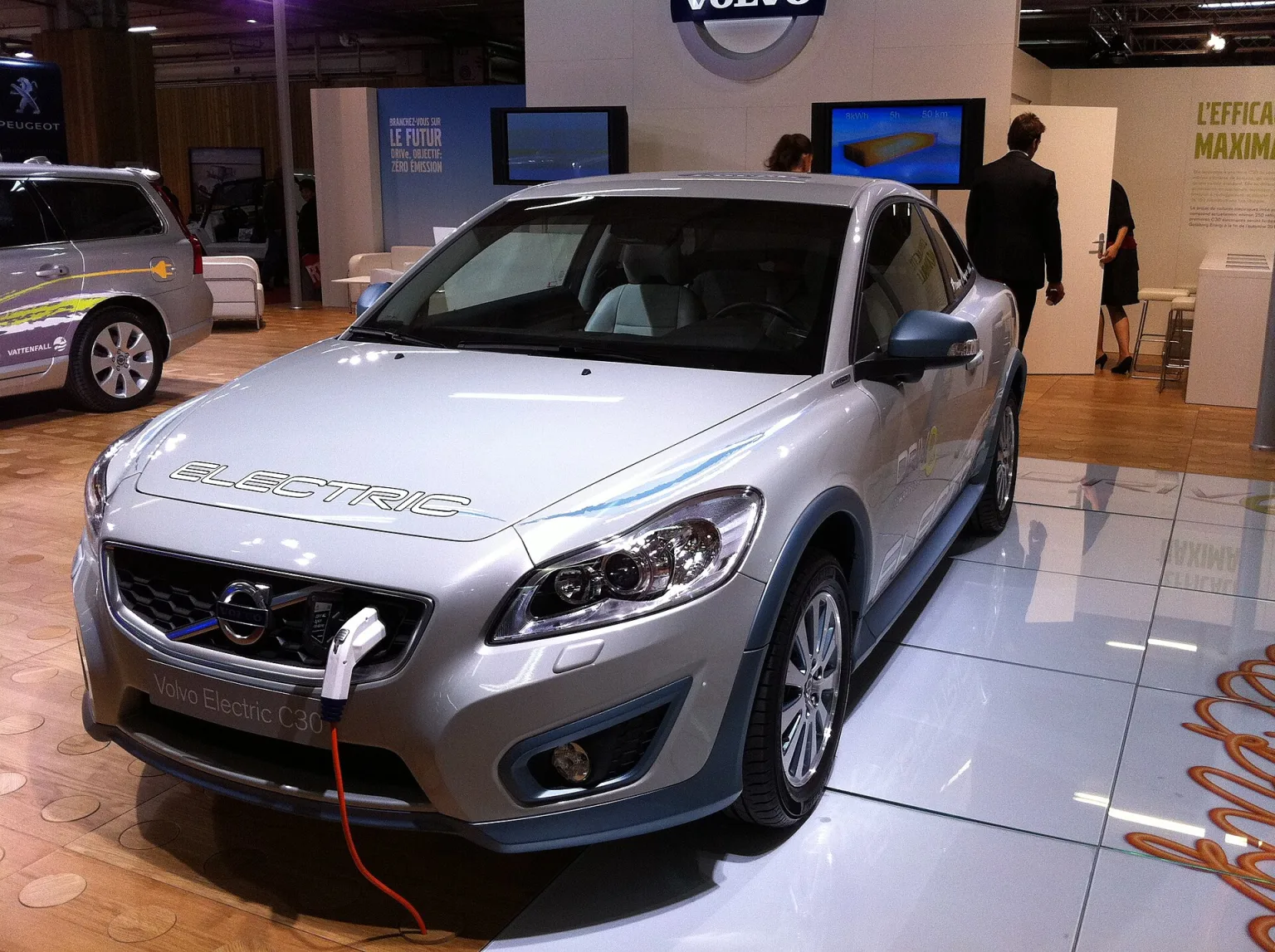
Volvo has introduced a complete battery electric version of the C30, unveiling the car with a production-ready interior and full instrumentation at the Detroit motor show. This model marks a significant step in Volvo’s electric vehicle development, moving beyond early prototypes to a car that is ready for real-world use. The C30 Electric is designed to deliver a driving experience and practicality comparable to its petrol-powered counterpart, while offering the benefits of zero tailpipe emissions and modern electric drive technology.
Overview of the Volvo C30 Electric
Technical Specifications
| Battery (nominal/usable) | 24kWh / 22.7kWh |
|---|---|
| Range (NEDC) | 150km |
| Electric Motor Output | 82kW (111bhp) |
| Top Speed | 130km/h |
| 0-100km/h Acceleration | 10.5 seconds |
| Charging Time (230V, 16A) | Under 8 hours |
| Battery Weight | 280kg |
| CO2 Emissions (Tailpipe) | None |
| Seating | Full four-seater |
Design and Interior
The electric C30 retains the familiar silhouette and proportions of the standard Volvo C30. Volvo has integrated the battery pack beneath the car’s floor and in the central tunnel, ensuring that interior space and comfort are not compromised. The car remains a full four-seater, with the same level of roominess and practicality as the conventional model.
Inside, the most notable change is the instrument cluster. The C30 Electric features a redesigned display that highlights information essential to electric driving, such as road speed, energy consumption, and battery charge status. Additional symbols and graphics are used to provide the driver with real-time updates on the vehicle’s electric systems. Apart from these updates, the interior trim and comfort features match those of the standard C30, maintaining Volvo’s reputation for quality and ergonomics.
Driving Experience and Performance
The C30 Electric is powered by a single-speed transmission and an 82kW electric motor. This setup delivers instant torque, resulting in a smooth and quiet driving experience. Acceleration from 0 to 100km/h takes 10.5 seconds, and the car can reach a top speed of 130km/h. The absence of gears and the seamless delivery of power distinguish the C30 Electric from traditional internal combustion models, offering a different but accessible driving feel.
With an official range of up to 150km on the NEDC cycle, the C30 Electric is tailored for daily commuting and urban driving. Volvo notes that this range is sufficient to cover the typical daily transport needs of more than 90 percent of European motorists. Charging is straightforward, taking less than eight hours from a standard 230V domestic socket, making overnight recharging practical for most users.
Safety and Battery Integration
Volvo has placed a strong emphasis on safety in the C30 Electric’s design. The 280kg battery is carefully packaged to preserve the car’s balance and to provide effective crash protection. The structural integrity of the car is maintained, and the battery is shielded to prevent damage in the event of a collision. The C30 Electric is engineered to meet the same safety standards as Volvo’s conventional vehicles, ensuring that the switch to electric power does not come at the expense of occupant protection.
Market Context and Development
At the time of its unveiling, the C30 Electric was among the first fully developed battery electric hatchbacks from a major European manufacturer. Its 150km range and practical overnight charging made it a viable option for urban and suburban drivers, even though later models from competitors would go on to offer longer ranges. For example, the European Ford Focus Electric, released some years later, featured a larger battery and a range of up to 225km, illustrating the rapid progress in electric vehicle technology.
Volvo’s decision to showcase the C30 Electric with a complete interior and final battery packaging represented a move beyond earlier prototypes, which often lacked full trim or operational instrumentation. This approach demonstrated Volvo’s commitment to developing electric vehicles that did not compromise on everyday usability or brand values. While production volumes and sales dates were not confirmed at launch, the C30 Electric served as a testbed for further development and validation of Volvo’s electric vehicle technology, particularly in the areas of battery safety and integration.
Legacy and Impact
The Volvo C30 Electric played an important role in shaping the company’s approach to electric mobility. By creating a complete and usable electric hatchback, Volvo gained valuable experience in battery integration, safety engineering, and user interface design for electric vehicles. The lessons learned from the C30 Electric contributed to the development of later Volvo electric and plug-in hybrid models, helping to establish the company’s presence in the growing market for zero-emission vehicles.