Maserati to Cap Annual Sales at 75,000 Units to Preserve Brand Exclusivity
Following Ferrari’s lead, Maserati will limit global sales to 75,000 vehicles per year as it seeks to maintain exclusivity amid ambitious expansion plans by parent Fiat.
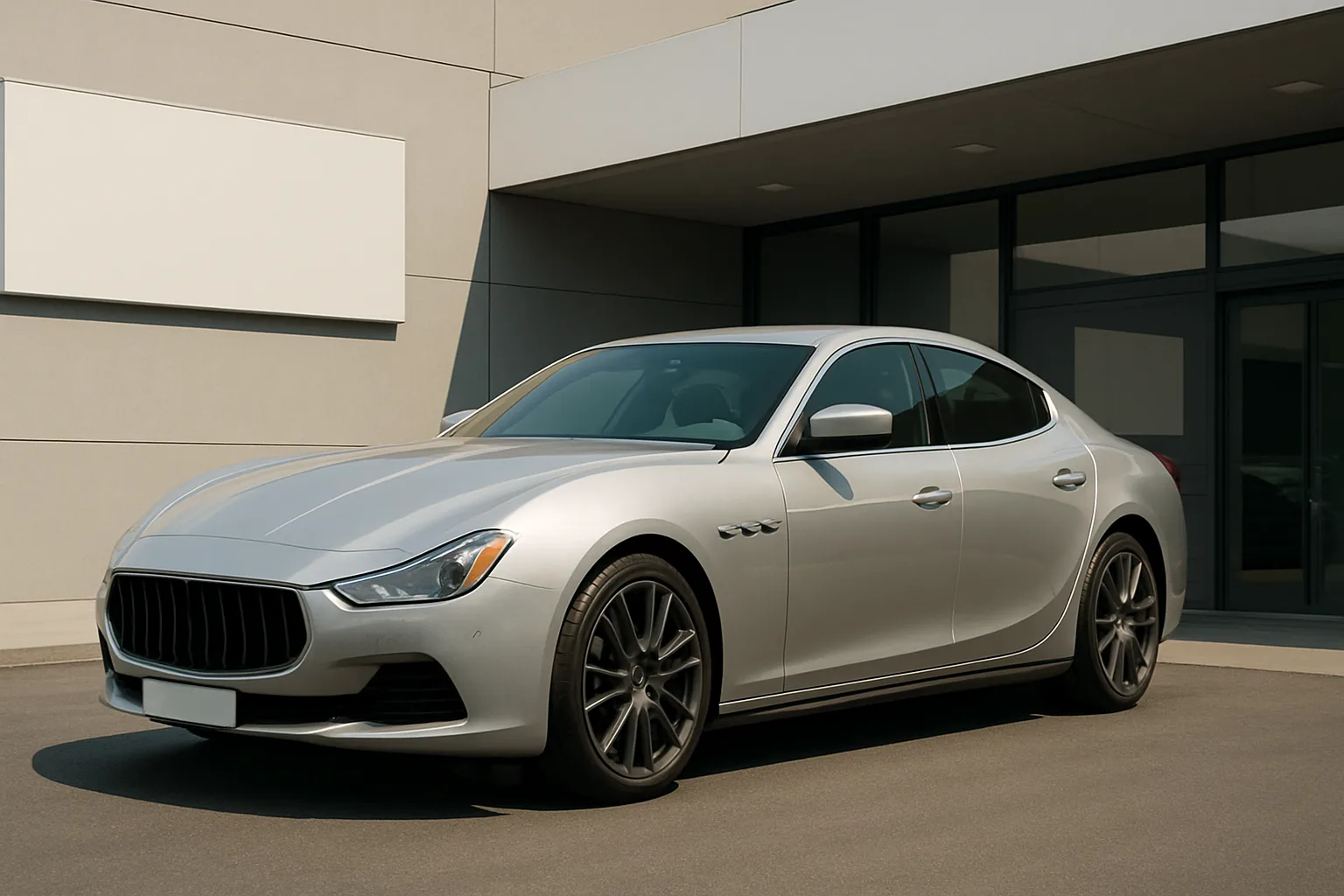
Maserati will restrict its global annual sales to 75,000 vehicles, aiming to protect the brand’s exclusivity as demand rises and Fiat pushes for higher profits from its luxury divisions. The move echoes Ferrari’s longstanding strategy of limiting production to maintain desirability, though Maserati’s cap is set at a much higher level than its Maranello stablemate.
The sales cap was confirmed by Umberto Maria Cini, head of Maserati’s overseas markets, as the company’s new models attracted strong demand in 2014. Maserati had sold just 15,400 cars worldwide in 2013, but a refreshed line-up, including the more accessible Ghibli saloon, saw the brand forecast deliveries of 50,000 units in 2015. The 75,000-unit ceiling is expected to be reached by 2018, after which Maserati will hold production steady to avoid overexposure.
Why Maserati is Limiting Sales
Fiat, Maserati’s parent, has set ambitious targets for its luxury brands after suffering from weak European sales and a downturn in South America. By capping Maserati’s output, the group aims to ensure the marque retains its upmarket image, even as it becomes a more prominent contributor to Fiat’s bottom line. The approach follows Ferrari’s long-held practice, which has helped keep residual values high and demand strong for its sports cars. For context, Ferrari’s annual production is typically less than 10,000 units.
Maserati’s line-up at the time included the GranTurismo coupe, Quattroporte luxury saloon and the Ghibli, which broadened the brand’s reach. The company also planned to introduce the Levante SUV in 2015 or 2016, targeting a segment that had already delivered strong growth for rivals such as Porsche. The expansion into SUVs was expected to drive volumes towards the new cap.
Comparing Maserati and Ferrari Sales Strategies
| Brand | Annual Sales Cap (units) | 2013 Sales (units) |
|---|---|---|
| Maserati | 75,000 | 15,400 |
| Ferrari | ~7,000 | 7,000 |
While both brands are positioned as luxury manufacturers, Maserati’s cap is designed to allow for much greater volume than Ferrari’s. The move reflects Maserati’s broader product range and a customer base that extends beyond the supercar niche. Fiat’s strategy for Maserati is to grow profits without diluting the brand’s appeal, a balance that will be tested as the company enters higher-volume segments.
What It Means for Buyers and Dealers
For buyers, the cap is intended to protect resale values and the sense of exclusivity that comes with Maserati ownership. Dealers can expect a more predictable supply once the ceiling is reached, but with a higher volume than in the past, the brand will become a more common sight in some markets. The new strategy places Maserati on a different path from mass-market luxury rivals, but also leaves it short of Ferrari’s ultra-rare status.