Toyota warns Formula One exit possible amid financial strain
Toyota's F1 team boss says the company's future in the sport is uncertain, citing financial results and unresolved cost-cutting efforts as key factors.
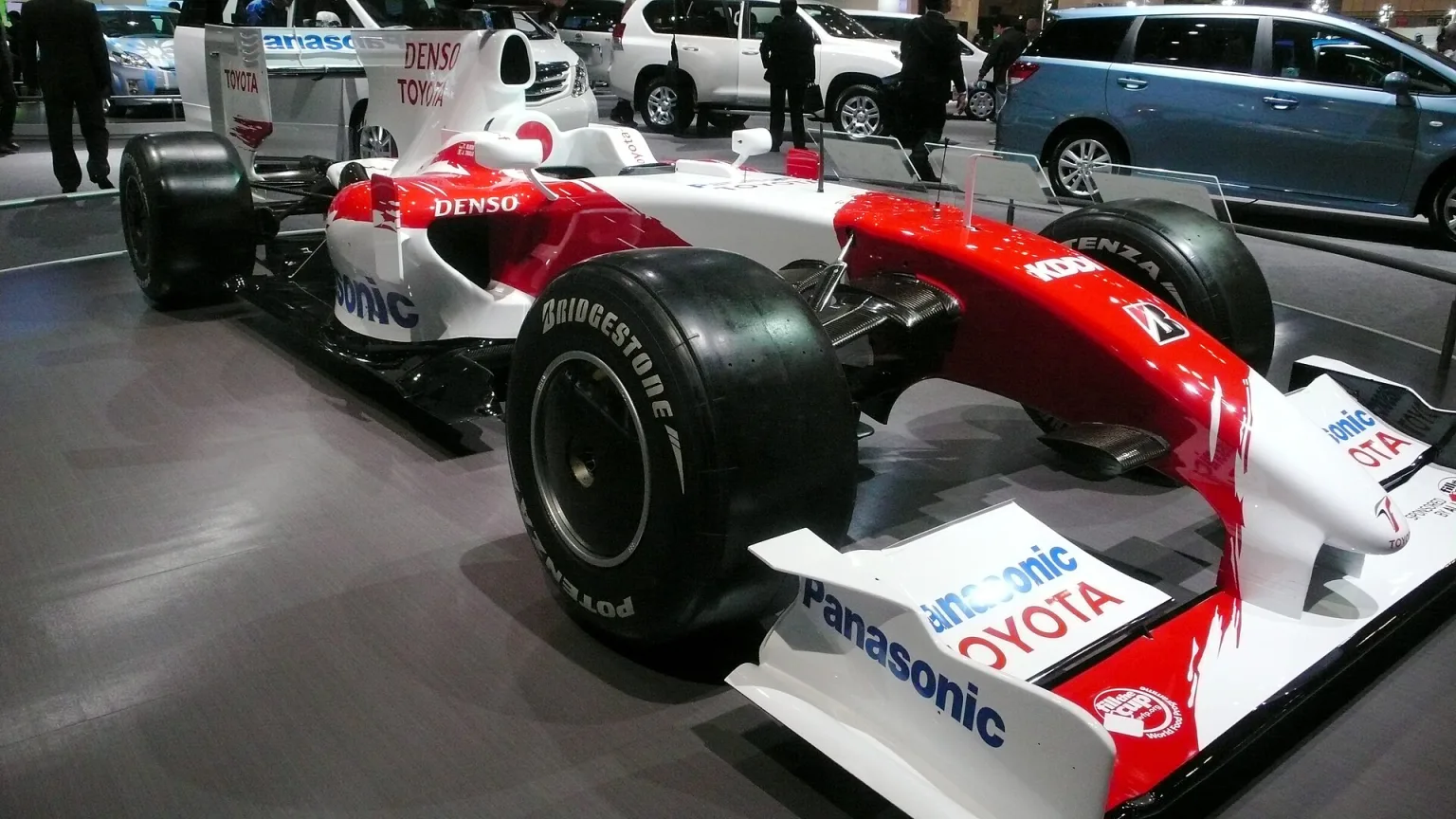
Toyota's continued presence in Formula One is under review, with team boss Tadashi Yamashina stating that the company's participation depends on financial results and ongoing cost-cutting efforts within the sport. Speaking to Japanese media in late September 2009, Yamashina made clear that Toyota's F1 future was not guaranteed as the manufacturer faced pressure from its core business.
Yamashina told reporters that Toyota would continue for the time being but stressed that the company must weigh its F1 involvement against the financial health of its main automotive business. He pointed to the high cost of competing in Formula One as a central issue, and indicated that further reductions were needed to make participation sustainable for manufacturers. "We need to turn it into an F1 where you don’t need so much money," he said.
The uncertainty comes at a time when Formula One teams and the sport’s governing bodies were locked in debate over budget caps and cost controls. Toyota F1 president John Howett was active in the Formula One Teams’ Association's push for cost reductions, but also opposed some of the FIA’s proposed budget cap measures. The lack of agreement left manufacturers like Toyota exposed to ongoing high spending, just as parent companies faced global economic pressures.
Impact on drivers and team structure
The uncertainty around Toyota’s future affected both drivers and internal planning. Negotiations with Jarno Trulli reportedly stalled while the team awaited clarity on budgets for the following season. Timo Glock, who had recently secured a podium finish in Singapore, was told he could look for opportunities elsewhere. The team’s stated aim for the 2009 season was to achieve its first Formula One victory, but off-track financial concerns overshadowed sporting targets.
Cost-cutting debate and wider F1 context
Toyota’s warning highlighted the broader struggle among manufacturers to justify the escalating costs of Formula One participation during the late 2000s. Other teams also faced financial uncertainty, with the sport’s cost structure a recurring point of contention. The FIA had published studies suggesting team budgets could be halved, but consensus on how to achieve this remained elusive. For more on the debate over F1 costs, see FIA Study Suggests Formula One Team Costs Could Be Halved
Toyota’s situation was not unique. Honda had already withdrawn from Formula One at the end of 2008, citing similar financial pressures. The possibility of another major Japanese manufacturer leaving the sport added to concerns about F1’s ability to retain factory teams during a period of global economic uncertainty. For comparison, see Honda concedes Formula One return tougher than planned
As of October 2009, Toyota had not made a final decision on its Formula One future. The team’s continued participation would depend on the outcome of internal financial reviews and the progress of cost-cutting measures across the sport.