UK Government Tests Find All Diesel Cars Exceed Lab Emissions
Department for Transport real-world testing shows every diesel car model examined emits more nitrogen oxides on the road than in laboratory conditions, with some exceeding legal limits by over tenfold.
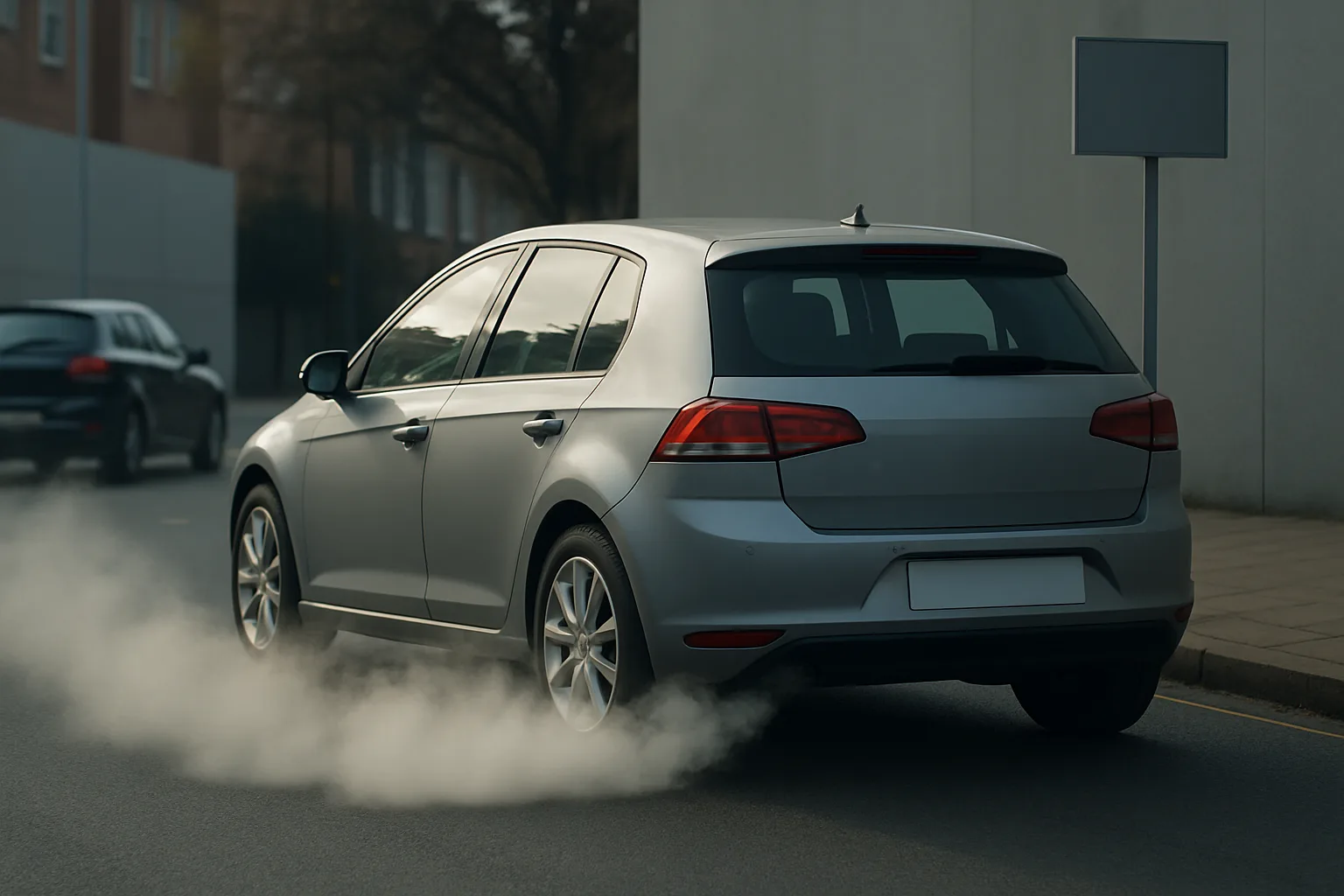
Official UK government testing has confirmed that every diesel car model examined emits more nitrogen oxides (NOx) in real-world driving than in laboratory conditions, with some models producing emissions more than ten times above the legal limit. The Department for Transport (DfT) tested 37 diesel vehicles from over 20 manufacturers, including BMW, Ford, Volkswagen and General Motors, following heightened scrutiny after the Volkswagen diesel emissions scandal.
The DfT tested 18 older Euro 5 models and 19 newer Euro 6 vehicles. Under laboratory conditions, Euro 5 cars must not exceed 180 mg/km NOx, and Euro 6 cars are limited to 80 mg/km. On the road, however, every car tested was found to emit substantially more. The lowest real-world result was still three times the regulatory limit, while the worst cases reached or exceeded ten times the permitted level.
Worst and best performers among tested diesels
The Vauxhall Insignia hatchback recorded the highest NOx emissions among Euro 5 cars, at 1,881 mg/km, over ten times the legal limit. The Range Rover Sport (1,720 mg/km) and Volvo V40 (1,549 mg/km) also posted high figures. Among Euro 6 models, the Peugeot 3008 crossover topped the list with 1,104 mg/km, followed by the Mercedes A180 at 1,035 mg/km. The Citroën C4 was the least polluting Euro 6 model tested, but still emitted three times the laboratory limit.
- Vauxhall Insignia (Euro 5): 1,881 mg/km NOx
- Range Rover Sport (Euro 5): 1,720 mg/km NOx
- Volvo V40 (Euro 5): 1,549 mg/km NOx
- Peugeot 3008 (Euro 6): 1,104 mg/km NOx
- Mercedes A180 (Euro 6): 1,035 mg/km NOx
- Citroën C4 (Euro 6): lowest tested, but still three times lab limit
Implications for manufacturers and regulation
While all models passed laboratory emissions tests and met regulatory requirements on paper, the DfT findings highlight a wide gap between official figures and real-world performance. The results echo concerns raised across Europe about the effectiveness of laboratory-based testing and the need for stricter real-world emissions standards. Manufacturers may face increased pressure from regulators and the public to address the discrepancy and invest in cleaner diesel technology or alternative powertrains.