Aluminium Prices Face Pressure as Carmakers Eye Lightweight Shift
Industry leaders warn that wider adoption of aluminium in mainstream vehicles could push prices up to $2,500 per tonne, driven by Ford’s move with the F-150.
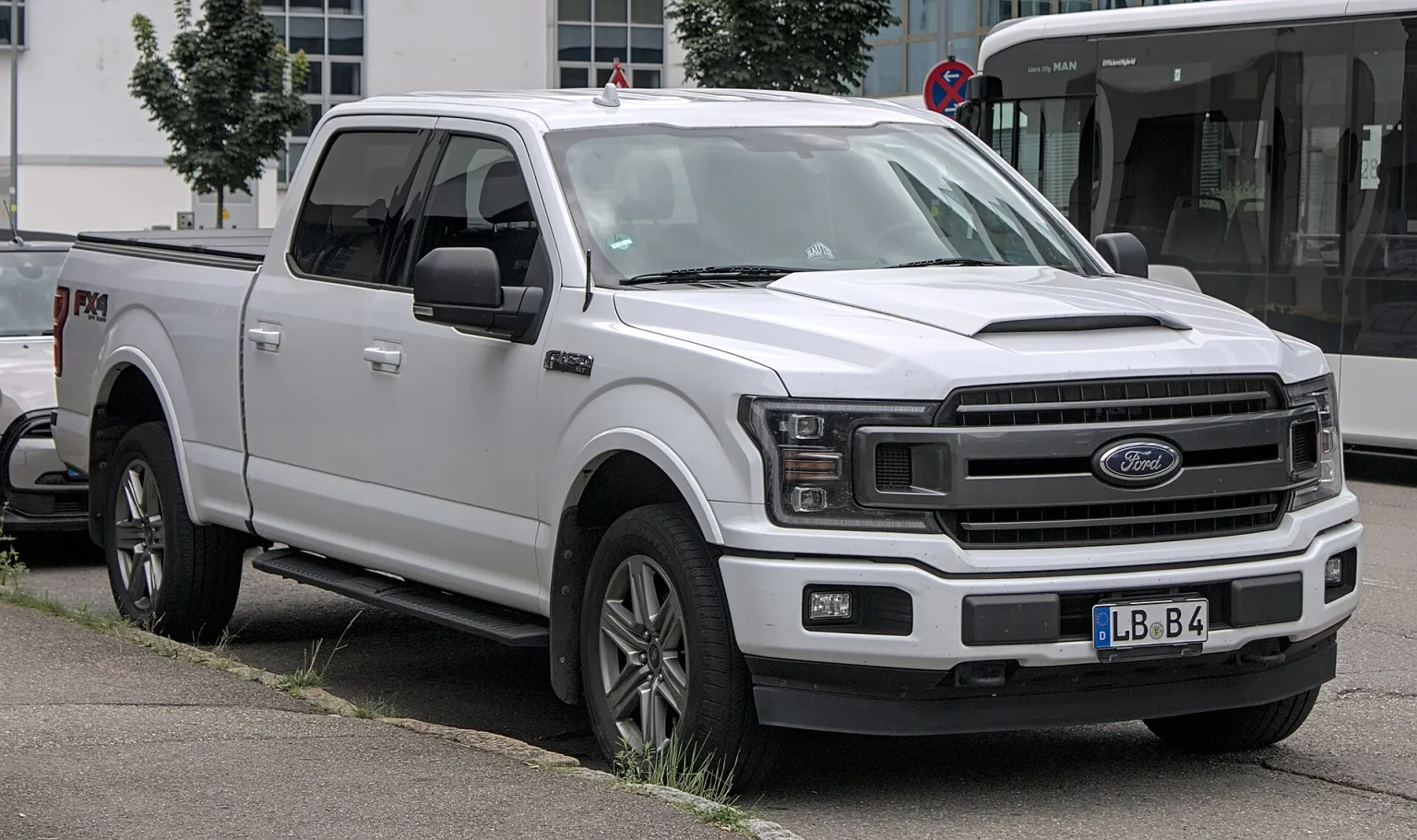
Ford’s decision to build its best-selling F-150 pickup with an aluminium body has put the metal’s price in the spotlight, with industry leaders warning that wider automotive adoption could send costs sharply higher. Takashi Ishiyama, chairman of the Japan Aluminium Association, said that if other carmakers follow Ford’s lead, prices could climb by as much as a third, reaching around $2,500 per tonne.
Traditionally, aluminium found its main automotive use in high-end or niche performance cars, where weight savings justify the additional cost. Ford’s move to use aluminium for a mass-market model marks a change in scale, with the F-150’s production volumes creating a substantial new source of demand. The F-150 has been Ford’s top seller for decades, and its shift to lighter materials is being closely watched by rivals.
Why automakers are considering aluminium
Aluminium offers several advantages over conventional steel. Its lower weight helps manufacturers reduce vehicle mass, improving fuel efficiency and emissions performance. The metal also resists corrosion, which can be a selling point for buyers in harsh climates. As regulatory pressure on emissions tightens and buyers expect better efficiency, carmakers are looking for ways to cut weight without compromising strength or safety.
- Lighter vehicles use less fuel, helping meet emissions targets.
- Aluminium does not rust, reducing long-term maintenance costs.
- Potential for improved handling and performance due to lower mass.
Potential impact on aluminium supply and price
The Japan Aluminium Association’s warning comes as producers weigh whether current supply can keep up with a major shift from steel to aluminium in mainstream vehicles. While the industry has long courted automotive customers, only a few manufacturers have committed to large-scale use. Ishiyama’s estimate of $2,500 per tonne would represent a substantial increase from prevailing prices in 2014, which hovered around $1,900 per tonne.
The prospect of higher raw material costs could affect both carmakers and suppliers. Manufacturers using more aluminium would face higher input costs, potentially impacting vehicle pricing or margins. Suppliers may need to ramp up capacity or secure long-term contracts to guarantee supply. For buyers, the shift could bring lighter, more efficient vehicles, but also the risk of higher prices if raw material costs rise sharply.
Other manufacturers are reportedly considering similar moves, but most are waiting to see whether Ford’s gamble with the F-150 pays off in sales and durability before committing to large-scale aluminium use. The next few years will show whether the rest of the industry follows Ford’s example, and whether the aluminium market can keep up.