IIHS crash tests expose safety gaps in US muscle cars
Chevrolet Camaro, Dodge Challenger and Ford Mustang V8s fall short of IIHS Top Safety Pick status after 2016 crash evaluations, with Challenger lagging behind rivals.
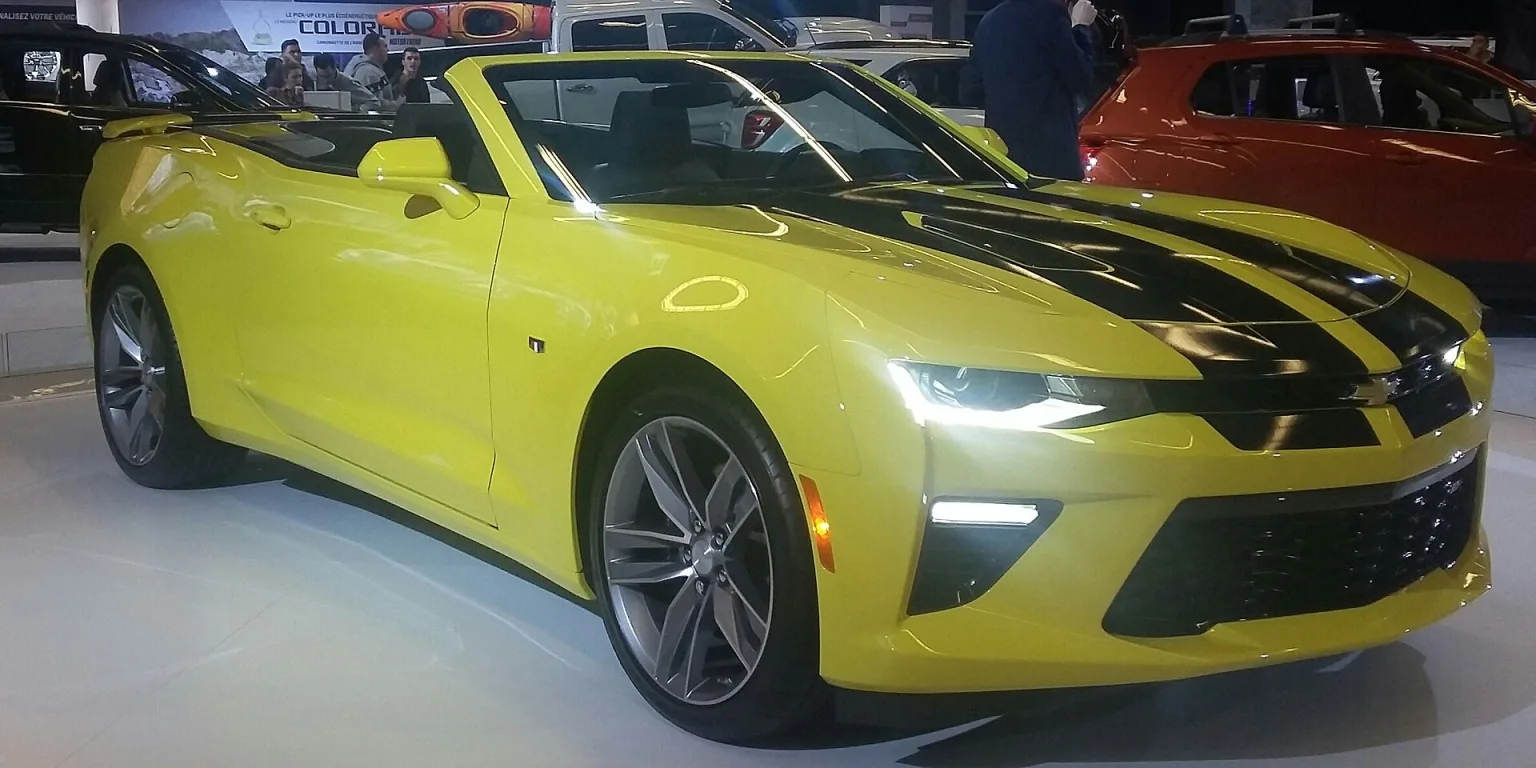
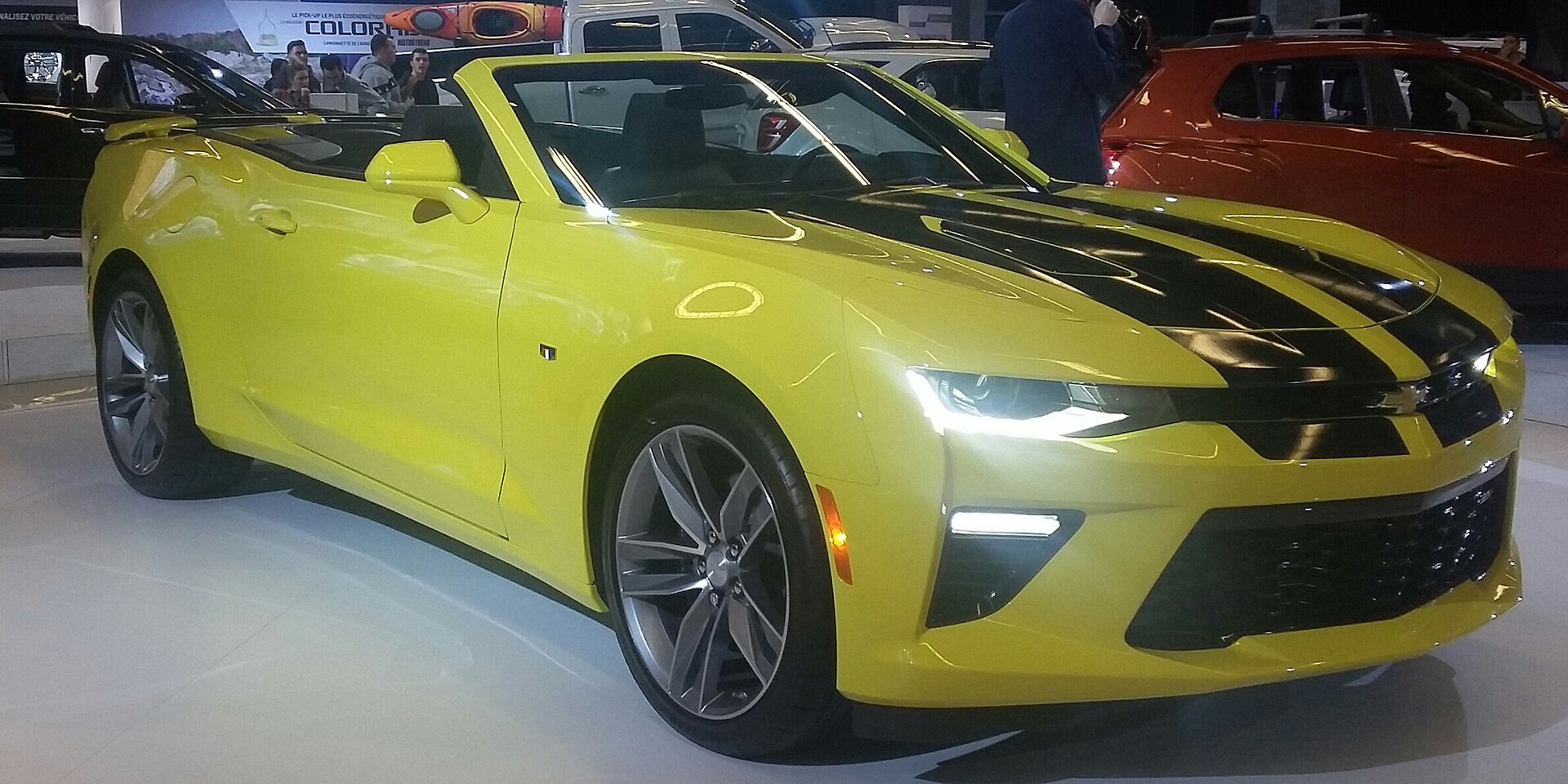
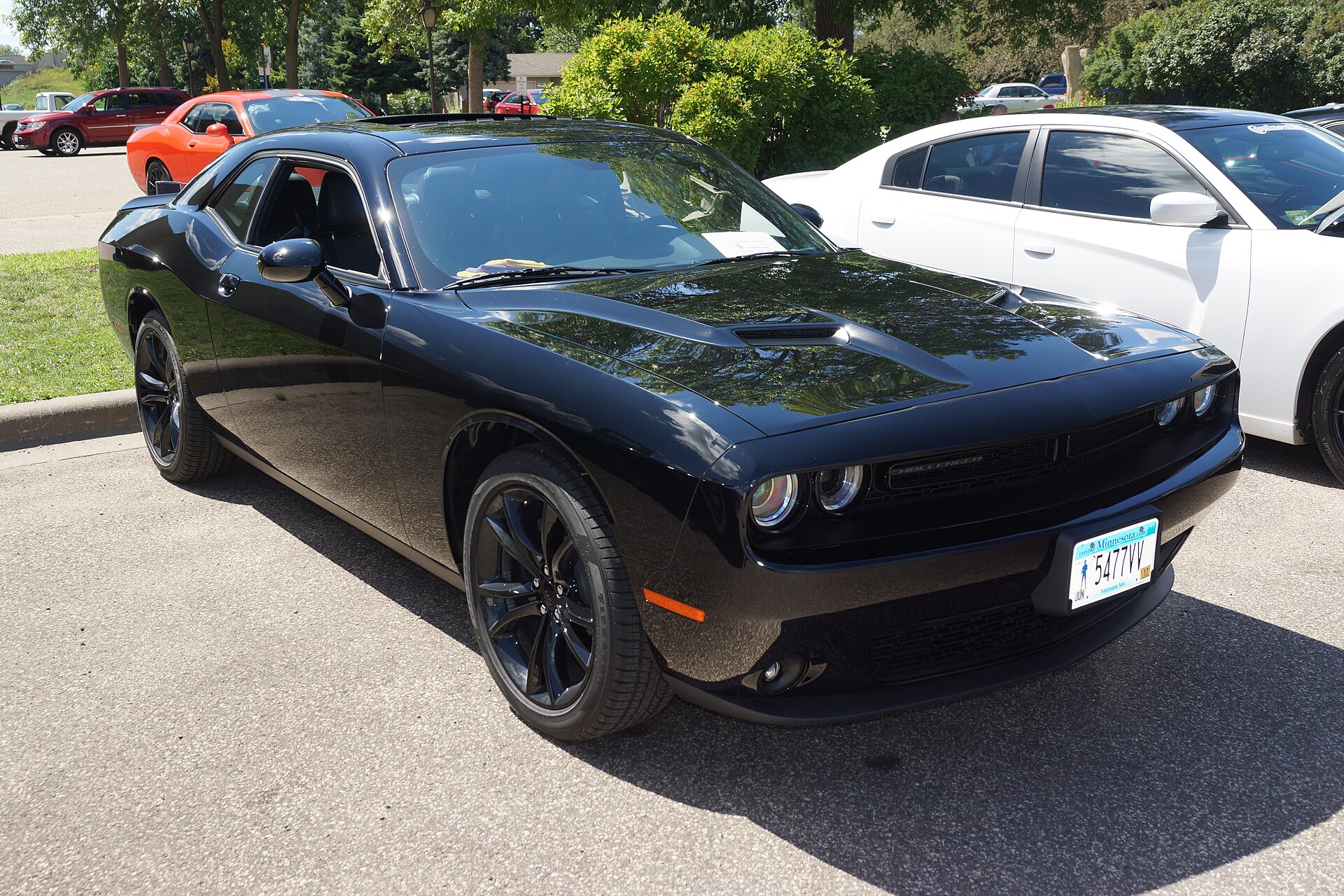
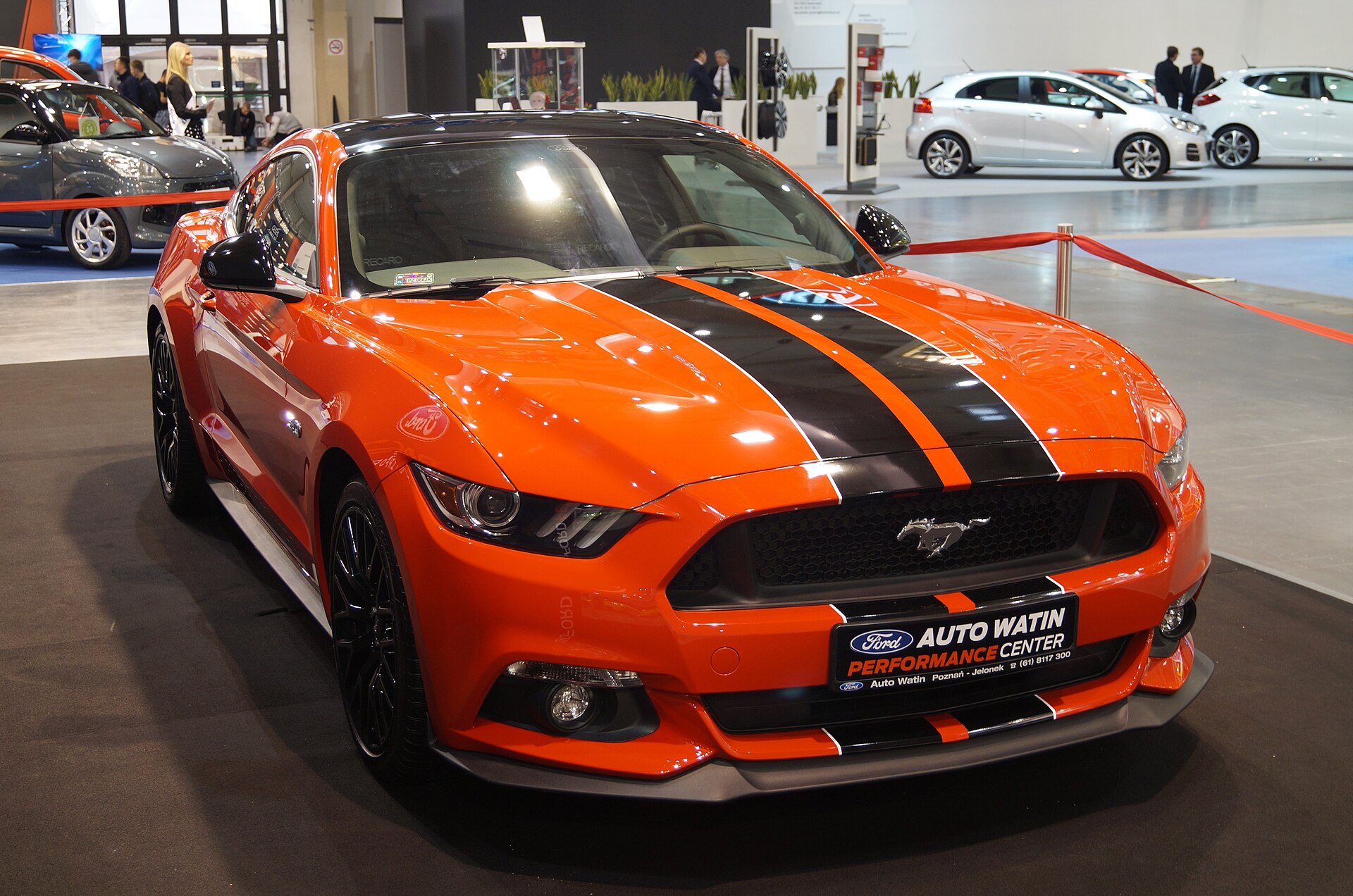
The Insurance Institute for Highway Safety has highlighted safety shortcomings in the 2016 Chevrolet Camaro, Dodge Challenger and Ford Mustang, after subjecting the trio of American muscle cars to its full battery of crash tests. None of the V8-powered coupes managed to secure the IIHS Top Safety Pick rating, with the Challenger performing worst in the latest small overlap front crash evaluation.
IIHS crash tests are not routinely applied to low-volume sports cars, but the popularity of these muscle models prompted the institute to assess their crashworthiness. All three performed well in moderate overlap front and side impact tests, earning good ratings for occupant protection. However, the small overlap front test, which simulates a collision with a tree or pole, exposed structural weaknesses, particularly in the Dodge Challenger.
Small overlap front test results
The Chevrolet Camaro was the only one of the three to receive a 'good' rating in the small overlap front test, maintaining driver survival space and minimising lower leg injury risk. The Ford Mustang's structure was less robust, earning an 'acceptable' rating, but it still outperformed the Challenger. The Dodge coupe suffered extensive intrusion into the lower occupant compartment, limiting driver survival space and resulting in poor ratings for structure and leg/foot protection. IIHS described the Challenger as “most in need of improvement.”
Crash prevention systems missing
Beyond crash structure, the availability of crash prevention technology also affected ratings. The Camaro fell short in this category, lacking an available front crash prevention system at the time of testing. Advanced driver assistance features are increasingly required for the highest IIHS safety awards, and their absence in these muscle cars further hampered their scores.
Muscle cars and safety expectations
The IIHS pointed out that sports cars like these typically have higher crash rates, so strong occupant protection is especially important. While the Mustang came closest to a Top Safety Pick, all three fell short of the standards set by mainstream saloons and hatchbacks in recent years. Buyers prioritising crash safety may wish to look at the latest IIHS Top Safety Pick list, where models such as the Audi A3 have earned top marks (see Audi A3 Sedan earns IIHS Top Safety Pick Plus rating).