Sliding doors: convenience or compromise for family cars?
Sliding doors return with the Ford B-Max, promising easier access, but their real-world value for buyers and manufacturers is more complicated than marketing suggests.
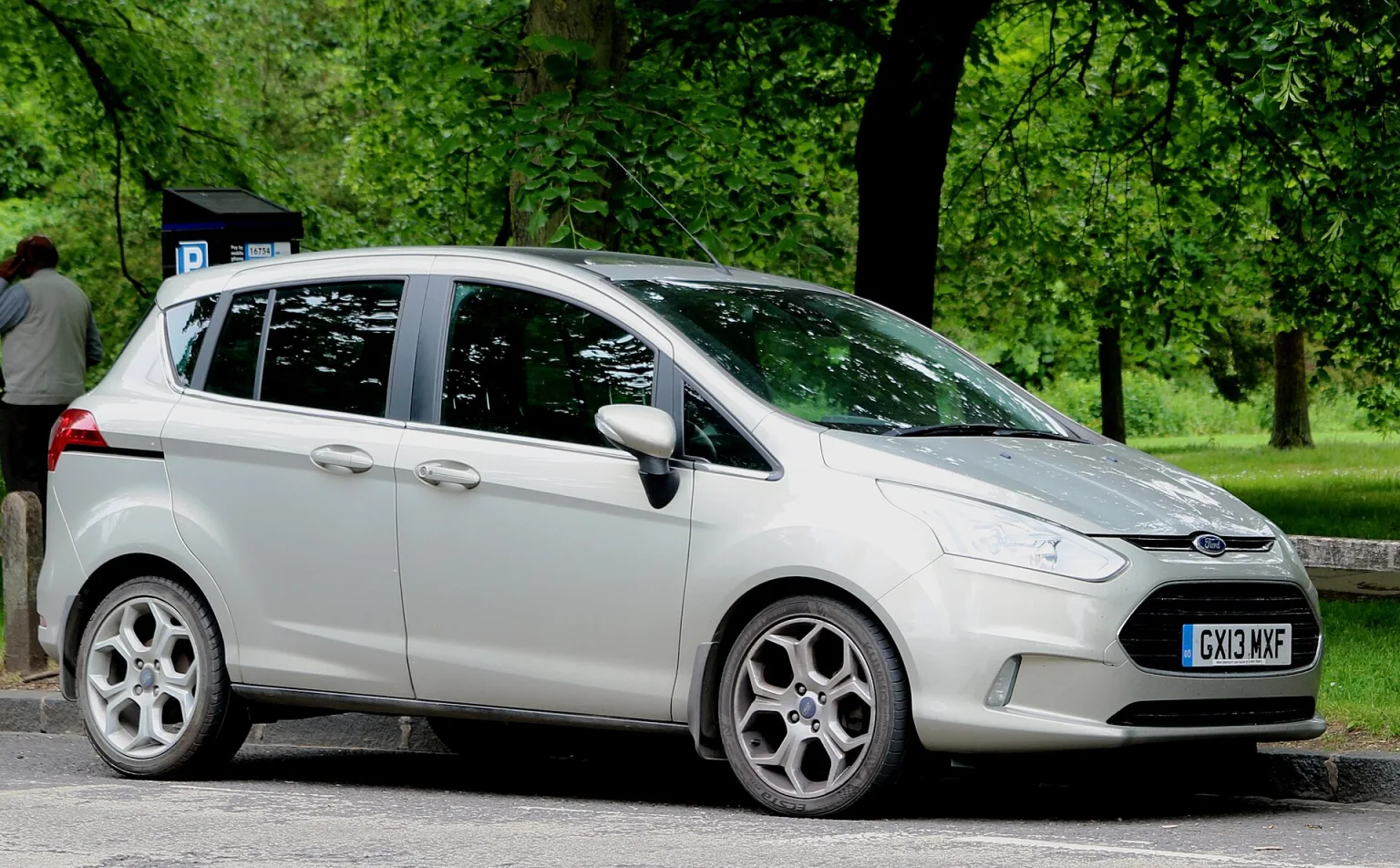
Ford brought sliding doors back to the small car market with the B-Max, unveiled at the 2012 Moscow Motor Show. Built in Romania and based on the Fiesta platform, the B-Max replaced the Fusion and aimed to attract families with its easy-access rear sliding doors. While the feature is familiar on larger MPVs and vans, it remains rare on compact cars, raising the question of whether sliding doors are genuinely what buyers want or just a marketing flourish.
Why manufacturers return to sliding doors
Sliding doors offer a clear advantage in tight parking spaces, especially in urban settings where parents need to load children or shopping. Ford’s pitch for the B-Max focused on convenience: with no central B-pillar, the wide opening makes fitting child seats or helping passengers in and out easier. This kind of access is difficult to achieve with conventional hinged doors on a car of this size.
Manufacturers have revisited sliding doors at various points, often when launching new MPVs or seeking to differentiate a model in a crowded segment. The Renault Kangoo and Citroën Berlingo, both derived from van platforms, have made sliding doors a practical selling point for years. Ford’s decision to fit them to the B-Max was a calculated attempt to stand out in the small MPV market as rivals like Kia and Hyundai increased pressure on mainstream brands.
The trade-offs for buyers
Sliding doors are not without drawbacks. They add weight and complexity, which can affect fuel efficiency and handling. Safety is another concern: removing the central B-pillar, as Ford did on the B-Max, required reinforcing the doors themselves, which can restrict access and make fitting child seats fiddlier than expected. There are also mechanical risks if the doors are opened while the car is moving, as the heavy sliding mechanism can create hazards in sudden stops.
For some buyers, especially those with young children or mobility needs, the convenience of sliding doors outweighs the compromises. For others, especially those who value driving dynamics or lower running costs, the extra weight and complexity are less appealing. The B-Max’s predecessor, the Fusion, never found a strong following, but Ford hoped that the new door system would broaden the car’s appeal. In practice, the B-Max’s sales were steady but never threatened to reshape the segment.
Sliding doors and the wider market
Sliding doors remain a niche feature outside the van and large MPV market. While they offer genuine advantages for specific buyers, most manufacturers continue to favour conventional doors for small cars and crossovers. The B-Max’s sliding doors were a talking point, but they did not spark a wider trend among rivals. For buyers considering a small family car, the choice between sliding and hinged doors still comes down to individual priorities rather than a clear industry shift.
- Sliding doors: easier access in tight spaces, especially for families with young children.
- Conventional doors: lighter, simpler, and usually cheaper to repair.