Japan and China take rival paths in alternative fuel race
China is backing battery-electric vehicles while Japan invests in hydrogen, as the two Asian auto giants pursue competing visions for the future of alternative power.
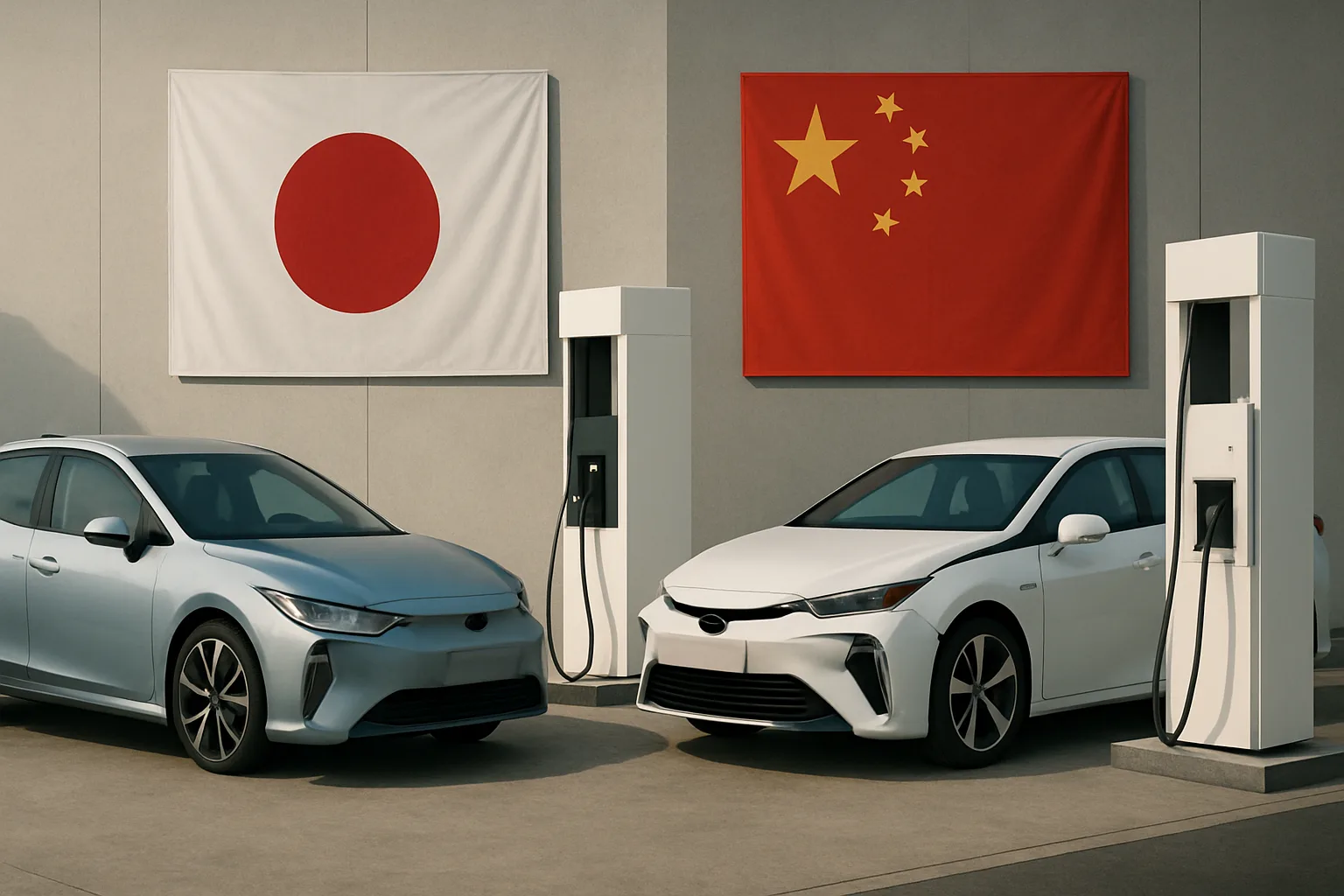
China and Japan have set out on diverging routes in the race to dominate alternative fuel technologies, with each government steering its domestic auto industry towards a different solution. China, now the world’s largest car market, is pushing battery-electric vehicles, while Japan is committing to hydrogen fuel cells as part of a broader national strategy.
The Chinese government has made battery-electric cars central to its industrial policy, aiming to address severe air pollution and build a globally competitive auto sector. State support has led to rapid growth in domestic EV production and sales, with Chinese brands expanding their reach both at home and abroad. China’s approach is underpinned by the belief that battery technology offers a quicker route to scale and export markets.
Japan, by contrast, is pursuing what it calls a “hydrogen society”, investing in fuel cell development and the infrastructure needed to support it. The Japanese government sees hydrogen as a long-term solution that could power not only vehicles but also homes and industry. Major Japanese manufacturers have rolled out fuel cell models and are lobbying for further infrastructure investment.
Industry rivalry and global consequences
The clash between battery and hydrogen technology is shaping global supply chains and investment priorities. Japanese and Chinese manufacturers are competing to set future standards, with billions at stake. The outcome could decide which country’s technology becomes the default for decades, affecting suppliers, jobs and export prospects across Asia and beyond.
- China focuses on battery-electric cars for mass adoption.
- Japan invests in hydrogen fuel cell vehicles and infrastructure.
- South Korea develops both but remains a smaller player.
South Korea, while active in both technologies, remains a secondary player compared to its larger neighbours. Its manufacturers are developing both battery and fuel cell vehicles but lack the scale and government backing seen in China and Japan.
What it means for manufacturers and buyers
For carmakers, the split means major decisions on research, supply chains and export strategy. Japanese firms are betting that hydrogen’s longer-term potential will pay off, while Chinese companies are moving quickly to capture global EV market share. Buyers will see different options depending on which technology their country or region supports, and infrastructure investment will be crucial to adoption rates.