Autoliv Develops Automatic In-Car Alcohol Detection System
Autoliv is testing a contactless breath sensor that could automatically detect alcohol in a driver’s breath, aiming for mass production within five years.
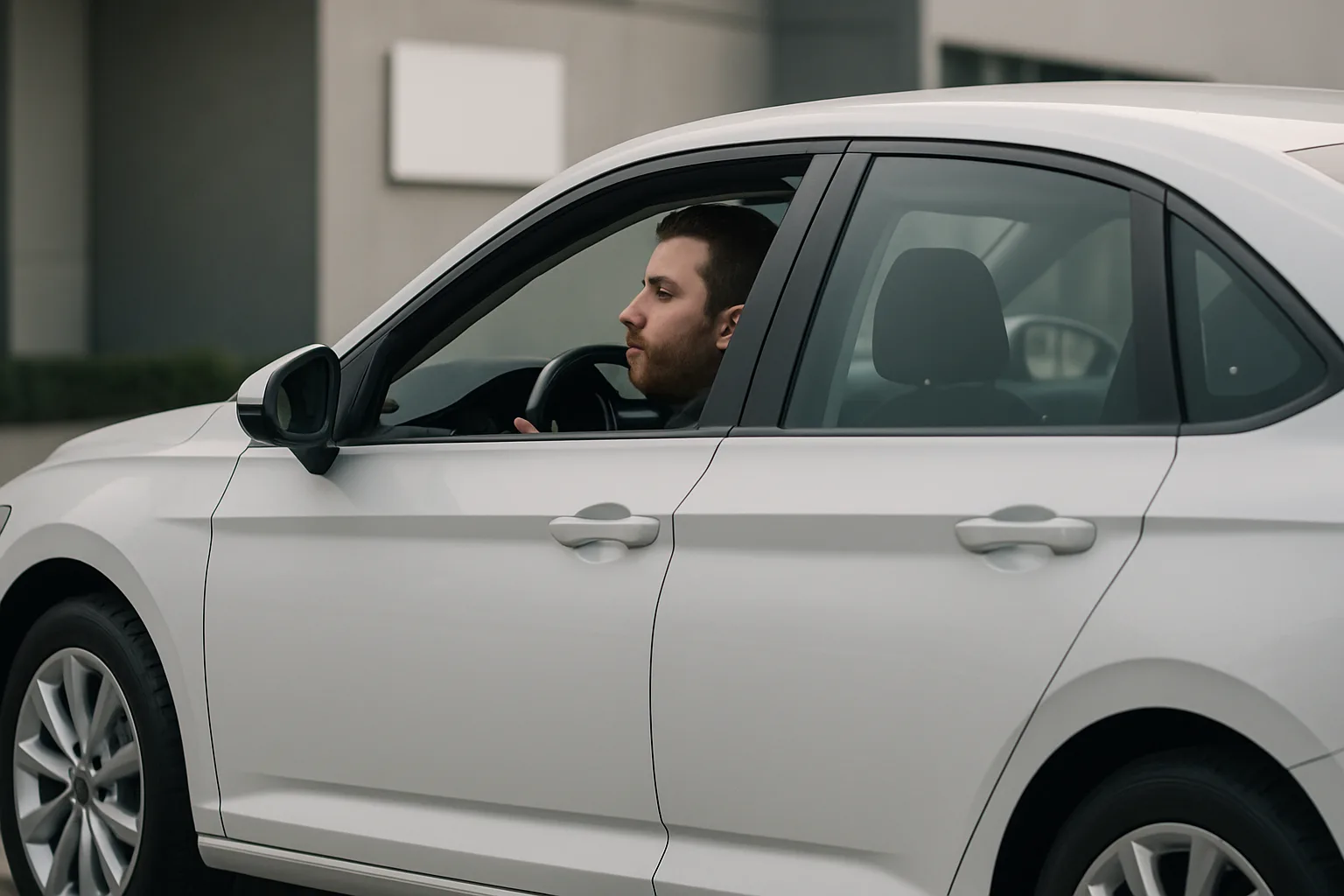
Autoliv, the Swedish automotive safety systems supplier, is taking a significant step in the fight against drink-driving with its development of a new automatic in-car alcohol breath sensor. This innovation aims to detect a driver’s alcohol level seamlessly, without the need for direct action or interaction, as soon as the driver enters the vehicle. The company expects to have the system ready for mass production within five years, reflecting a broader industry move towards active safety technologies.
Autoliv's New Approach to Drink-Driving Prevention
Drink-driving remains one of the leading causes of road fatalities worldwide, with industry data suggesting that around 30 percent of all road deaths are linked to alcohol-impaired driving. Traditional alcohol interlock devices, such as Alcolock, require drivers to blow into a tube before starting the car. Autoliv’s new system, however, is designed to operate automatically and contactlessly, sampling the air inside the vehicle cabin to analyse the driver's breath for alcohol content.
How the Automatic Breath Sensor Works
Unlike previous systems, Autoliv’s breath sensor does not require the driver to blow into a tube. Instead, it operates seamlessly in the background, analysing the air as soon as the driver enters the car. If the sensor detects that the driver’s blood alcohol content exceeds legal limits, the system can intervene by preventing the car from starting or by alerting the driver. The technology is intended to be unobtrusive, so drivers are not aware of its presence during normal use, making it more likely to be accepted by both manufacturers and end users.
Potential Impact on Road Safety
The introduction of a contactless, automatic alcohol detection system could have a significant impact on road safety. By removing the need for user interaction, the technology may encourage wider adoption by car manufacturers, especially if it can be offered at a competitive price. If implemented broadly, such systems could help reduce the number of accidents and fatalities caused by drink-driving, contributing to safer roads for all users.
Autoliv’s Shift from Passive to Active Safety
Autoliv has traditionally been known for its passive safety devices, such as seatbelts and airbags, which are designed to protect occupants in the event of a crash. In recent years, however, the company has shifted its focus towards active safety systems, which aim to prevent accidents before they happen. The automatic breath sensor is a key example of this new direction. According to CEO Jan Carlson, Autoliv is now investing significantly more in active research and development, underlining the growing importance of proactive safety technologies in the automotive sector.
Other Active Safety Innovations: Night Vision Technology
Beyond alcohol detection, Autoliv is developing other active safety technologies. One notable innovation is its Night Vision system, which uses infrared cameras to detect pedestrians and, with its latest update, animals in the road ahead during night-time driving. The third generation of this system is set to launch this year, aiming to alert drivers to hazards that may not be visible with standard headlights. This technology further demonstrates Autoliv’s commitment to reducing accidents by providing drivers with more information and earlier warnings about potential dangers.
Challenges and Next Steps
While the automatic in-car breath sensor is currently undergoing testing, several challenges must be addressed before it can be widely implemented. These include ensuring the sensor’s accuracy and reliability in a variety of real-world conditions, integrating the system seamlessly into different vehicle models, and maintaining a cost structure that is attractive to car manufacturers. The timeline for mass production will depend on the success of ongoing trials and the level of interest from automotive companies.
Industry Context and Future Prospects
Autoliv’s development of active safety systems is part of a broader trend in the automotive industry. With increasing attention on reducing traffic accidents and fatalities, both car manufacturers and suppliers are investing heavily in technologies that can prevent dangerous situations before they arise. Alcohol detection systems, advanced driver assistance features, and improved night vision capabilities are all contributing to this shift. If Autoliv’s automatic breath sensor proves successful and cost-effective, it could set a new standard for in-car safety and potentially influence future regulatory requirements.
Conclusion
Autoliv’s automatic, contactless in-car alcohol breath sensor represents a promising advance in automotive safety. By focusing on active safety and seamless integration, the company aims to make roads safer and reduce the toll of drink-driving. The coming years will be crucial as the technology is tested and prepared for mass production, with the potential to save lives and shape the future of vehicle safety systems.
| Type | Contactless in-car alcohol breath sensor |
|---|---|
| Operation | Automatically detects alcohol as driver enters vehicle |
| User Interaction | No tube required; unobtrusive system |
| Development Status | Currently in testing phase |
| Expected Mass Production | Within five years (pending successful trials) |
| Target Market | Automotive manufacturers |
| Company Focus | Active safety systems |