Automakers Move Into Mobility Services as Car Ownership Shifts
Major carmakers are investing in mobility platforms and services, aiming to secure their position as urban transport habits change and traditional car sales face new pressures.
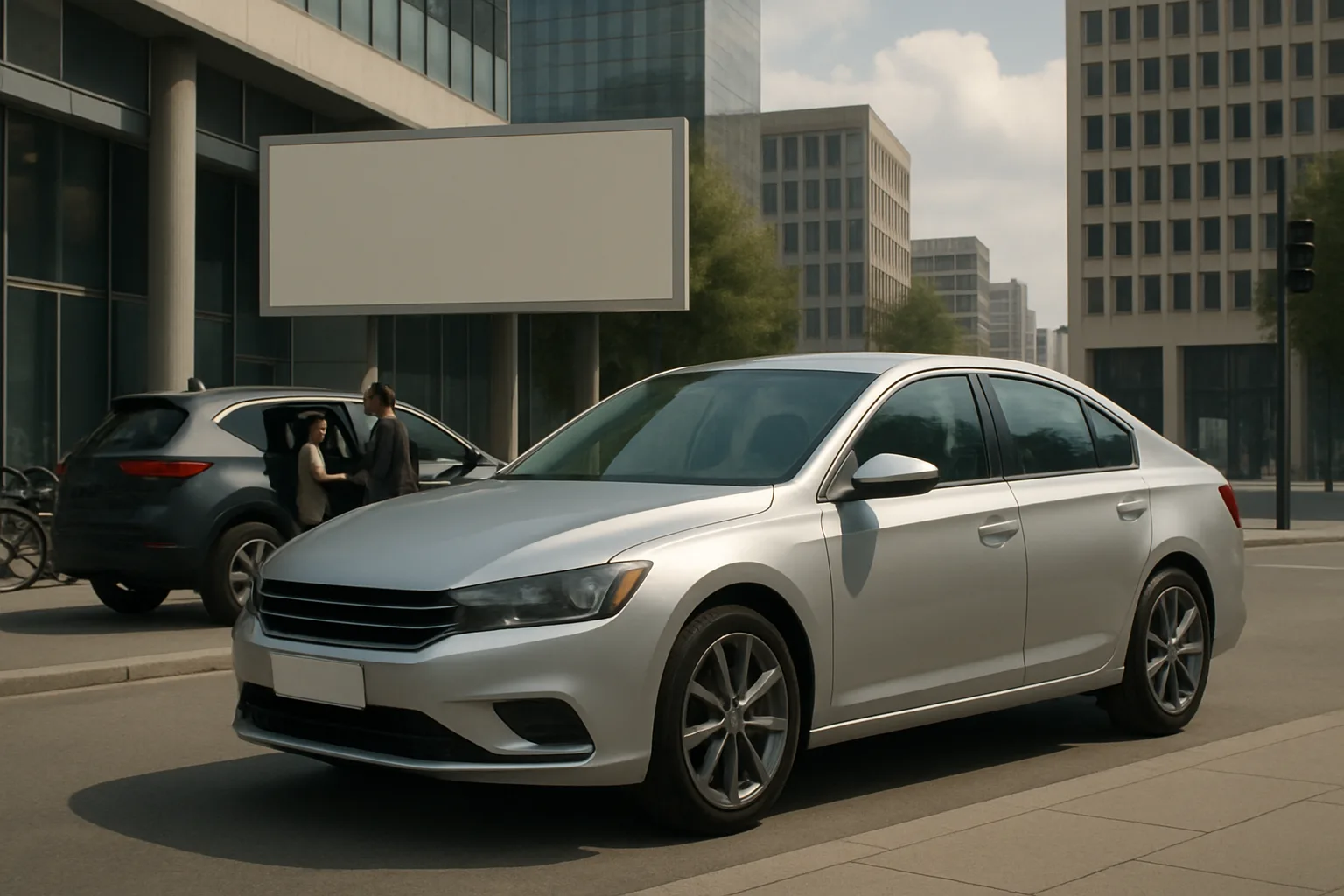
Daimler’s acquisition of mobility app RideScout in September 2014 signalled a clear shift for traditional carmakers: the world’s largest automotive companies are no longer content to focus solely on selling vehicles. As urban transport habits evolve and private car ownership faces new pressures, manufacturers are moving into mobility services to secure future relevance.
Why automakers are investing in mobility services
The move towards mobility services is driven by a combination of slowing growth in mature car markets, rising urbanisation, and changing attitudes among younger consumers. In cities, congestion, restricted parking and environmental regulations are making car ownership less attractive. At the same time, digital technology enables new ways to access transport on demand, from car sharing to ride-hailing and integrated journey planning.
Daimler, for example, added RideScout to its existing moovel platform, which already allowed users in Germany to plan journeys using a mix of taxis, bikes, car sharing, buses and trains. By 2014, moovel and RideScout together offered access to mobility options in dozens of cities across the US, Canada and Germany. The aim is to keep Daimler at the centre of urban mobility, even if fewer people choose to buy their own cars.
Beyond Daimler: industry-wide shifts
Other automakers are pursuing similar strategies. BMW, for instance, has invested in DriveNow and ReachNow, while General Motors has backed Maven and other mobility ventures. Toyota and Ford have also experimented with car sharing and ride-hailing pilots, and have opened research centres in technology hubs to accelerate their mobility offerings. These moves reflect a broader recognition that the future of transport may be less about ownership and more about access.
For automakers, the challenge is to develop business models that generate revenue from services rather than simply moving metal. This means adapting to a world where customers expect to use cars only when needed, often via a smartphone app, and may never visit a dealership. The risk is that if they do not act, technology firms or start-ups could capture the lucrative urban mobility market.
What this means for automakers and consumers
For carmakers, investing in mobility services is partly an insurance policy against declining car sales in urban markets. It also offers a route to gather valuable data on travel habits, which can inform future product development and partnerships. For consumers, the benefit is greater flexibility, access to cars, bikes, or public transport as needed, without the costs and responsibilities of ownership.
- Daimler: moovel, RideScout, car2go
- BMW: DriveNow, ReachNow
- General Motors: Maven
- Ford: Research centre in Silicon Valley, mobility pilots
- Toyota: Car sharing and ride-hailing experiments
As mobility services become more established, automakers will need to balance traditional manufacturing with these new digital ventures. The next decade will test which companies can adapt their business models to a world where getting from A to B is no longer synonymous with owning a car.