Automated Vehicles Bill and Autonomous Taxi Launch Put UK at Forefront of Self-Driving Sector
London’s first supervised autonomous taxi service and new legislation highlight the UK’s ambitions in self-driving technology, with industry forecasts pointing to major safety and economic gains.
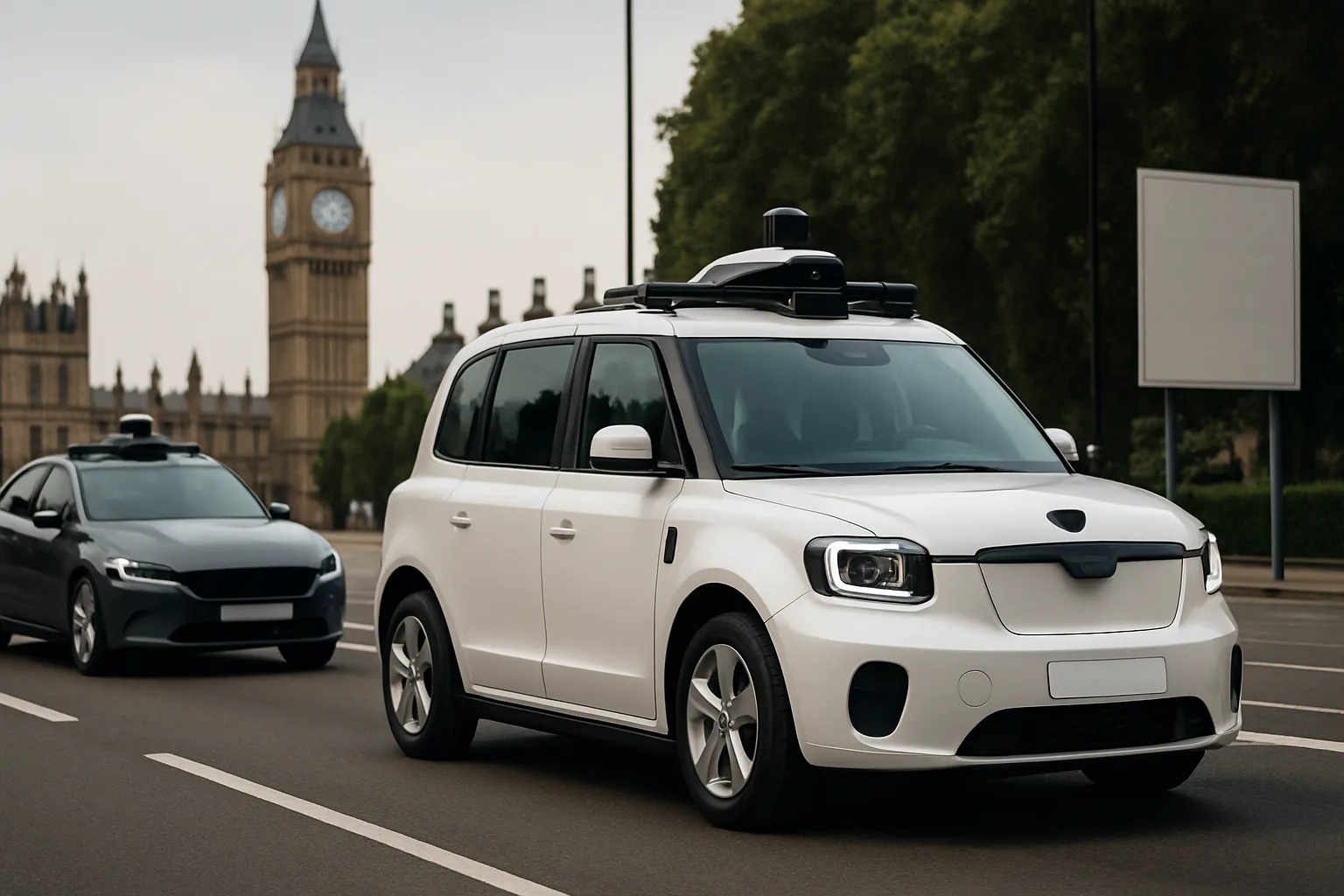
The UK’s push into autonomous vehicles has gathered pace, with the Automated Vehicles Bill and the launch of a supervised autonomous taxi service in London positioning the country as a leader in the field. Wayve and Uber’s new passenger service marks a step forward for real-world deployment, as the government seeks to set the regulatory tone for the sector.
Legislation and real-world deployment
The Automated Vehicles Bill is designed to give the UK a clear regulatory framework for autonomous cars, with a particular focus on enabling robotaxi services. The government’s legislative approach is intended to attract investment and encourage trials, setting the groundwork for broader commercial use. The recent launch of Wayve and Uber’s supervised autonomous taxi service in London brings this strategy off the page and onto the road, giving the public and industry a first look at how these systems work in practice.
The UK’s approach contrasts with some other jurisdictions, where regulatory uncertainty or restrictions have slowed deployment. For comparison, Germany and the US have seen regional trials, but the UK’s centralised legislative move is intended to accelerate national rollout. For more on international developments, seeBMW and Mercedes-Benz Begin Public Autonomous Vehicle Trials in Germany.
Market context and economic impact
The UK car market has now recorded nine consecutive months of growth, with August 2026 the best performing August since the biannual numberplate change was introduced. Battery electric vehicles accounted for almost 30% of new car registrations that month, while vans reached a record 16.3% EV share. Despite this, both car and van markets are still trailing the year-to-date targets set by the government’s zero-emission vehicle (ZEV) mandate.
Industry research suggests autonomous vehicle technology could prevent thousands of fatalities and tens of thousands of serious accidents in the UK by 2040. The economic potential is also considerable, with estimates putting the benefit at £66 billion. These forecasts underpin the government’s push to secure a leading position in the sector, with the Automated Vehicles Bill seen as a foundation for future growth.