AvtoVAZ Returns to Profit After Years of Losses
The Russian carmaker posted a net profit of 1 billion rubles in the second quarter of 2010, reversing a long period of heavy losses and production decline.
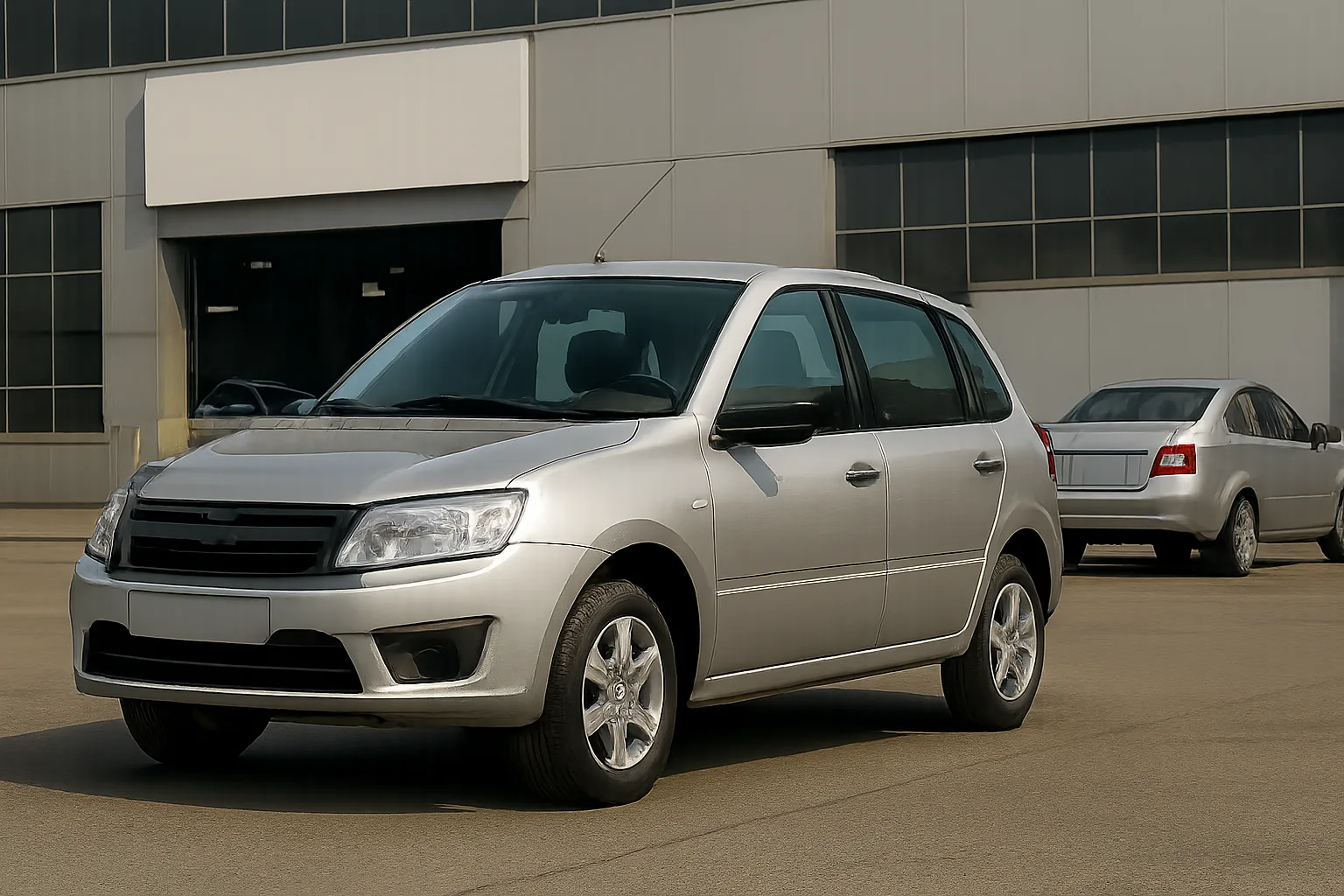
AvtoVAZ, Russia’s largest carmaker, reported a net profit of 1 billion rubles (approximately 32.4 million US dollars) for the second quarter of 2010, marking its first profitable quarter in several years.
The turnaround came after a difficult period for the Togliatti-based manufacturer. In the final quarter of 2009, AvtoVAZ posted a net loss of 18.75 billion rubles (about 608 million dollars), and the company remained in the red through the first quarter of 2010, losing 2.58 billion rubles (83.7 million dollars).
AvtoVAZ CEO Igor Komarov presented the results to then-Prime Minister Vladimir Putin, highlighting that sales in the second quarter had doubled compared with the first three months of the year. The surge in sales helped the company move back into profit after a prolonged slump that saw output drop by 44 percent in 2009, with just 349,500 vehicles built that year.
Sales recovery and future targets
The company’s recovery in sales was driven by a combination of factors, including government support for the Russian car industry and renewed consumer demand. The sharp increase in deliveries between the first and second quarters of 2010 provided a much-needed boost to AvtoVAZ’s finances after a year of deep losses and production cuts.
Looking ahead, AvtoVAZ set an ambitious target of raising annual output to 1.2 million vehicles by 2020. The plan calls for around 70 percent of production to remain focused on the Lada family, which at the time was still largely based on designs developed in the 1980s. The company faced ongoing challenges with perceptions of outdated styling and assembly quality, but management was aiming to modernise the range and improve competitiveness.
Context: past losses and production cuts
The scale of AvtoVAZ’s losses in 2009 reflected the severity of the downturn in Russia’s car market during the global financial crisis. Production at the Togliatti plant fell from over 600,000 units in previous years to just under 350,000. The company relied on state support to weather the worst of the crisis, with the government providing both financial assistance and measures to stimulate domestic car sales.
- Q4 2009: Net loss of 18.75 billion rubles (608 million USD)
- Q1 2010: Net loss of 2.58 billion rubles (83.7 million USD)
- Q2 2010: Net profit of 1 billion rubles (32.4 million USD)
By mid-2010, AvtoVAZ’s return to profit was seen as a sign that the Russian car market was stabilising, though the company still faced a long road to sustained profitability and modernisation. The management’s focus remained on rebuilding sales volume and updating the Lada range to meet both domestic and export demand.