Bentley Sticks With W12 as Rivals Go Electric
While competitors like Ferrari and Porsche move towards electrification, Bentley doubles down on its traditional W12 petrol engine and delays a full shift to electric power.
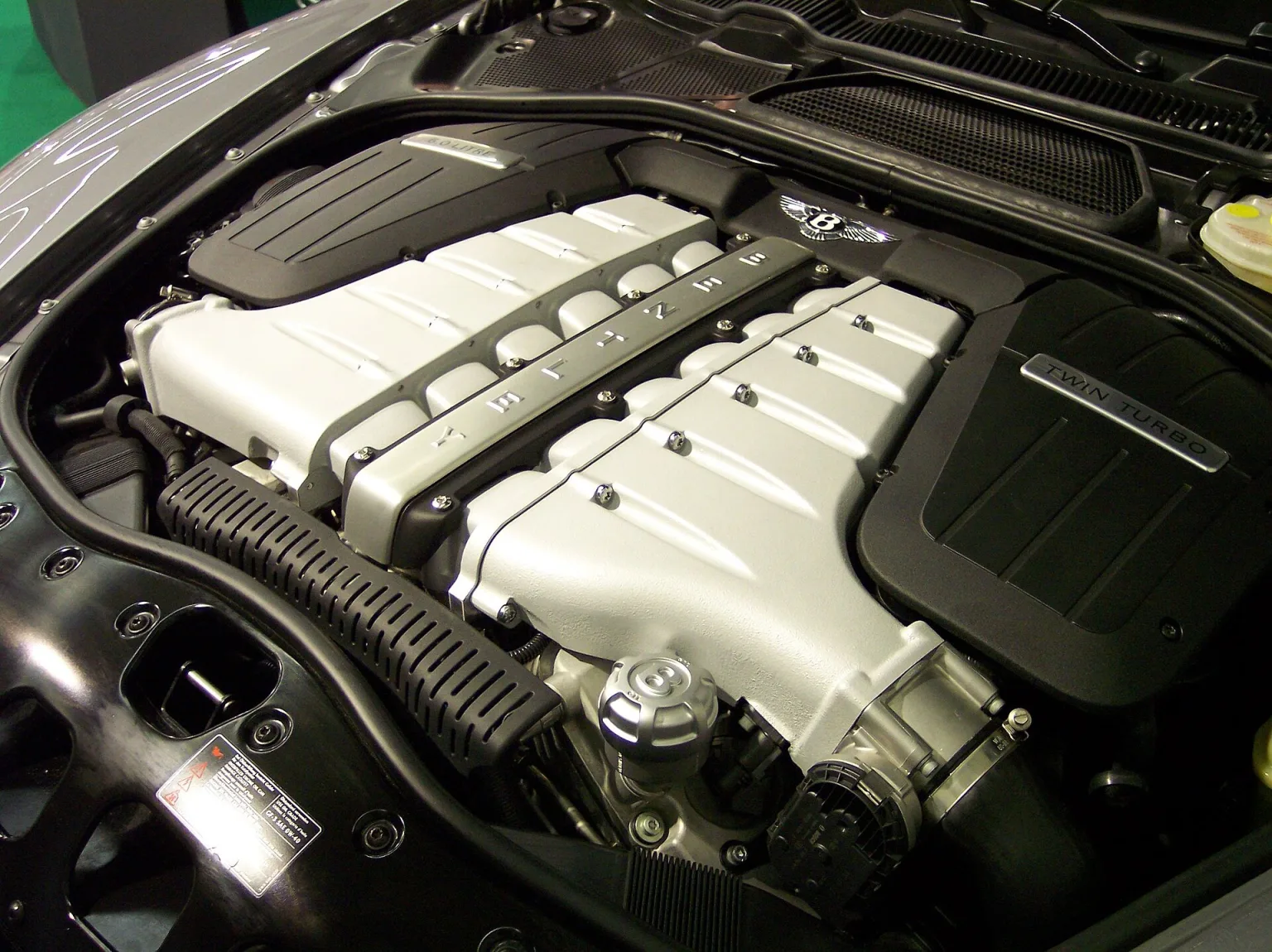
Bentley confirmed in October 2013 that it would continue to prioritise its 12-cylinder petrol engines, even as rivals in the luxury and performance segments ramped up investment in electric and hybrid powertrains. The company’s board credited strong global sales of W12-powered models, particularly the Continental GT Speed and its convertible sibling, for reinforcing Bentley’s position in the top tier of luxury motoring.
Bentley’s W12 Stands Apart as Competitors Shift
The statement came as Ferrari, Porsche, Jaguar and McLaren were all testing or launching electric or hybrid flagships. Even Rolls-Royce, long associated with traditional luxury, had developed the 102EX electric concept to gauge customer interest. Against this backdrop, Bentley’s insistence on the W12 set it apart from other luxury marques, at least for the time being.
Bentley’s board members said that customers identified the brand with 12-cylinder technology, and that continued demand justified the company’s approach. The W12 engine, a centrepiece of the Continental GT Speed range, remained a key differentiator as competitors looked to electrification for both performance and emissions compliance.
Efficiency Gains in V8 Models
Bentley’s V8-powered Continental variants also received attention, with the company highlighting fuel efficiency improvements of up to 40 percent compared to earlier models. These gains came from cylinder deactivation, lighter components and revised aerodynamics. Bentley said performance was not compromised, allowing the marque to maintain its reputation while addressing tightening emissions regulations in Europe and elsewhere.
Hybrid Plans and Regulatory Pressure
Despite its public commitment to petrol power, Bentley acknowledged that stricter emissions rules would eventually require a shift in strategy. The company confirmed it was developing a plug-in hybrid solution, likely to debut in its planned SUV, which was then targeting a 2016 launch. This would allow Bentley to offer lower-emission options without abandoning its traditional engines immediately.
- Bentley’s W12 remains at the heart of its flagship models.
- Rivals introduce electric and hybrid options to their luxury line-ups.
- Bentley V8 models improve efficiency through technology.
- Plug-in hybrid development underway for future Bentley SUV.
What It Means for Buyers and the Market
For buyers, Bentley’s stance in 2013 meant the continued availability of large-capacity petrol engines at a time when many luxury brands were moving towards electrification. The company’s gradual approach offered traditionalists a familiar option, while its hybrid plans signalled an eventual shift to meet regulatory and market demands.
With the industry’s focus on electric vehicles growing, Bentley’s position in 2013 marked a deliberate pause before joining the electric movement. The company’s future models, especially SUVs, were expected to bridge the gap between tradition and new technology.