US Secret Service opens bid for next presidential limousine
The US government has begun the search for a new presidential limousine, with the Department of Homeland Security aiming to award the contract by August 2014.
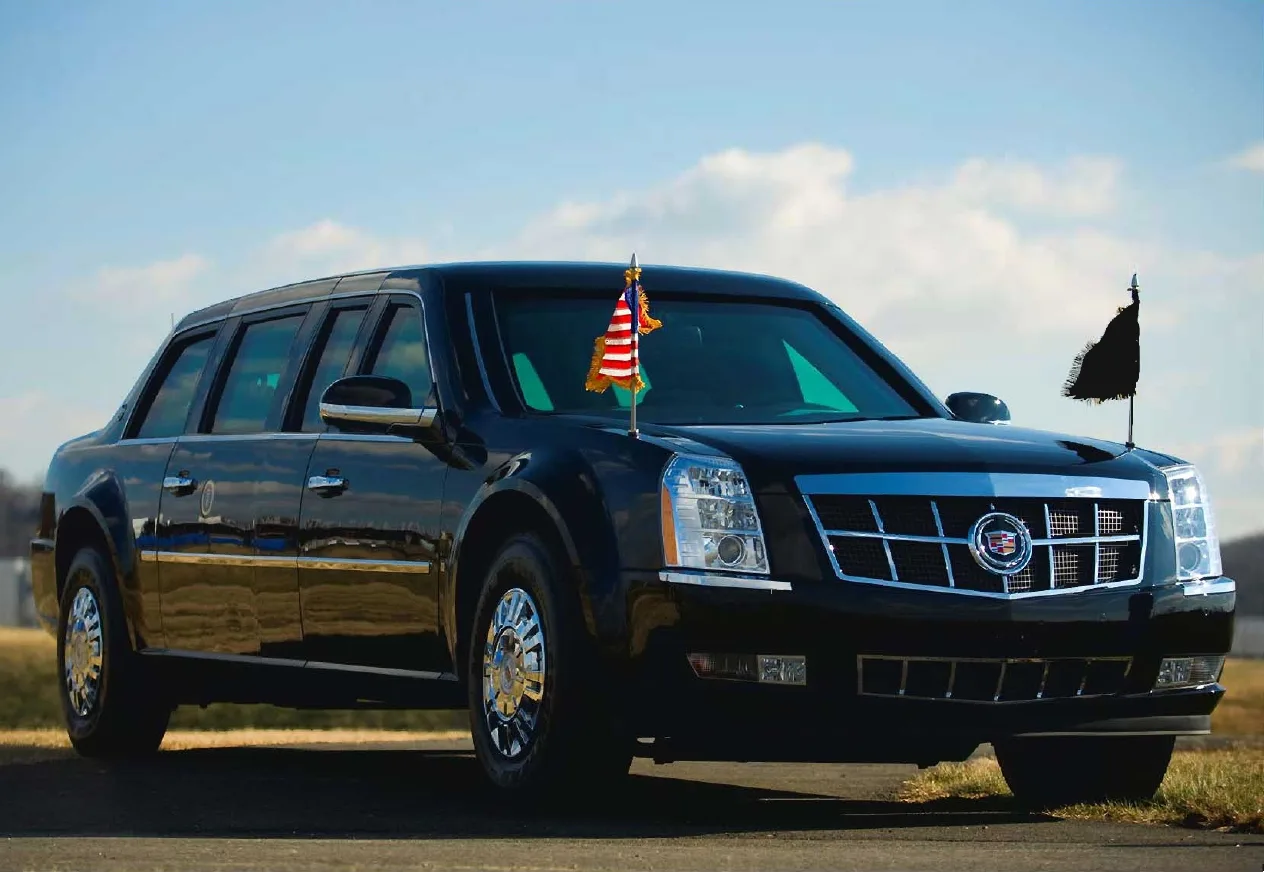
The United States president’s official vehicle is a symbol of national power and security. The current limousine, nicknamed “The Beast”, has served since 2009 and is based on a Cadillac design built by General Motors at the Detroit-Hamtramck Assembly plant. After five years in service, the US Secret Service has started the process of selecting a manufacturer for the next-generation presidential limousine, aiming for delivery in 2017. The Department of Homeland Security plans to award the contract by August 2014, as outlined in official procurement documentation.
Background: The Need for a New Presidential Limousine
Eligibility and Bidding Process
The bid for the new limousine, first reported by Time magazine, is open only to major US-based automobile manufacturers whose headquarters are located in the United States. This restriction is designed to ensure that sensitive security technologies and supply chains remain under domestic control. For over thirty years, Cadillac has been the basis for presidential limousines, which makes General Motors a likely contender. However, the competitive nature of the process allows other eligible US manufacturers to present their own proposals.
Phased Development Plan
The procurement for the new limousine will proceed in four distinct phases, each focusing on a different aspect of the vehicle’s development and production. According to the US Secret Service, the phases are as follows:
- Phase 1: Armour development (currently underway)
- Phase 2: Integration of the new armour with automotive components, including selection of chassis, interior and exterior design, test vehicle fabrication, and component testing
- Phase 3: Automotive validation, ensuring all systems and protective features perform as required
- Phase 4: Production of the finished vehicles
The initial phase concentrates on developing advanced armour solutions, while subsequent phases will see the integration of these protective elements with the vehicle’s mechanical and electronic systems. The process will culminate in the manufacturing of completed limousines ready to meet the demanding requirements of presidential service.
Security and Technical Requirements
While the precise specifications for the next presidential limousine remain classified, previous models have set a high standard for safety and technology. Features have included heavy armouring, run-flat tyres, sealed cabins for chemical protection, and integrated communications systems. The winning manufacturer will need to integrate these and potentially new security features without compromising the vehicle’s reliability or comfort. The restricted bid process reflects the importance of keeping sensitive technology within US borders and under the control of trusted suppliers.
Implications for US Automakers and Suppliers
The contract for the new presidential limousine is expected to attract strong interest from General Motors, given Cadillac’s longstanding association with the presidential fleet. However, other major US manufacturers that meet the eligibility criteria could also compete for the opportunity. The project will not only involve the final assembly of the vehicle but also a network of specialist suppliers providing armour, electronics, and bespoke interior fittings. This approach ensures that the latest technological advancements and security measures are incorporated into the vehicle.
The development and production of the new limousine are likely to support jobs and technological innovation across the US automotive and defence sectors. Specialist firms involved in armour and security systems may benefit from the project, and the high-profile nature of the contract could influence future government and private-sector security vehicle projects.
Timeline and Service Entry
The new presidential limousine is scheduled to enter service for the incoming administration in 2017. The timing is intended to ensure that the next president will travel in a vehicle equipped with the most up-to-date security and technological features. As the current model approaches the end of its service life, the transition to a new limousine reflects both evolving security needs and advancements in automotive engineering.
The process of selecting, designing, and building the next presidential limousine highlights the ongoing commitment to the safety and security of the US head of state. It also serves as an opportunity for American automotive manufacturers to demonstrate their capabilities in producing vehicles that meet the highest standards of protection and performance.