BMW’s Tri-Turbo Diesel: Engineering for Torque and Efficiency
BMW’s 3.0-litre straight-six tri-turbo diesel engine set new benchmarks for torque and responsiveness in the M Performance range, before being succeeded by the quad-turbo unit in 2016.
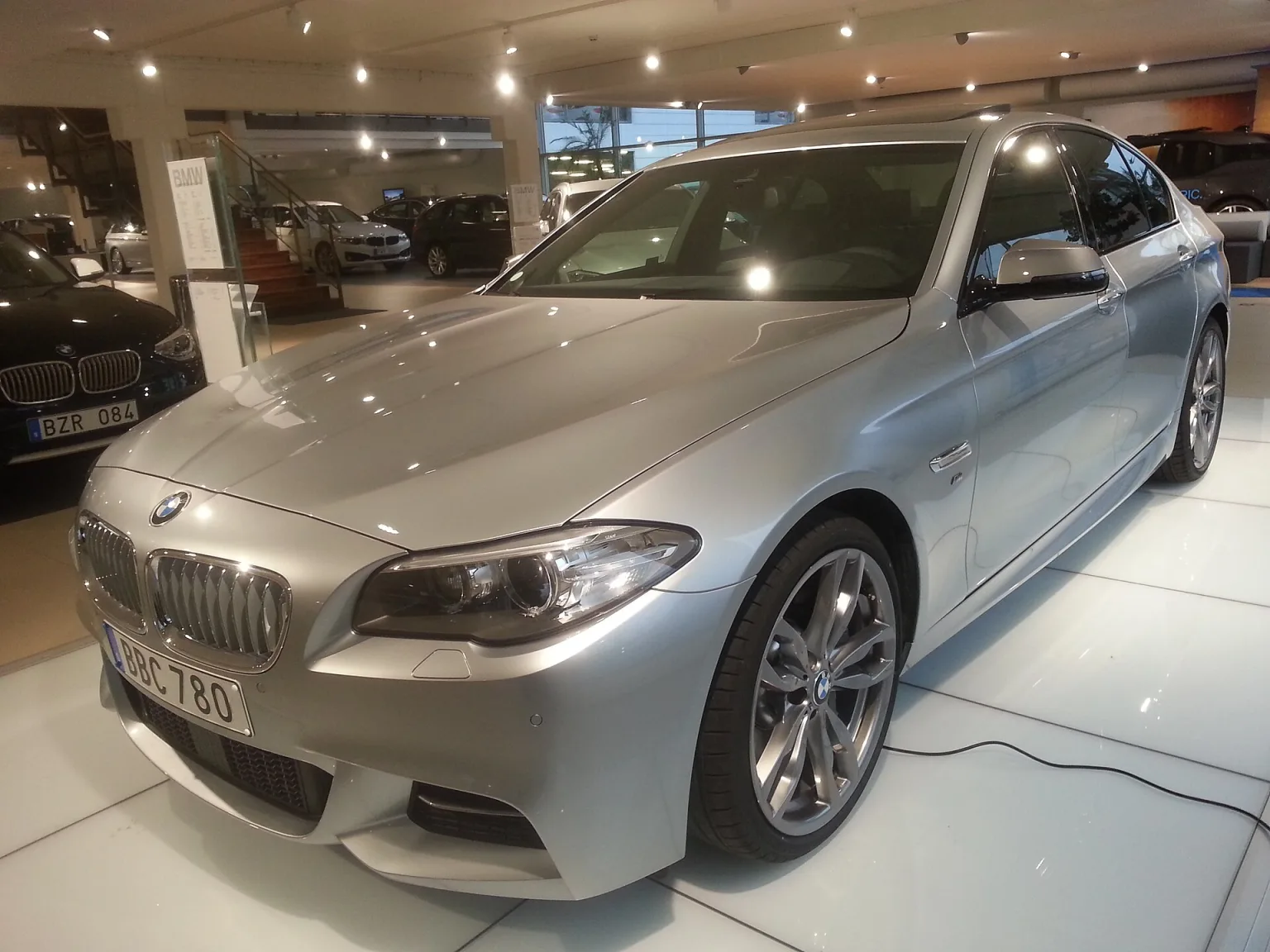
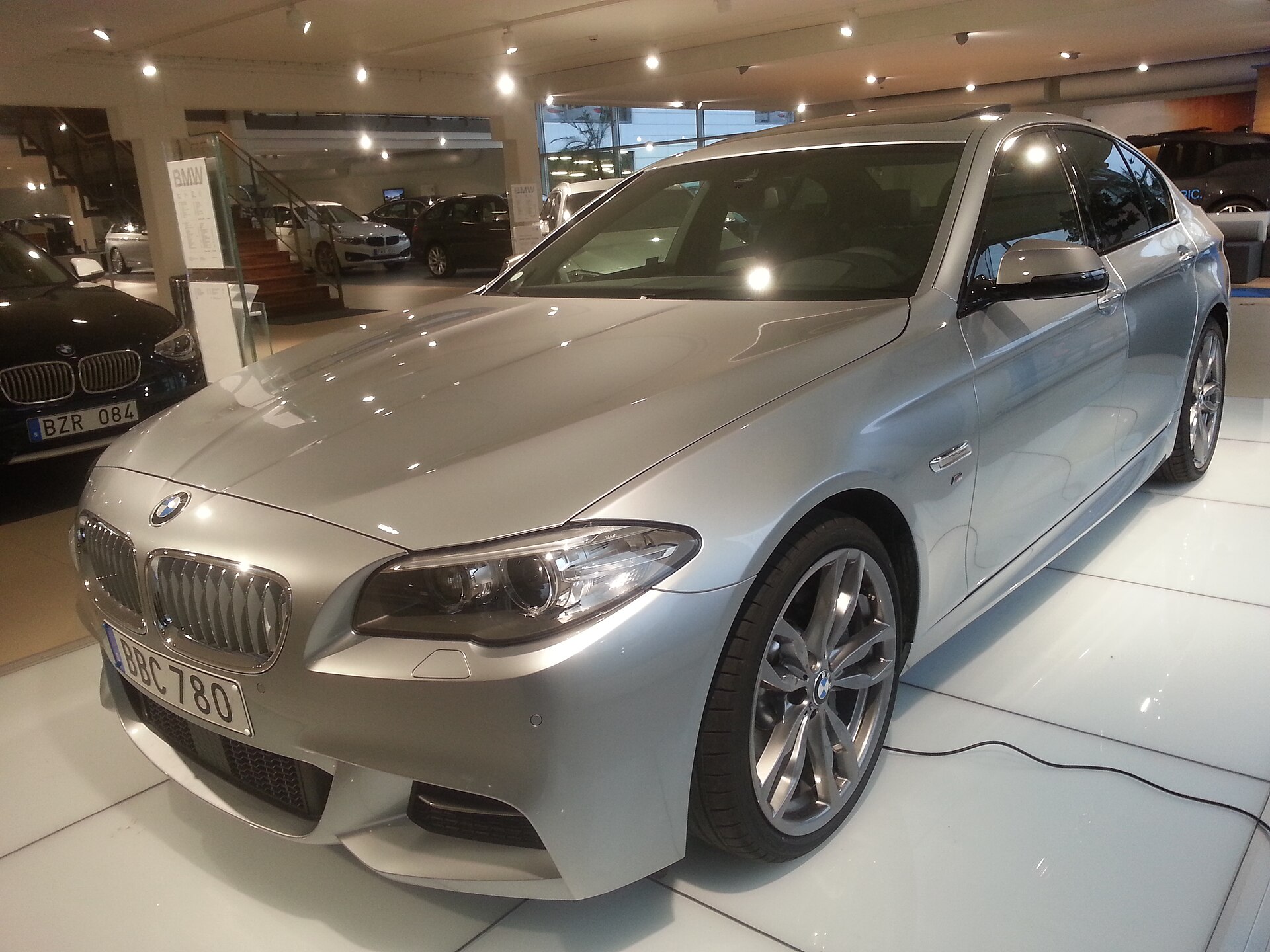
BMW’s 3.0-litre straight-six tri-turbo diesel engine, known internally as the N57S, established itself as one of the most advanced diesel powerplants in the manufacturer’s line-up during the early 2010s. Fitted to M Performance models including the M550d, X5 M50d and X6 M50d, the engine combined high power, strong torque and notable efficiency for the segment.
Tri-turbo layout and performance
The N57S engine featured a unique arrangement of three turbochargers: two smaller turbos provided boost at lower engine speeds, while a larger third turbo contributed at higher revs. This sequential setup allowed for rapid throttle response and a broad, flat torque curve. The engine produced 381 hp at 4,000 rpm and 740 Nm of torque between 2,000 and 3,000 rpm, figures that placed it ahead of most rivals in both outright power and flexibility.
In practice, this meant strong acceleration from low speeds and sustained pulling power at motorway pace. The engine’s torque delivery was especially valued in large saloons and SUVs, where it enabled brisk overtaking and high-speed cruising without excessive fuel consumption.
Technical innovations and applications
BMW developed the tri-turbo diesel to serve its M Performance range, offering a diesel alternative with near-M levels of performance. The engine’s advanced piezo injectors, high-pressure common-rail system and water-cooled turbochargers contributed to its efficiency and emissions performance. At launch, it was among the most powerful production six-cylinder diesels available.
- BMW M550d xDrive (F10/F11)
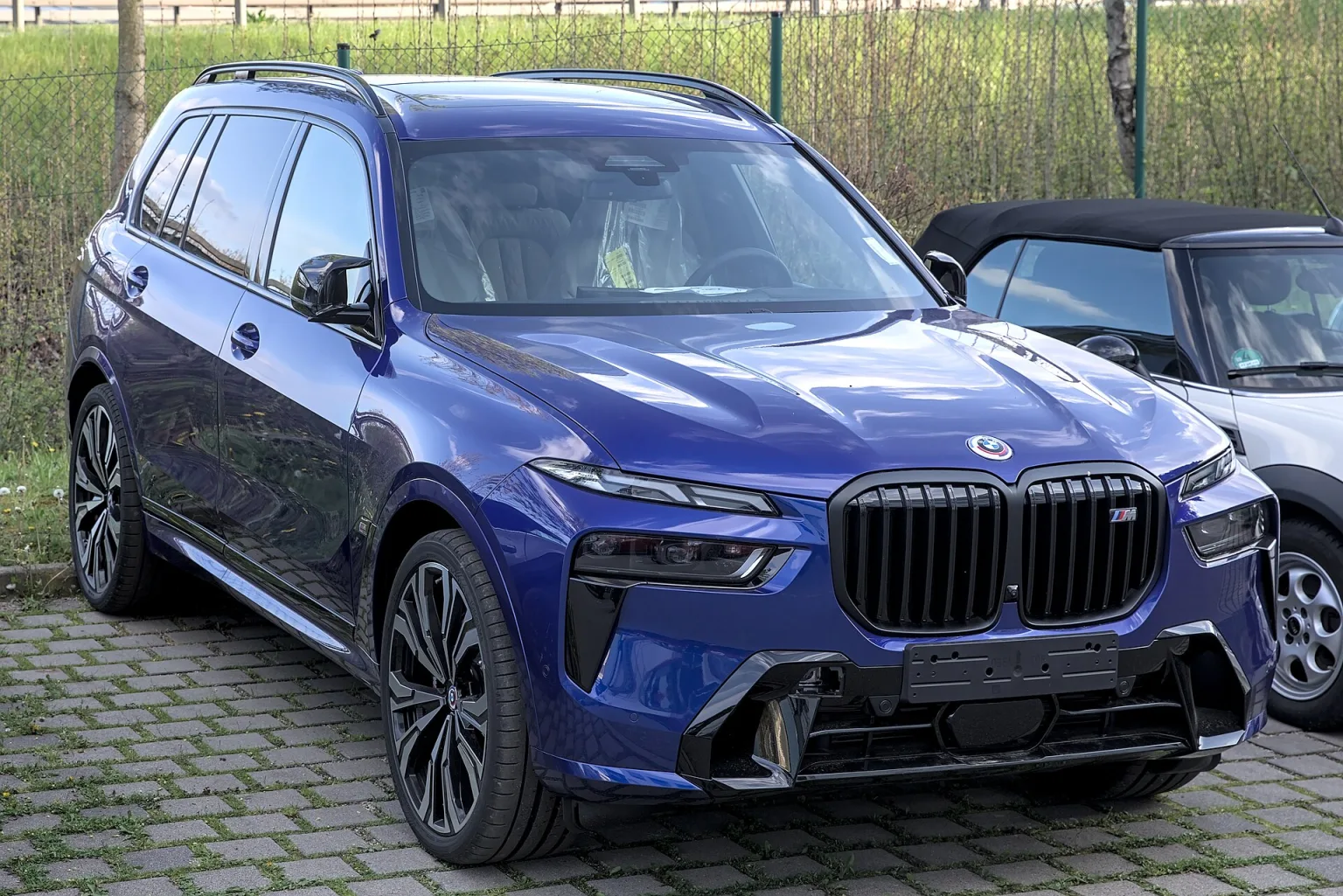
- BMW X5 M50d (F15)
- BMW X6 M50d (F16)
Owners benefited from strong real-world fuel economy compared to petrol M models, without sacrificing much in terms of acceleration or drivability. In the 5 Series, the M550d xDrive could reach 62 mph in around 4.7 seconds, while the X5 and X6 M50d models offered similar performance with added practicality.
Transition to quad-turbo technology
By 2016, BMW replaced the tri-turbo diesel with a new 3.0-litre quad-turbocharged engine, first seen in the G11/G12 750d. The quad-turbo unit delivered 400 hp and 760 Nm, improving throttle response and efficiency by around five percent over the tri-turbo predecessor. The new engine used two high-pressure and two low-pressure turbos, replacing the previous single low-pressure turbo with a pair of smaller units to further reduce lag and improve high-rev performance.
The transition marked the end of the tri-turbo era for BMW diesels, but the N57S remains notable for its technical ambition and the performance it brought to diesel saloons and SUVs. The engine’s legacy is evident in the continued pursuit of high-output, efficient diesels for demanding buyers.
Related developments in diesel performance
BMW’s tri-turbo diesel was part of a broader push among German manufacturers to extract more power and refinement from diesel technology. Mercedes-AMG and Alpina pursued their own multi-turbocharged diesels, while BMW’s own quad-turbo successor further raised the bar for torque and responsiveness. For more on the quad-turbo diesel’s arrival, seeBMW’s Tri-Turbo Diesel Arrives in M Performance Line