Saab Brand Dispute Settled, NEVS to Launch Electric 9-3 in 2014
NEVS has secured the rights to use the Saab name for its new electric car, resolving a dispute over the brand and clearing the way for production in Trollhättan next year.
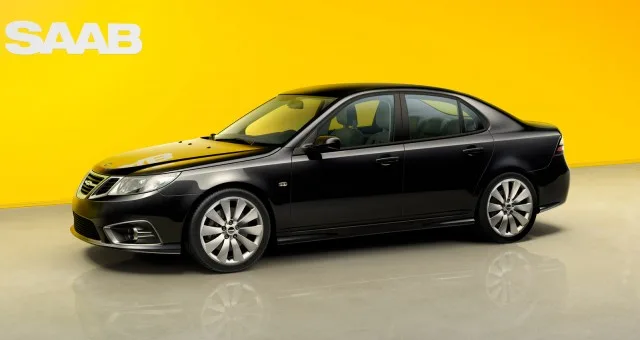
National Electric Vehicle Sweden (NEVS) has finalised its acquisition of Saab, clearing the last major obstacle to reviving car production under the Swedish marque. The agreement follows a lengthy dispute over the use of the Saab brand and its iconic griffin logo, which has now been settled with Scania and Saab AB.
The deal allows NEVS to use the Saab name on its vehicles, but not the griffin symbol, which remains the property of Scania and Saab AB. Scania, which has used the griffin since 1911, objected to its use on passenger cars, citing concerns about brand dilution. Saab AB, the defence and aerospace group, joined Scania in opposing the transfer of the logo rights. NEVS agreed to this condition to secure the brand for its relaunch plans.
Electric Saab 9-3 planned for 2014
With the dispute resolved, NEVS is moving ahead with plans to launch its first model in 2014: an electric car based on the Saab 9-3 platform. The vehicle will be developed and manufactured at the Trollhättan plant in Sweden, where Saab’s operations have been based for decades. NEVS has stated that the new car will use Saab’s engineering heritage but feature a newly developed electric powertrain.
NEVS is focusing its initial sales efforts on China, where demand for premium electric vehicles is growing rapidly. The company believes that the Saab name still carries weight in China and can help position its electric 9-3 as an upmarket alternative. Production volumes and final specifications for the car have not been detailed, but NEVS has indicated a launch timeframe of around 18 months from the announcement, placing the debut in mid to late 2014.
Implications for Trollhättan and Saab’s legacy
The agreement secures a future for the Trollhättan facility, which faced an uncertain outlook following Saab’s bankruptcy in 2011. NEVS’s investment is expected to safeguard jobs and maintain engineering activity in the region, at least in the short term. Saab’s return, even in electric form and without its familiar badge, marks a rare revival in a sector where defunct brands are more often consigned to history.
The absence of the griffin badge will be noticeable to long-time Saab owners and enthusiasts, but NEVS is betting that the combination of Swedish engineering and electric technology will be enough to attract new buyers, particularly in China. The company’s next steps include finalising the electric powertrain and preparing the Trollhättan plant for production. Further details on the car’s range, performance and pricing are expected closer to launch.
Related coverage
- /asian-investors-to-turn-saab-into-electric-vehicle-specialist, Asian Consortium Plans to Revive Saab as Electric Vehicle Brand
- /new-saab-to-hire-200-engineers, Saab's New Owners to Recruit 200 Engineers for Electric Car Relaunch