Automakers Hike UK Prices After Brexit Hits Pound
Ford, Vauxhall, Nissan and Peugeot have raised UK car prices by up to two percent as the pound’s post-Brexit slump increases costs for manufacturers.
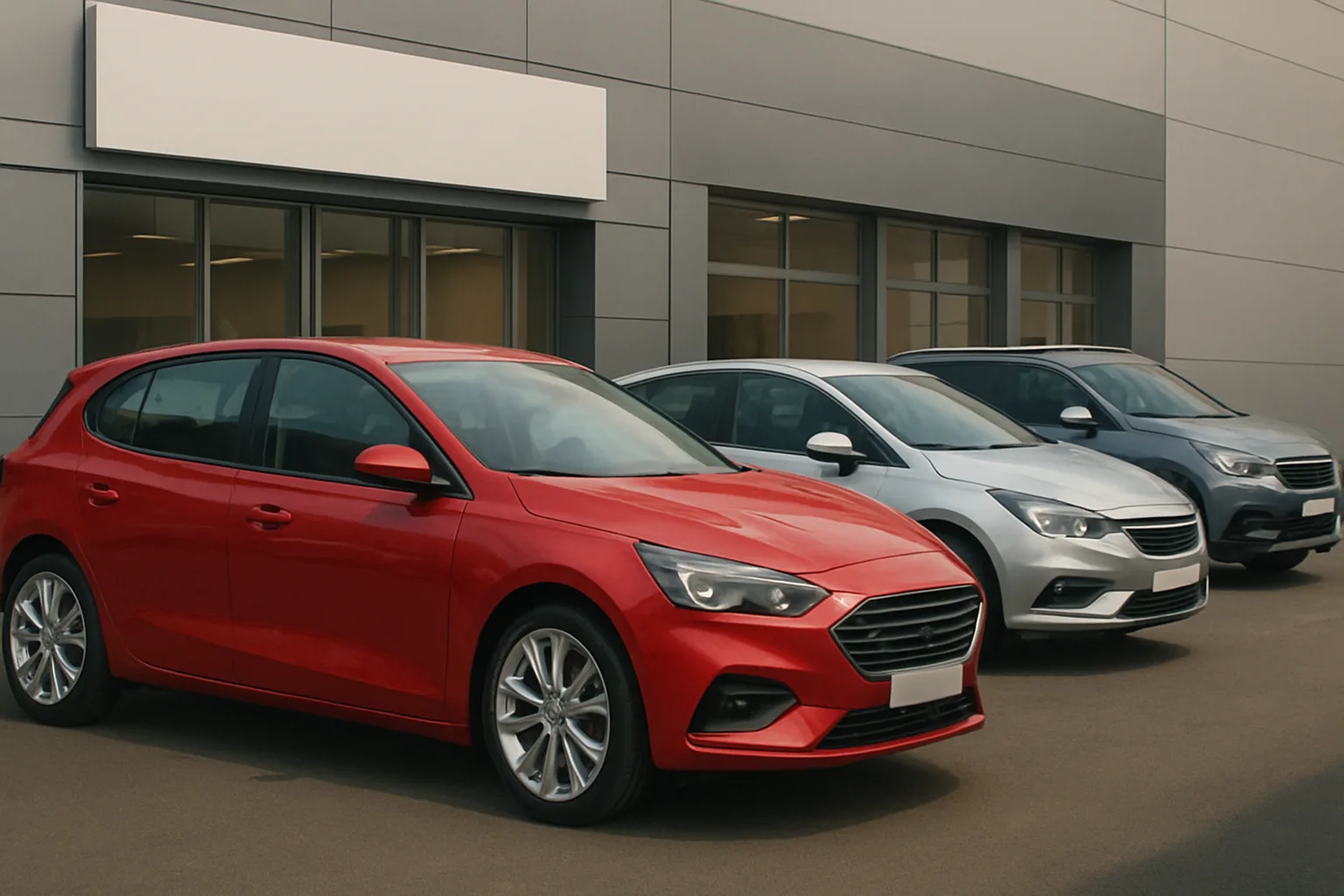
Major carmakers have raised prices across their UK ranges after the pound’s sharp fall following the Brexit referendum. Ford, Vauxhall, Nissan and Peugeot have all confirmed increases of up to two percent, citing higher costs for imported components and currency losses. The moves come as the value of the pound against the euro and other currencies dropped sharply after the UK’s vote to leave the European Union.
Automakers Raise UK Prices After Brexit Pound Slump
| Automaker | Increase (%) | Date Implemented |
|---|---|---|
| Vauxhall | Over 2 | Announced after Brexit |
| Nissan | 1.5–2 | This month |
| Peugeot | 2 | August |
| Ford | 1.5 | Previous month |
Details of Price Increases
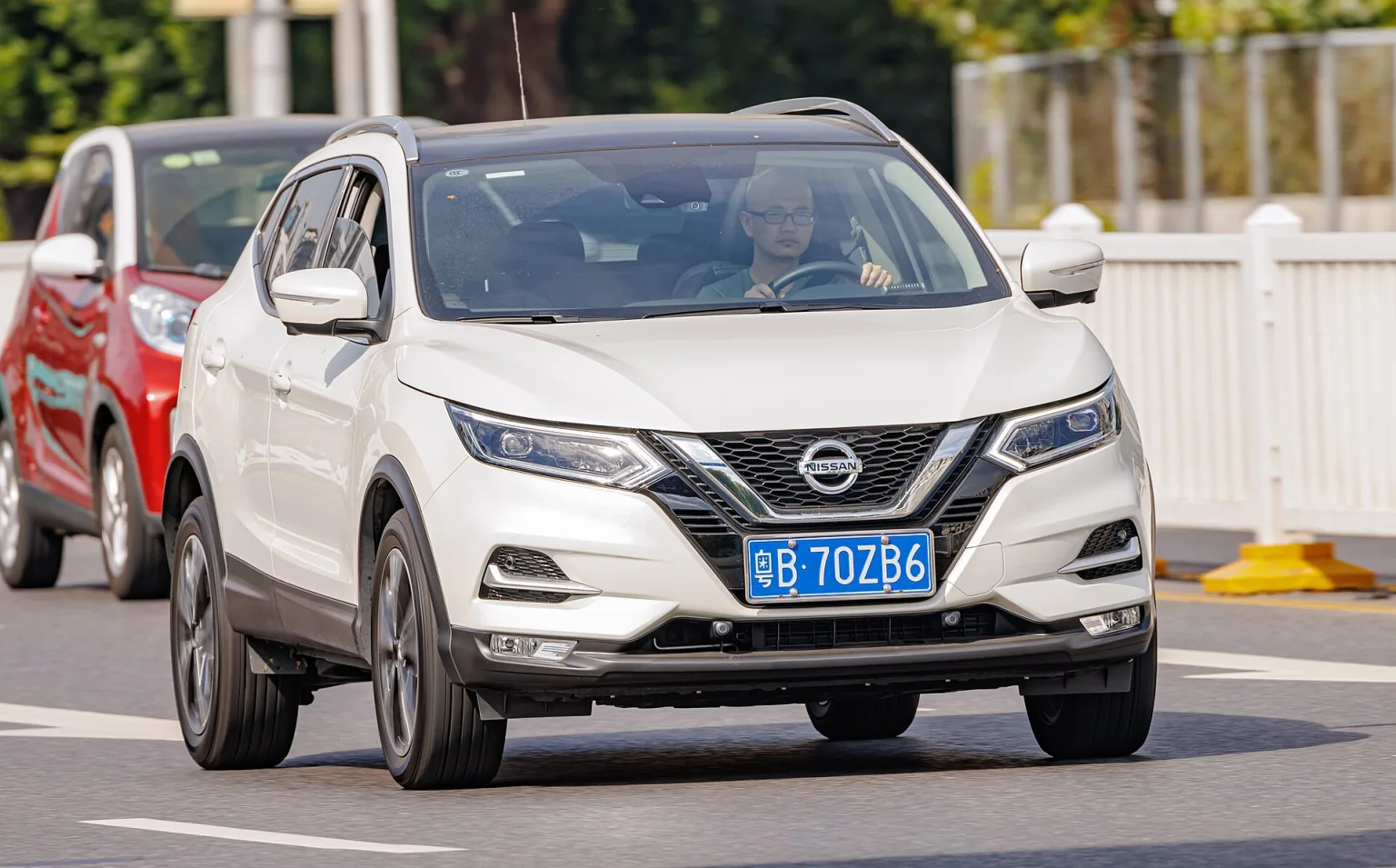
Vauxhall, part of General Motors, stated its models would go up by more than two percent. Nissan has announced a 1.5 to two percent rise, which Nissan Europe’s sales chief described as only the first wave of increases. Peugeot raised prices by two percent in August, while Ford put its own 1.5 percent rise through the previous month. Honda and Suzuki are reportedly considering similar increases, according to market analysts at JATO Dynamics, but have not yet made public announcements. These increases apply to new cars sold in the UK and affect both imported models and those built locally.
Manufacturers Count the Cost
Ford, which manufactures engines and transmissions in the UK, has warned of a $400–500 million impact on its UK operations next year due to currency volatility and market uncertainty. General Motors expects to lose $400 million in the second half of 2016, citing the same causes. The financial hit is a direct consequence of the pound’s depreciation, which makes imported components more expensive and reduces profit margins on vehicles sold in the UK. Britain is Europe’s second largest new car market, making pricing decisions here critical for manufacturers operating on thin margins.
- Carmakers with manufacturing bases in the UK, such as Ford, Vauxhall, and Nissan, are particularly exposed to currency swings.
- Pricing changes affect both consumers and company profits.
- Further price rises are possible if the pound remains weak or trade negotiations create new uncertainties.
Industry Response and Outlook
The price hikes are the first visible sign of the automotive industry’s response to post-Brexit economic conditions. While some manufacturers have already implemented increases, others may follow if the pound remains weak. Buyers in the UK may face higher costs for new vehicles, and the situation could evolve further if currency volatility continues or if trade negotiations introduce additional uncertainties. Automakers are closely monitoring the market and may adjust pricing strategies again as the effects of Brexit unfold. With the UK’s automotive market being a key part of the European industry, the consequences of currency shifts and price adjustments are likely to be felt by both consumers and manufacturers for some time.