China car sales fall for third straight month as economy slows
Passenger car sales in China dropped 3.4% in August 2015, marking the third consecutive monthly decline as economic uncertainty and weak stock markets hit demand.
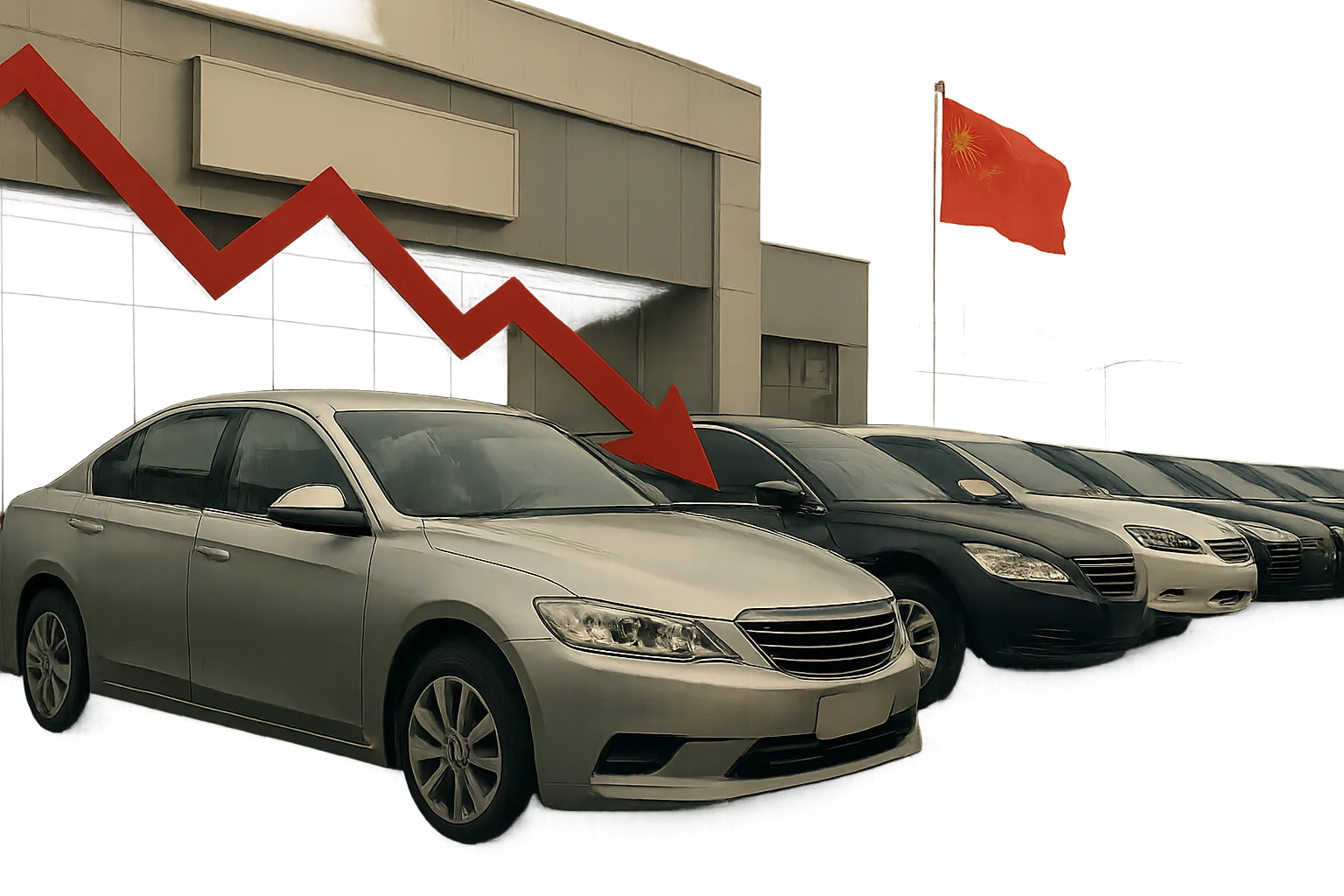
Passenger car sales in China fell 3.4% to 1.42 million units in August 2015, according to figures from the China Association of Automobile Manufacturers. This marks the third consecutive monthly decline, following a 6.6% drop in July and a 3.4% fall in June, as the country’s economic slowdown and a sharp drop in stock prices continued to weigh on consumer confidence.
The wider market, including commercial vehicles, also shrank by 3% to around 1.66 million units for the month. The ongoing decline follows years of rapid growth that made China the world’s largest car market, but the current economic uncertainty and government anti-corruption measures have dampened both consumer and fleet demand. Local authorities in major cities have also stepped up campaigns to discourage car use in an effort to tackle congestion and air pollution.
Economic pressures hit demand
Growth in China’s economy was expected to reach its lowest point in over two decades in 2015, with the stock market losing around 40% of its value since June despite government intervention. The impact on consumer spending has been clear, with many buyers delaying or cancelling new car purchases. Foreign carmakers who had previously forecast single-digit growth for the year were already seeing those estimates as optimistic by late summer.
SAIC Motor, China’s largest automaker, revised its 2015 sales outlook, predicting zero growth for passenger and commercial vehicles, down from an earlier 7% target, and even below its revised 3% estimate. Analysts at AlixPartners suggested that low single-digit growth rates would become the new normal in the Chinese market, forecasting annual increases of just over 4% through 2018 before slowing further.
Outlook for manufacturers and dealers
With the market entering a more mature phase, manufacturers face increased competition and pressure to adjust pricing, product offerings and marketing to stabilise volumes. The longer-term trend, according to industry analysts, is towards slower but steadier growth, if the wider economy stabilises.