Chevrolet Bolt faces early end as sales and output fall short
Chevrolet's Bolt is expected to leave production in early 2027, with third-party sources citing poor sales, limited promotion and a much-reduced build total compared to original plans.
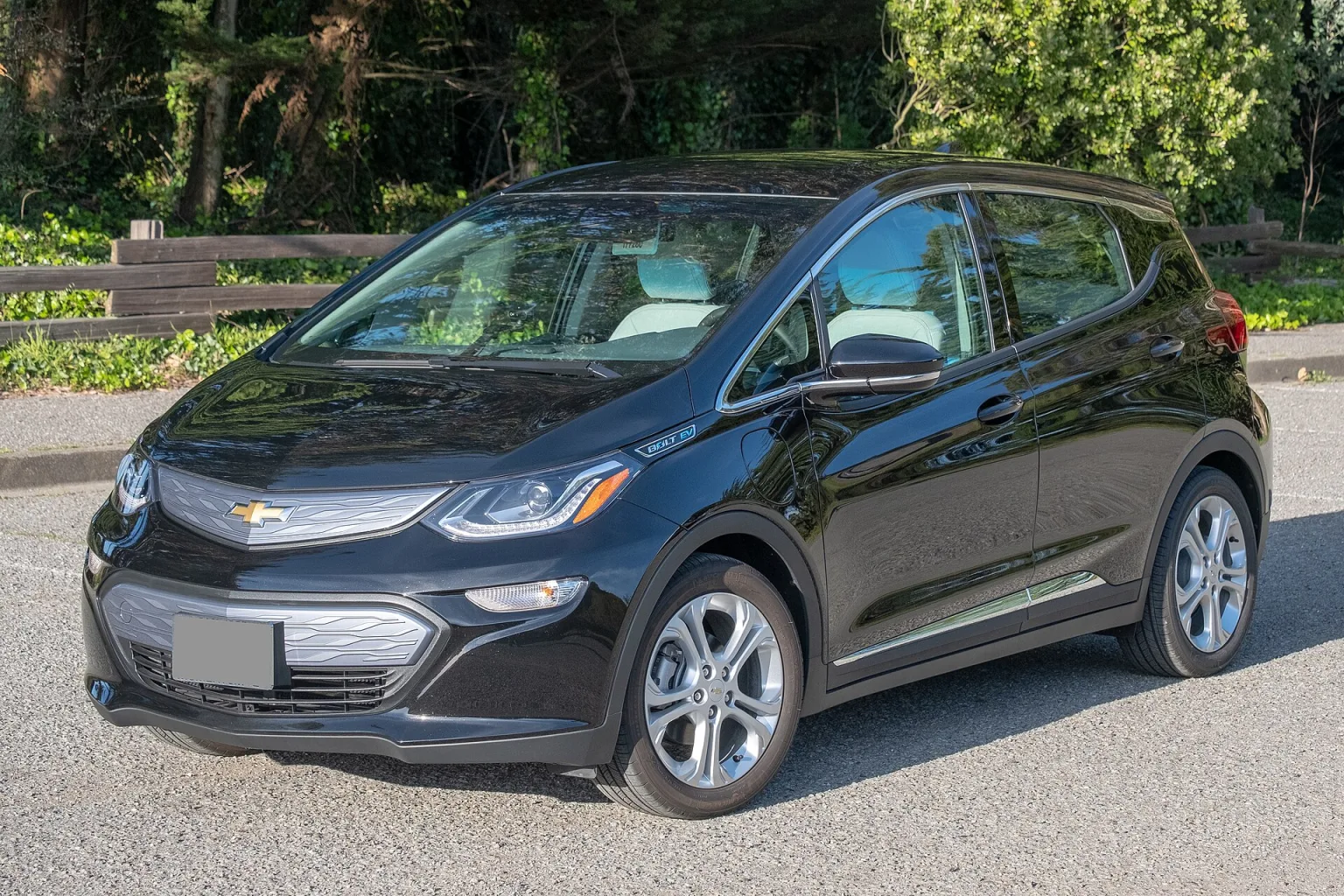
Chevrolet’s Bolt is expected to go out of production in early 2027. Reports from Carscoops indicate that disappointing sales and much-reduced production numbers have led General Motors (GM) to scale back its ambitions for the electric hatchback. The Bolt’s discontinuation marks the end of a model that was once seen as a potential leader in affordable electric vehicles but has struggled to find its footing since its relaunch.
Chevrolet Bolt Production to End in 2027
Original Ambitions vs Reality
GM had originally targeted production of 150,000 Bolts for the current generation, according to Carscoops. However, actual output could be as low as 35,000 units by the time production ends. This significant gap highlights the challenges the Bolt has faced in the market. Chevrolet has confirmed that the Bolt is a "limited run model", signalling a deliberate decision to restrict its presence after its disappointing return.
| Planned Output | Likely Output |
|---|---|
| 150,000 units | 35,000 units |
Sales Figures Fall Well Short of Expectations
Since its relaunch, the Bolt has struggled to attract buyers. Carscoops reports that only 4,224 units were sold in the first half of 2024. Estimates suggest the car will finish the year with fewer than 9,500 sales. These numbers are a fraction of what GM had anticipated when the model returned to showrooms. The Bolt’s sales record stands in stark contrast to the optimism that surrounded its unveiling and early production announcements.
Background: The Bolt’s Place in GM’s Electric Strategy
The Chevrolet Bolt was first unveiled as a concept at the 2015 Detroit Auto Show, with the aim of providing an affordable, practical electric vehicle to a broad market. At the time, it was positioned as a rival to other mass-market EVs, such as the Nissan Leaf and the Tesla Model 3. The Bolt’s initial release was met with enthusiasm, as it promised a longer range at a lower price than many competitors. However, as the EV market matured, the Bolt faced increasing competition and shifting consumer expectations.
Technical Details and Market Positioning
The Bolt is equipped with a 65 kWh lithium iron phosphate (LFP) battery pack, delivering a claimed range of up to 262 miles on a single charge. Its electric motor produces 210 horsepower and 169 lb-ft of torque. These specifications put the Bolt in line with other compact electric vehicles in terms of range and performance. The car’s starting price of $27,600 made it one of the more affordable options in the segment, at least on paper.
| Battery | 65 kWh LFP |
|---|---|
| Claimed Range | 262 miles |
| Power | 210 hp |
| Torque | 169 lb-ft |
| Starting Price (US) | $27,600 |
Factors Behind the Bolt’s Struggles
Several factors have contributed to the Bolt’s disappointing performance in the market. According to Carscoops, the elimination of the federal tax credit for the Bolt played a significant role. Without this incentive, the Bolt became less attractive to price-sensitive buyers. In addition, the new model was not heavily promoted by Chevrolet, limiting its visibility among potential customers. The design of the latest Bolt also closely resembles the previous generation, which may have failed to generate excitement among consumers looking for something new.
- Loss of federal tax credit reduced affordability for buyers
- Limited promotional activity from Chevrolet
- Design similarities to previous generation failed to attract new interest
- Increasing competition from newer EV models
Production and Promotion Issues
The gap between GM’s original production plan and the likely final output is a clear indicator of the car’s underperformance. Production was scaled back as it became clear that demand was well below expectations. The lack of significant marketing investment further hindered the Bolt’s prospects. As a result, the Bolt has not been able to establish a strong position among mainstream electric vehicles, despite its competitive technical specifications.
Consequences for Chevrolet and GM
The decision to discontinue the Bolt reflects broader challenges for Chevrolet and GM in the electric vehicle market. The Bolt was intended to be a volume seller that would help GM compete with other manufacturers in the growing EV segment. Its failure to meet sales targets may prompt GM to reconsider its approach to affordable electric vehicles. In the short term, the end of Bolt production could leave a gap in Chevrolet’s EV lineup, especially for buyers seeking an entry-level electric car.
Looking ahead, GM may shift its focus to other electric models, including those built on its Ultium platform. The company has announced plans for a range of new electric vehicles, but the discontinuation of the Bolt suggests a move away from lower-cost, smaller EVs in favour of larger, more profitable models. The experience with the Bolt may also influence how GM approaches future EV launches in terms of production planning, marketing, and incentive strategies.
What’s Next for Bolt Owners and Prospective Buyers?
For current Bolt owners, Chevrolet is expected to continue providing support and service for existing vehicles after production ends. However, the limited production run could affect the availability of spare parts and the car’s resale value over time. Prospective buyers who are interested in the Bolt may still find new models at dealerships until early 2027, but the shrinking supply could lead to reduced choice and potential price changes as the end of production approaches.
The Bolt’s discontinuation may also influence the broader market for affordable electric vehicles in North America. With one less option available, buyers may turn to competing models from other manufacturers, such as the Nissan Leaf or Hyundai Kona Electric. The Bolt’s exit could also prompt further discussion about the role of incentives, design innovation, and marketing in the success of future EVs.
Summary
Chevrolet’s Bolt will leave production in early 2027, following disappointing sales and a significant reduction in planned output. The model’s struggles highlight the challenges faced by manufacturers in the competitive and rapidly evolving electric vehicle market. As GM prepares to shift its focus to new EV models, the Bolt’s story serves as a case study in the importance of incentives, marketing, and innovation for the success of affordable electric cars.