UK EV model count doubles as 171 BEVs now on sale
UK buyers now have access to 171 battery electric models, with a new EV arriving every fortnight and average ranges exceeding 300 miles per charge.
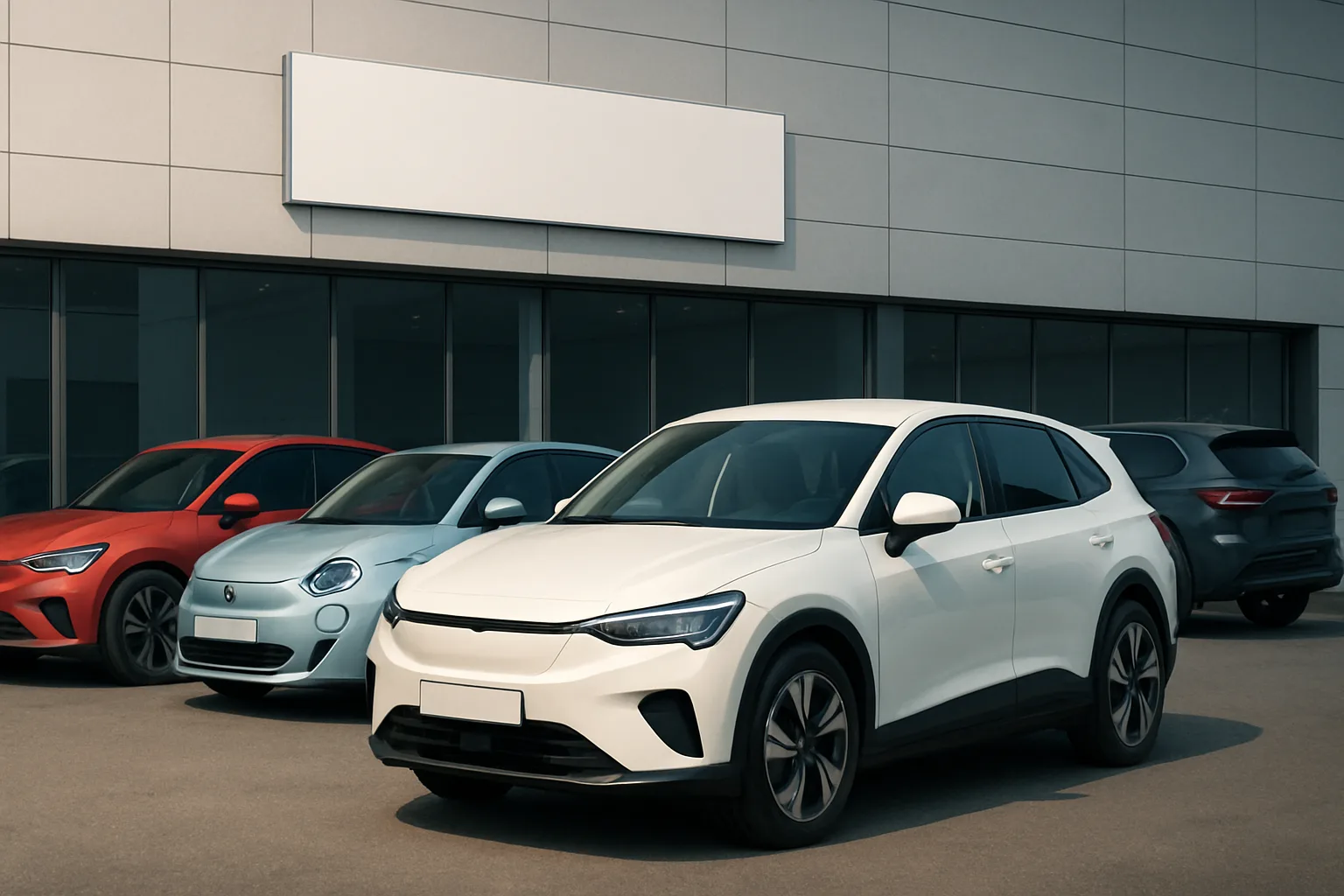
UK buyers now have access to 171 battery electric vehicle (BEV) models, double the number available just three years ago. This surge in choice is driven by manufacturers launching a new fully electric car every fortnight, according to the Society of Motor Manufacturers and Traders (SMMT). The rapid growth in EV options is a key part of the UK’s broader shift towards zero emission vehicles.
EV Model Choice in the UK Doubles in Three Years
Growth in New Model Launches
The SMMT reports that 85 new BEV models have been introduced to the UK market since 2023. The total new car market now offers 385 models across all fuel types, supplied by over 60 global brands. Electric cars are available in every segment, including city cars, hatchbacks, executive saloons, SUVs, and sports cars. This breadth of choice means that buyers can now find an electric vehicle to suit nearly any need or budget, from compact urban runabouts to luxury and performance models.
The arrival of a new BEV model every two weeks highlights the pace at which the UK market is evolving. This regular introduction of new models is not only expanding the range of options for consumers but also increasing competition among manufacturers, which can help drive innovation and potentially lower prices over time.
Zero Emission Capability Becomes the Norm
Three quarters of all new car models on sale in the UK are now capable of driving with zero tailpipe emissions. This includes BEVs, plug-in hybrids (PHEVs), and hybrids (HEVs). The increasing availability of zero emission vehicles is making it easier for consumers to make environmentally friendly choices without sacrificing practicality or performance.
The latest BEVs offer an average range of 300 miles per charge, which is well above the 127 miles typically driven by UK motorists in a week. This significant improvement in range addresses one of the main concerns for potential EV buyers, range anxiety, and positions electric cars as a practical option for most daily and even longer journeys.
Environmental Impact and Industry Investment
The expansion in choice and capability highlights the automotive sector’s role in the UK’s transition to zero emission driving. The SMMT credits this growth to billions of pounds of manufacturer investment in new vehicle platforms, battery development, and production facilities. These investments are not only enabling the launch of more models but are also helping to improve the performance and affordability of electric vehicles.
The rapid rollout of BEVs, combined with advances in hybrid and conventional engine technology, is helping to reduce new car CO2 emissions by over half a million tonnes each year. This reduction is significant for the UK’s climate goals and demonstrates the tangible impact that increased EV adoption can have on national emissions. As more consumers switch to electric and low-emission vehicles, the cumulative environmental benefits are expected to grow.
Market Competition and Consumer Choice
The UK market has become one of the most competitive globally for electric vehicles. Buyers can now select from a diverse range of models and brands, with options available across all price points and vehicle types. The sheer range of options, from affordable city cars to high-performance sports models, means buyers are no longer limited by segment or price point when choosing an EV. This increased competition is likely to benefit consumers through greater choice, improved features, and potentially more competitive pricing as brands vie for market share.
Manufacturers’ investment in electrification is reshaping the new car market. The SMMT’s figures underline the scale and speed of the transition, with a new BEV model arriving every two weeks since 2023. As the market evolves, consumers can expect even more options and innovations in the years to come.
Challenges and Future Outlook
While the expansion in model choice and improvements in range are positive developments, there are still challenges to address. Charging infrastructure remains an area of concern for many potential EV buyers, especially those without access to home charging. Continued investment in public charging networks will be essential to support the growing number of electric vehicles on the road.
Affordability is another factor, as the upfront cost of BEVs can still be higher than comparable petrol or diesel models, despite lower running costs. Government incentives, such as grants and tax benefits, have played a role in encouraging adoption, but changes to these schemes could impact consumer decisions in the future.
As manufacturers continue to invest in battery technology and economies of scale improve, the cost of producing electric vehicles is expected to fall. This should help make EVs more accessible to a wider range of buyers over time. In addition, ongoing improvements in battery efficiency and charging speed are likely to further enhance the appeal of electric vehicles.
The Broader Context: UK’s Transition to Zero Emission Vehicles
The UK government has set ambitious targets for reducing emissions from transport, including a planned phase-out of new petrol and diesel cars and vans. The rapid increase in the number and variety of electric vehicles available is a critical element in meeting these targets. The automotive industry’s investment in new models, battery technology, and production capacity is helping to position the UK as a leader in the transition to zero emission mobility.
Consumer awareness and acceptance of electric vehicles are also growing, helped by the increasing visibility of EVs on the road and the expanding range of models on offer. As more people experience the benefits of electric driving, including lower emissions, reduced running costs, and improved performance, demand for BEVs is expected to continue rising.
Conclusion
The doubling of BEV model choice in the UK over the past three years reflects a major shift in the automotive market. With a new electric model launching every fortnight, a broad range of vehicles available, and significant reductions in emissions, the UK is making substantial progress towards a zero emission future. Continued industry investment and supportive policies will be essential to maintain this momentum and ensure that electric vehicles become a mainstream choice for all types of drivers.
For further context on how new model launches shape national markets, see UK car production rises on strength of new model launches.