Chevrolet Restarts Volt Production in Detroit After Inventory Pause
General Motors resumed Chevrolet Volt assembly in April 2012 following a five-week shutdown aimed at reducing unsold stock, as March sales rebounded to a record for the model.
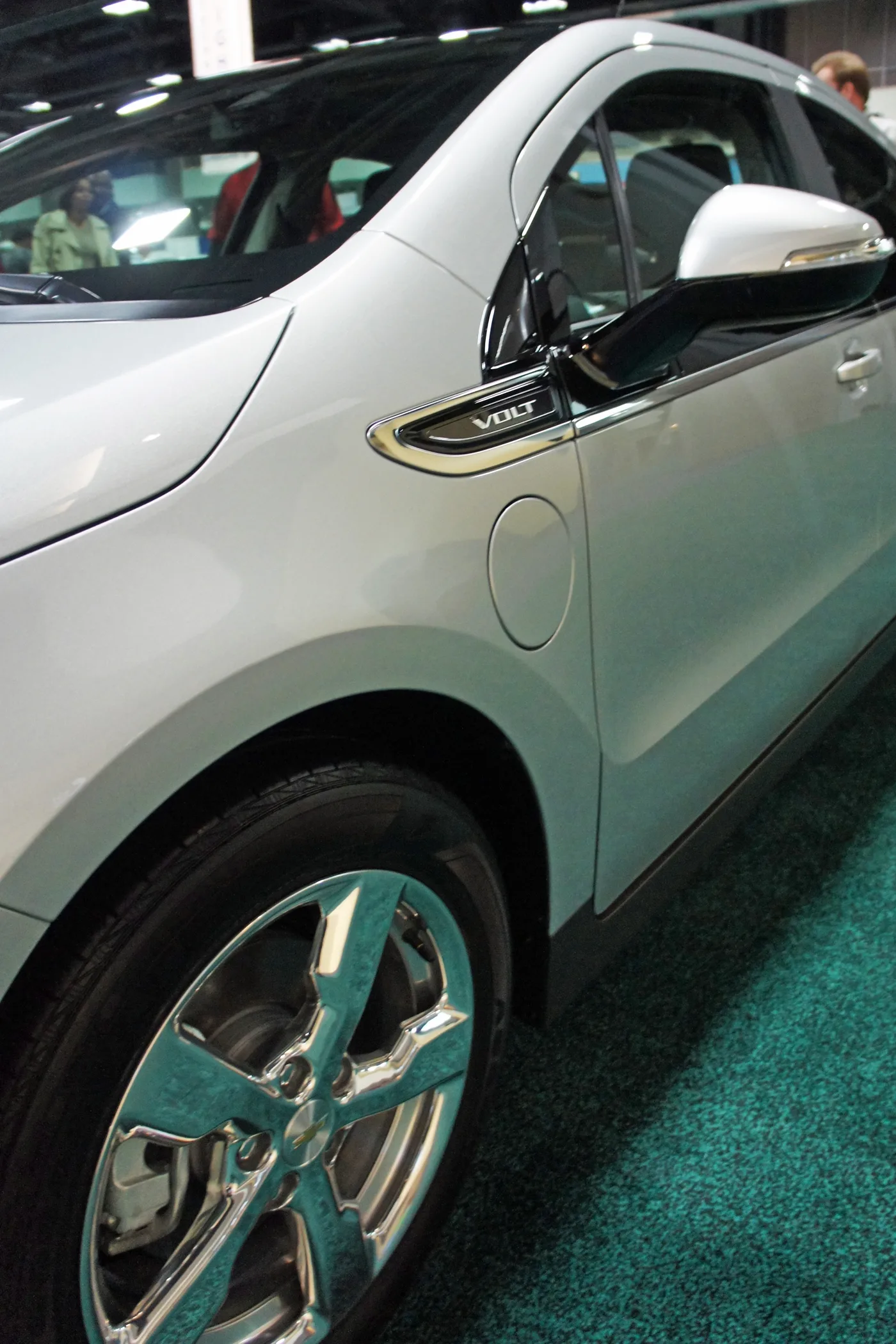
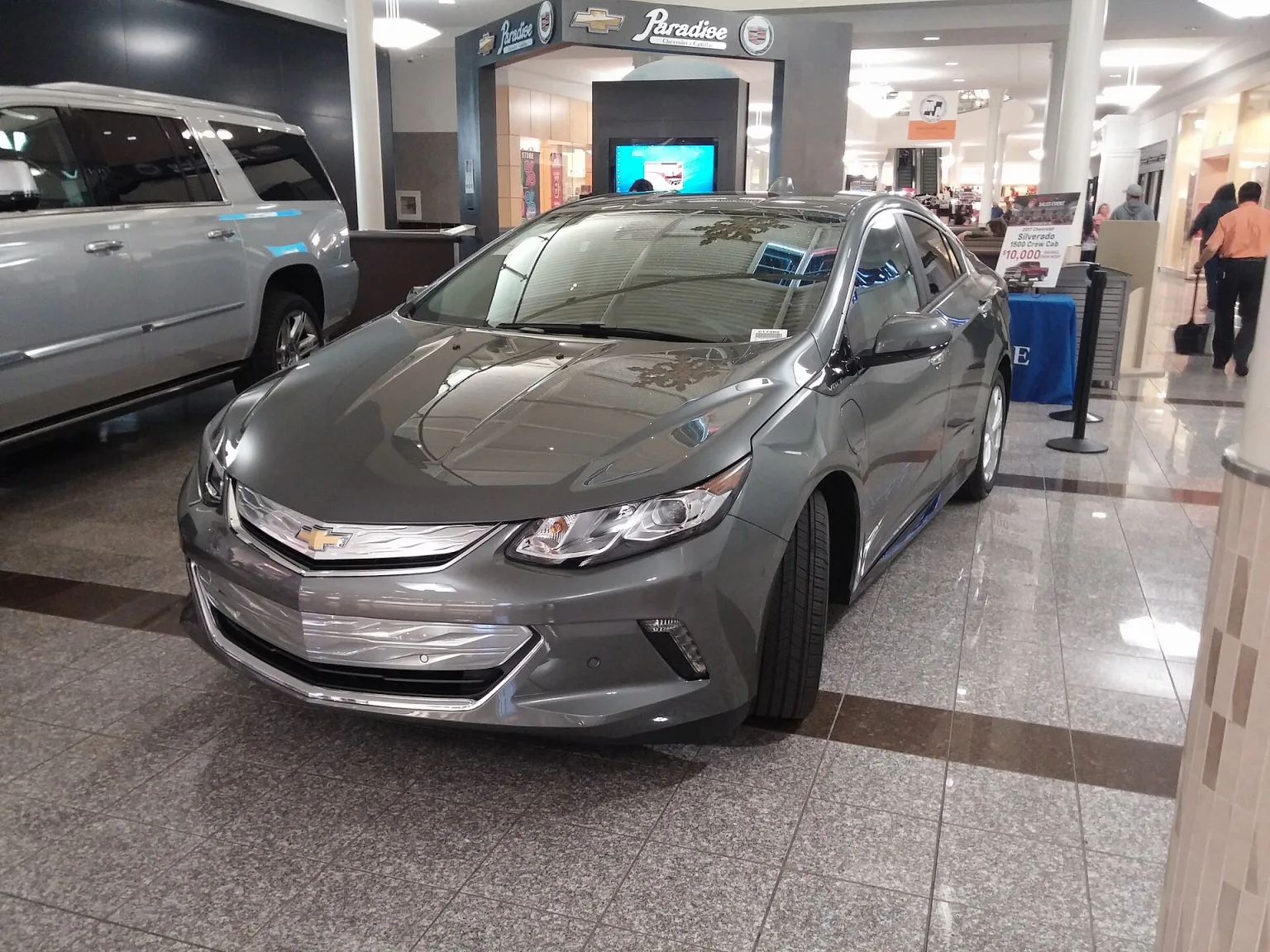
General Motors restarted Chevrolet Volt production at its Detroit-Hamtramck plant in April 2012, following a planned five-week shutdown that began on 19 March. The temporary halt was intended to reduce high inventory levels of unsold Volts across US dealerships. Production resumed as scheduled in April, with GM aiming to better align output with actual consumer demand.
Chevy Volt Production Resumes After Inventory-Driven Shutdown
Background: Why Production Was Paused
In early March 2012, GM announced the temporary hold on Volt production, surprising some industry observers with the length of the planned shutdown. The company cited high dealer stockpiles as the primary reason, with more than 6,300 Volts unsold at the end of February. According to Ward’s Automotive, this represented a 154-day supply, well above typical industry norms for inventory levels.
During the production pause, employees at the Detroit-Hamtramck facility were temporarily laid off. However, they received supplemental unemployment benefits (SUB pay), helping to cushion the financial impact of the layoff period. The shutdown was ultimately shorter than some had expected, indicating GM’s intention to quickly respond to market conditions and avoid a prolonged disruption for its workforce.
Sales Trends and Market Response
Sales of the Volt had lagged behind GM’s initial targets through the early part of 2012. In January, only 603 units were sold, with 1,023 following in February. However, March brought a significant rebound, with 2,289 Volts delivered to customers. This was not only the strongest month for the model but also surpassed the previous best of 1,529 units in December 2011. The improved sales performance in March was a key factor in GM’s decision to restart production.
Despite the March surge, the Volt’s sales in 2011 still fell short of GM’s goal. The company sold 7,671 Volts that year, below the target of 10,000. The relatively high price of the Volt, which starts at about $40,000 in the US, has remained a barrier for many buyers. Analysts have pointed out that consumers are often drawn to other fuel-efficient options, such as the Chevrolet Cruze, which costs roughly half as much as the Volt and appeals to a broader market segment.
Chevy Volt: Features and Charging Options
The Chevrolet Volt is a plug-in hybrid vehicle, offering about 35 miles of electric-only range before its 1.4-litre petrol generator activates to extend the driving range. Owners can recharge the Volt using a standard 110-volt home outlet, or more quickly with a 220-volt charging station. This flexibility in charging options has been a selling point for buyers interested in reducing their reliance on petrol while maintaining the convenience of longer-range travel.
| Starting Price (US) | Around $40,000 |
|---|---|
| Electric-Only Range | Approximately 35 miles |
| Engine | 1.4-litre petrol generator (range extender) |
| Charging Options | 110-volt outlet or 220-volt charging station |
| 2011 US Sales | 7,671 units |
| March 2012 US Sales | 2,289 units |
Inventory Challenges and Industry Context
GM’s decision to temporarily halt production was driven by the need to manage inventory levels more effectively. A backlog of over 6,300 unsold Volts was a clear sign that supply had outpaced demand. The pause allowed dealers to reduce excess stock and provided GM with an opportunity to reassess its production strategy for the Volt. This approach reflects broader industry challenges faced by manufacturers of new hybrid and electric vehicles, who must balance innovation and production with fluctuating consumer interest and competition from other models.
Competition and Future Outlook
The Volt competes in a growing market for electrified vehicles, with rivals such as the Nissan Leaf also vying for consumer attention. The Leaf, a fully electric vehicle, has at times outsold the Volt in the US market. GM’s approach to adjusting Volt production demonstrates the company’s willingness to adapt to changing market conditions, but it also highlights the ongoing challenge of building sustained demand for plug-in hybrids. As the electric vehicle segment continues to evolve, both pricing and consumer education are likely to play significant roles in future sales trends.
The restart of Chevy Volt production signals GM’s ongoing commitment to electrified vehicles, but the company must continue to address pricing and inventory challenges to achieve its sales ambitions.