China Orders 30% of Government Car Purchases to Be New Energy Vehicles by 2016
Beijing directs that nearly a third of new government fleet cars must be plug-in hybrid, electric or fuel cell models, aiming to cut urban pollution and boost the domestic green vehicle sector.
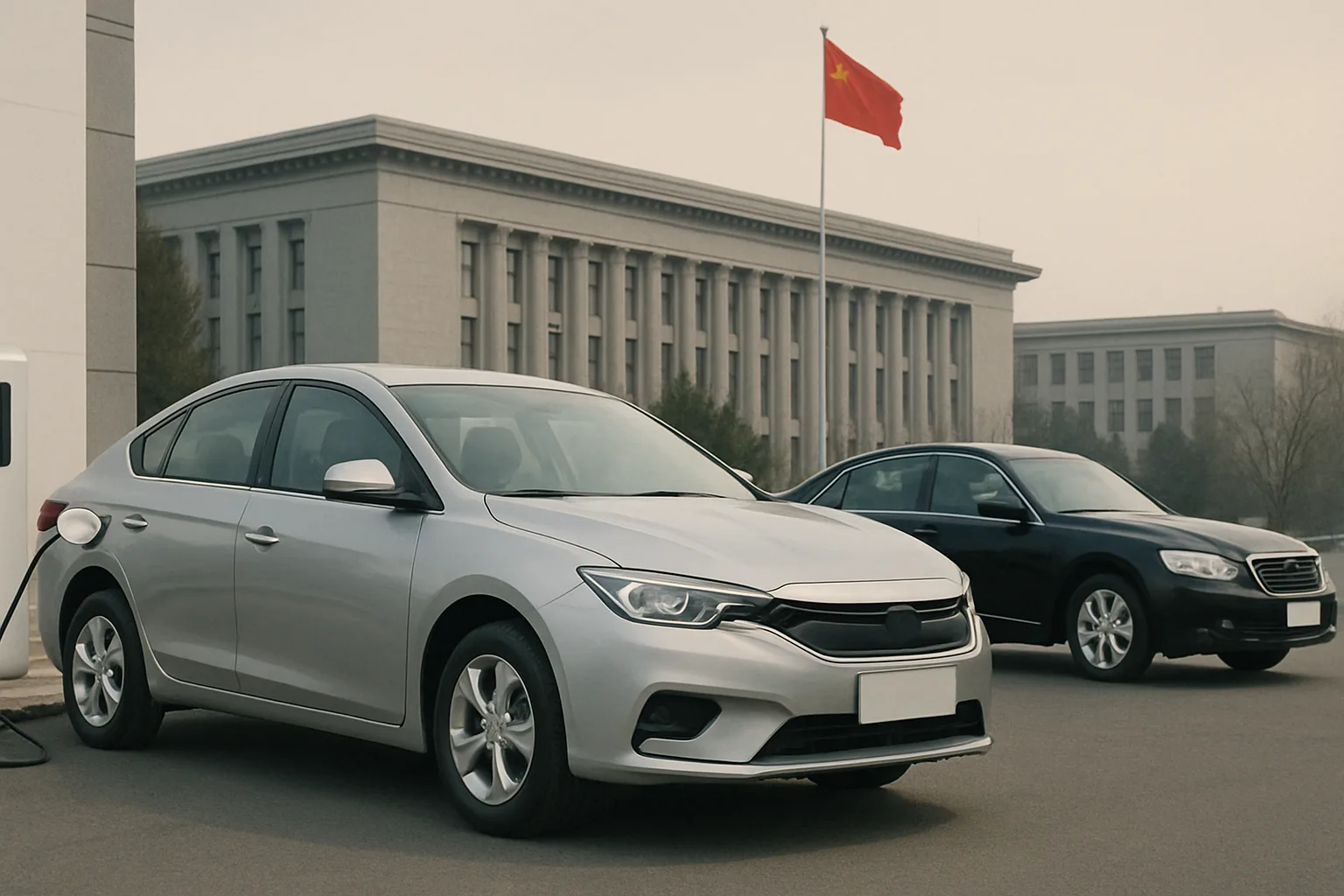
China’s central government has set a target for at least 30 percent of new government vehicles purchased by 2016 to be so-called new energy vehicles, including plug-in hybrids, battery electric cars and fuel cell vehicles. The move forms part of a wider campaign to tackle worsening air pollution in major cities and stimulate the country’s domestic green vehicle industry.
The directive requires government departments at national and local levels to ensure that nearly one in three new fleet vehicles is sourced from the new energy segment. This includes models powered by electricity, plug-in hybrid technology or hydrogen fuel cells. The policy is designed to cut emissions from public sector fleets, which are seen as a visible contributor to smog in cities such as Beijing and Shanghai.
Government fleets as a lever for green vehicle adoption
Government purchases account for only about 10 percent of new car sales in China, according to analysts. While the new rule will not transform the market overnight, it signals a clear intent from Beijing to lead by example and create demand for green vehicles. The policy is also expected to support domestic manufacturers of new energy vehicles, who have struggled to gain traction against established petrol models.
The government’s push comes as Chinese cities face mounting pressure to clean up their air, with some local authorities already capping new car registrations and scrapping older, more polluting vehicles. The new energy vehicle quota is part of a broader package of measures targeting urban emissions.
Tax breaks and further incentives
Alongside the fleet quota, China has announced that new energy vehicles will be exempt from the 10 percent vehicle purchase tax until the start of 2018. The exemption is intended to stimulate private demand, as government procurement alone is not expected to drive major growth in the sector. The authorities have also promoted investment in charging infrastructure and local manufacturing of batteries and electric drivetrains.
- Fleet quota: 30% of new government cars must be new energy vehicles by 2016.
- Tax break: New energy vehicles exempt from 10% purchase tax until early 2018.
- Focus: Plug-in hybrid, battery electric and fuel cell models.
- Goal: Reduce urban pollution and boost domestic green car production.
Implications for manufacturers and the market
The policy is expected to favour domestic brands such as BYD and BAIC, which already offer electric and plug-in hybrid models. Foreign joint ventures may also benefit if they can supply qualifying vehicles from local production. However, analysts caution that government procurement alone will not be enough to transform the sector, and sustained private demand will be crucial if China is to meet its environmental targets.