China to End Tax Incentives for Small Cars from January 2011
China’s finance ministry confirms the 10% sales tax will return for cars with engines 1.6 litres or smaller, ending the stimulus that helped drive record growth.
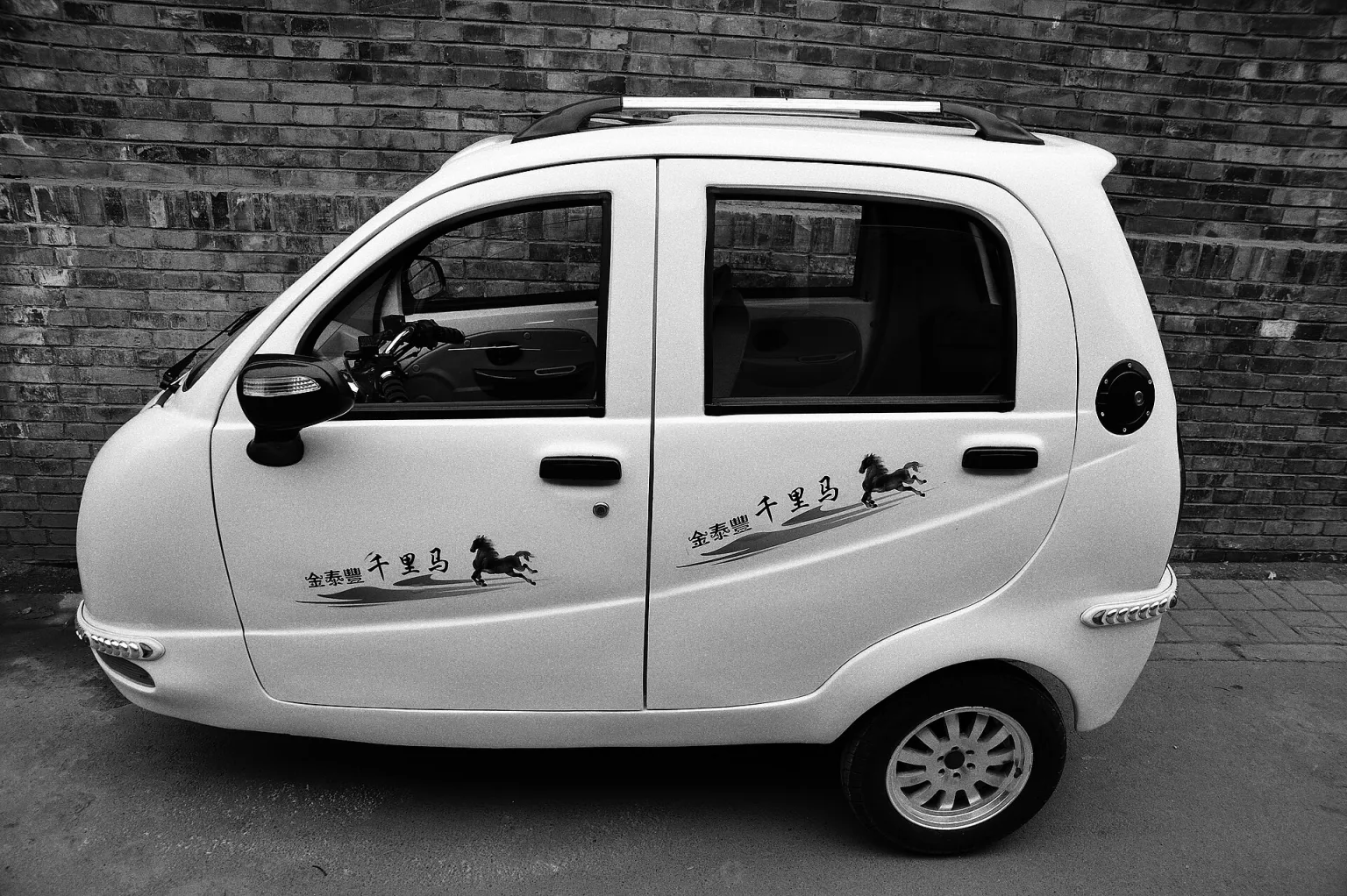
China’s finance ministry has confirmed that tax incentives for small cars will end on 1 January 2011, reinstating the standard 10% sales tax on vehicles with engines of 1.6 litres or less. The policy change, announced on the ministry’s website, brings to a close a stimulus measure that has underpinned rapid expansion in the world’s largest car market.
The tax break, first introduced in 2009 as part of China’s response to the global financial crisis, halved the purchase tax on small cars and fuelled a surge in demand. With the full 10% tax set to return, analysts and industry executives now expect China’s car sales growth to slow sharply in 2011. Forecasts suggest the market will expand by around 10%, down from the estimated 30% growth seen in 2010.
Impact on sales and manufacturers
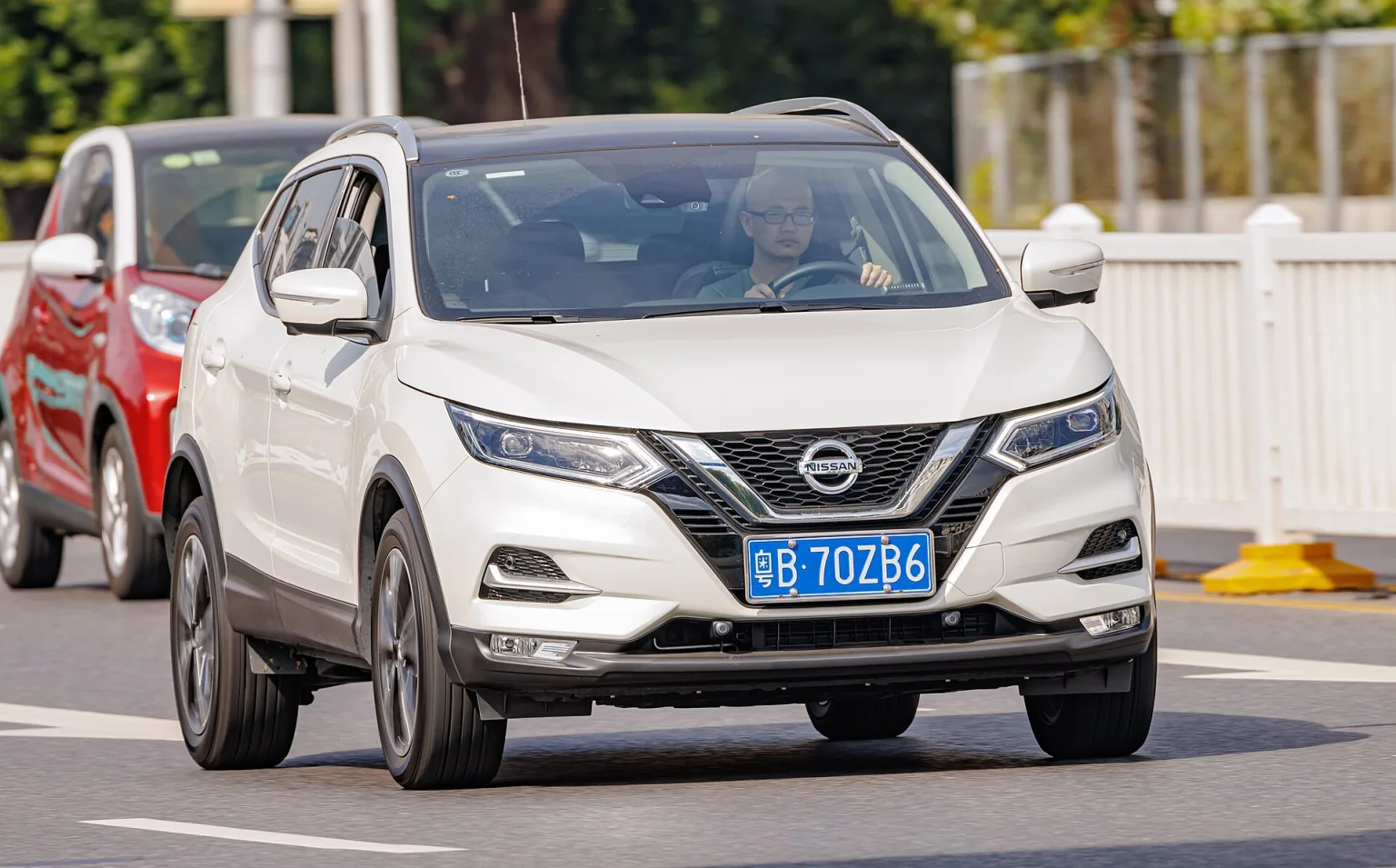
Small cars, defined as those with engines of 1.6 litres or less, account for about 60% of passenger car sales in China. The removal of the tax incentive directly affects both domestic and foreign manufacturers who have relied on strong demand in this segment. Companies such as Volkswagen, General Motors, and local brands like Chery and Geely have all benefited from the policy over the past two years.
The end of the incentive is expected to shift buyer behaviour, with some consumers likely to bring forward purchases to avoid the higher tax. Others may delay or reconsider buying, especially in rural areas and among first-time buyers, where price sensitivity is highest.
Uncertainty over other incentives
The finance ministry’s statement did not clarify the future of other stimulus measures, such as the 3,000 yuan rebate for fuel-efficient vehicles or subsidies for farmers trading in older vehicles. Both have also contributed to demand in lower-priced segments, but their continuation remains unconfirmed.
The decision to end the tax break comes as China cements its position as the world’s largest car market, having overtaken the United States. Automakers and suppliers with exposure to the Chinese market will be watching closely for further policy changes and adjusting their forecasts for 2011 accordingly.
Sales outlook for 2011
Industry forecasts point to a marked slowdown in growth after two years of exceptional expansion. The removal of the tax incentive is expected to be the main factor behind the cooling, though rising incomes and ongoing urbanisation may continue to support underlying demand. For more on recent Chinese sales data, see China auto sales slows in Jan-April.