Malaysia Announces Incentives for Energy Efficient Vehicles
The Malaysian government has unveiled a new policy offering incentives and licences to attract manufacturers of energy efficient vehicles, aiming to boost production and regain regional competitiveness.
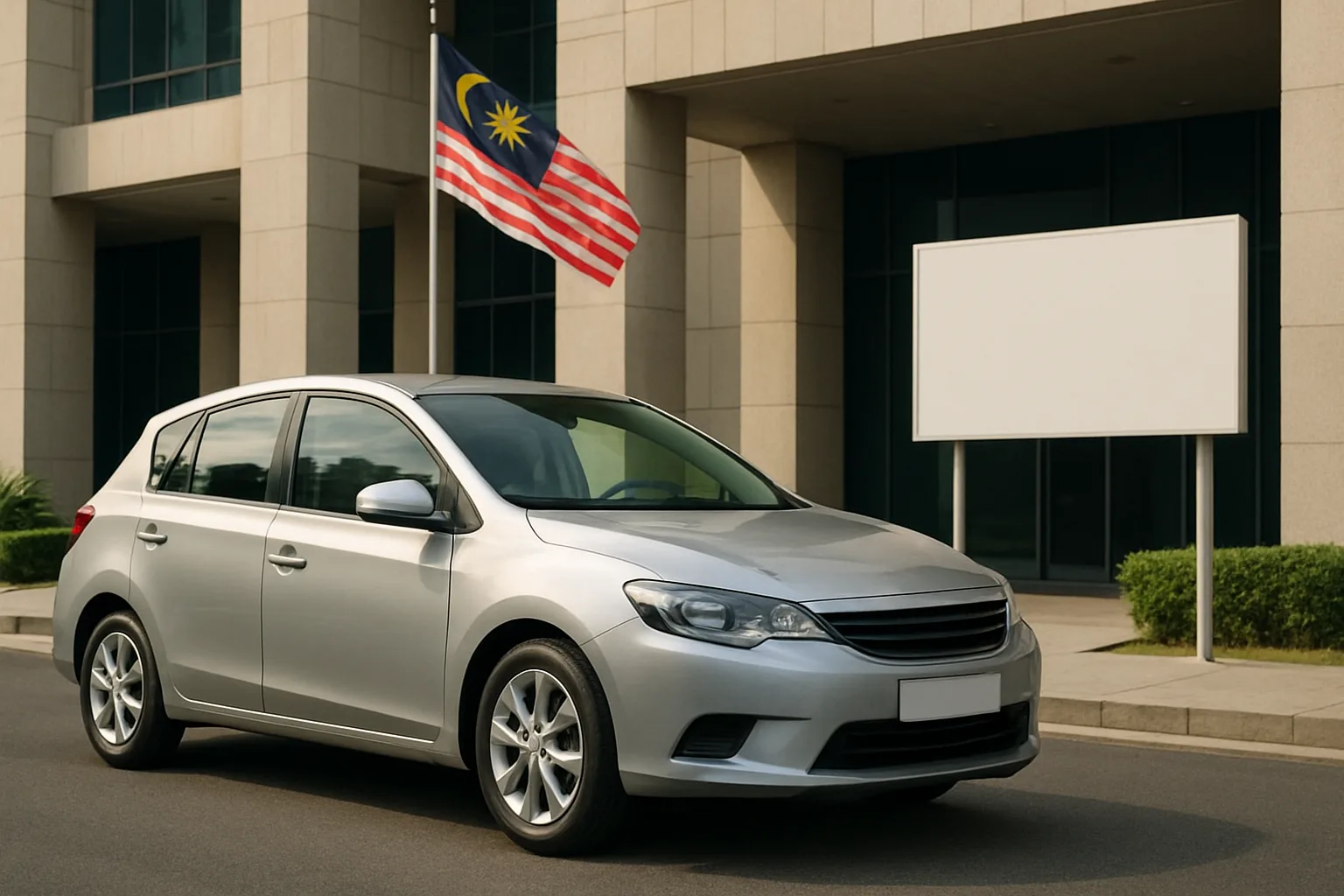
Malaysia will introduce new incentives and licences aimed at manufacturers of energy efficient vehicles, as part of its revised National Automotive Policy (NAP) announced in January 2014. The government hopes these measures will draw foreign investment and help the country regain ground in Southeast Asia’s automotive sector.
International Trade and Industry Minister Mustapa Mohamed set out the government’s ambitions at a news conference, targeting a rise in total vehicle production from around 570,000 units to 1.25 million by 2020. The policy is designed to position Malaysia as the ASEAN region’s hub for energy efficient vehicles, a title it lost to Thailand in the early 2000s after the latter adopted a more open approach to foreign carmakers.
Policy shift and expected beneficiaries
Under the new NAP, Malaysia will selectively seek foreign investments that bring advanced technology, with incentives tailored to attract global automakers. M. Madani Sahari, chief executive of the Malaysia Automotive Institute, said the previous policy only allowed manufacturing licences for vehicles with engines of at least 1.8 litres. The revised approach opens the door for smaller, more efficient cars to be built locally.
Honda and Nissan, which already have operations in Malaysia, are among the foreign manufacturers likely to benefit. The incentives are also expected to appeal to other global players looking for a regional production base, especially as neighbouring Thailand faces political unrest that could deter new investment. Toyota’s Thai unit president Kyoichi Tanada has noted that instability may prompt investors to consider alternatives such as Malaysia, Indonesia or Vietnam.
Implications for local and foreign manufacturers
The new policy marks a shift from Malaysia’s previous strategy, which prioritised the development of national brands Proton and Perodua. By opening up to foreign investment and focusing on energy efficient vehicles, the government aims to bring advanced automotive technology and higher production volumes to the country. This could create opportunities for suppliers and workers, as well as offering consumers a wider range of efficient models.
Malaysia’s move comes as other countries in the region, including China, have also introduced policies to promote greener vehicles and local production. For context, China has mandated that 30% of government vehicle purchases should be new energy vehicles by 2016 (see/china-30-of-government-cars-should-go-green).