China Passenger Car Sales Surge Nearly 60% in August 2010
Passenger car sales in China rose 59.3% year-on-year in August 2010, with nearly one million vehicles sold as discounts and strong demand drove the market.
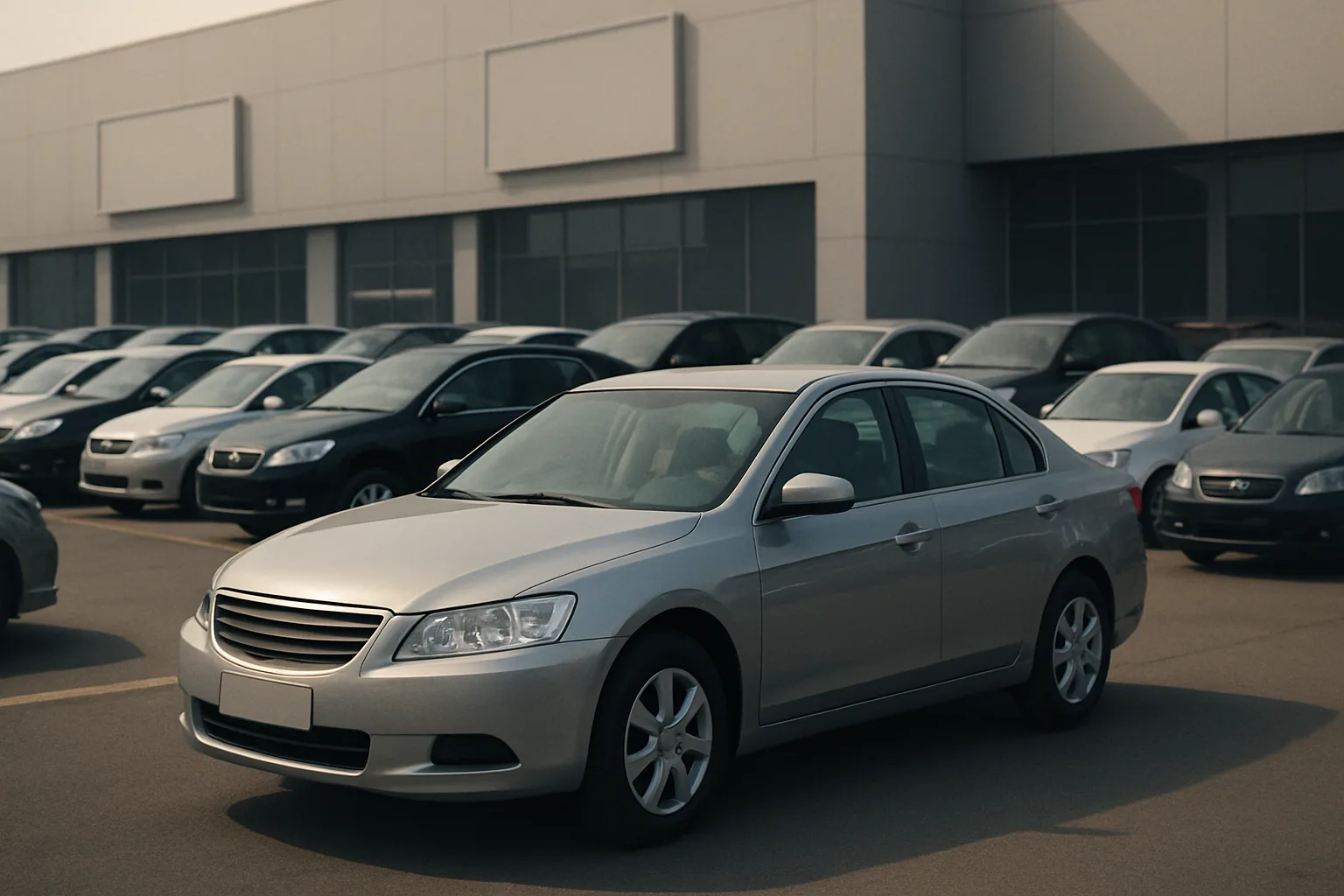
China’s passenger car market experienced a remarkable surge in August 2010, with sales rising by 59.3% compared to the same month the previous year. According to data released by the China Automotive Technology & Research Center (CATRC), 977,300 passenger vehicles were sold in the month, making it one of the sharpest monthly gains recorded during the year. This growth further cemented China’s position as the world’s largest car market, outpacing more mature markets in both scale and rate of expansion.
China's Passenger Car Sales Surge in August 2010
Factors Driving the Growth
Several factors contributed to the strong performance in August. Analysts pointed to robust underlying demand, particularly in smaller cities and emerging urban areas, where rising incomes and increasing consumer confidence have spurred private car ownership. Dealer discounting also played a significant role, as widespread promotional offers enticed buyers who may have otherwise postponed purchases. Unlike some other Asian markets, where government incentives and subsidies were key drivers, China’s August sales surge was largely attributed to market forces and consumer appetite for new vehicles.
Industry consultants observed that the strength of demand in China remained resilient, even as incentives in other regions were winding down. The combination of pent-up demand, especially outside the largest cities, and aggressive dealer competition contributed to the record-breaking figures. This environment enabled manufacturers and their joint ventures to achieve substantial sales increases across the board.
Performance of Major Automakers
Foreign automakers and their local joint ventures were among the main beneficiaries of the August sales boom. General Motors maintained its lead among international brands, selling 181,625 vehicles in China, an increase of 19.2% over the previous year. Toyota’s joint ventures achieved a 16% rise, reaching 77,000 units, while Hyundai-Kia recorded a 20.5% jump to 85,827 vehicles. Honda’s sales grew by 5.9% to 48,399 units, and Ford posted a 24% increase, selling 44,047 vehicles during the month.
| Automaker | August 2010 Sales | Year-on-Year Change |
|---|---|---|
| General Motors | 181,625 | +19.2% |
| Toyota (JVs) | 77,000 | +16% |
| Hyundai-Kia | 85,827 | +20.5% |
| Honda | 48,399 | +5.9% |
| Ford | 44,047 | +24% |
The continued expansion of these brands was supported by their local partnerships, which enabled them to tailor products and marketing strategies to Chinese consumer preferences. The August results underscored the importance of these joint ventures in capturing market share and responding to evolving demand patterns.
Market Context and Consequences
The scale of growth in August followed a period of steady expansion in China’s automotive sector, with international and domestic brands alike seeking to establish or strengthen their presence. The rapid increase in car ownership, especially among first-time buyers in smaller cities, highlighted a shift in consumer behaviour and the growing influence of the middle class. While dealer incentives played a role, the broader context was one of rising aspirations and improved access to credit, making car ownership more attainable for millions of households.
Analysts noted that the strong performance in China contrasted with trends in other Asian markets, such as Japan, where government subsidies were set to expire and consumers rushed to take advantage of incentives before they ended. In China, the growth appeared more sustainable, driven by genuine demand rather than short-term policy measures. However, some observers cautioned that the pace of expansion could eventually slow as the market matured and competition intensified, leading to potential challenges for automakers in maintaining high growth rates.
Looking Ahead: Sustainability of Growth
The August 2010 figures demonstrated the extraordinary momentum of China’s automotive market during a period when global sales in other regions were often stagnant or growing modestly. The ability of automakers to sustain such rapid expansion would depend on several factors, including continued economic growth, the development of infrastructure to support rising vehicle ownership, and the evolution of consumer preferences. As more brands entered the market and competition increased, companies would need to innovate and adapt to maintain their market positions.
China’s 59.3% year-on-year increase in passenger car sales in August 2010 was a standout result in the global automotive industry. The figures reflected not only the effectiveness of dealer incentives and local partnerships but also the underlying strength of consumer demand across the country. As the world’s largest car market, China continued to set the pace for growth and transformation in the automotive sector.