China considers opening electric car production to non-automakers
China’s government is reviewing rules that could allow non-traditional companies to manufacture electric vehicles, in a move aimed at boosting its new energy car sector.
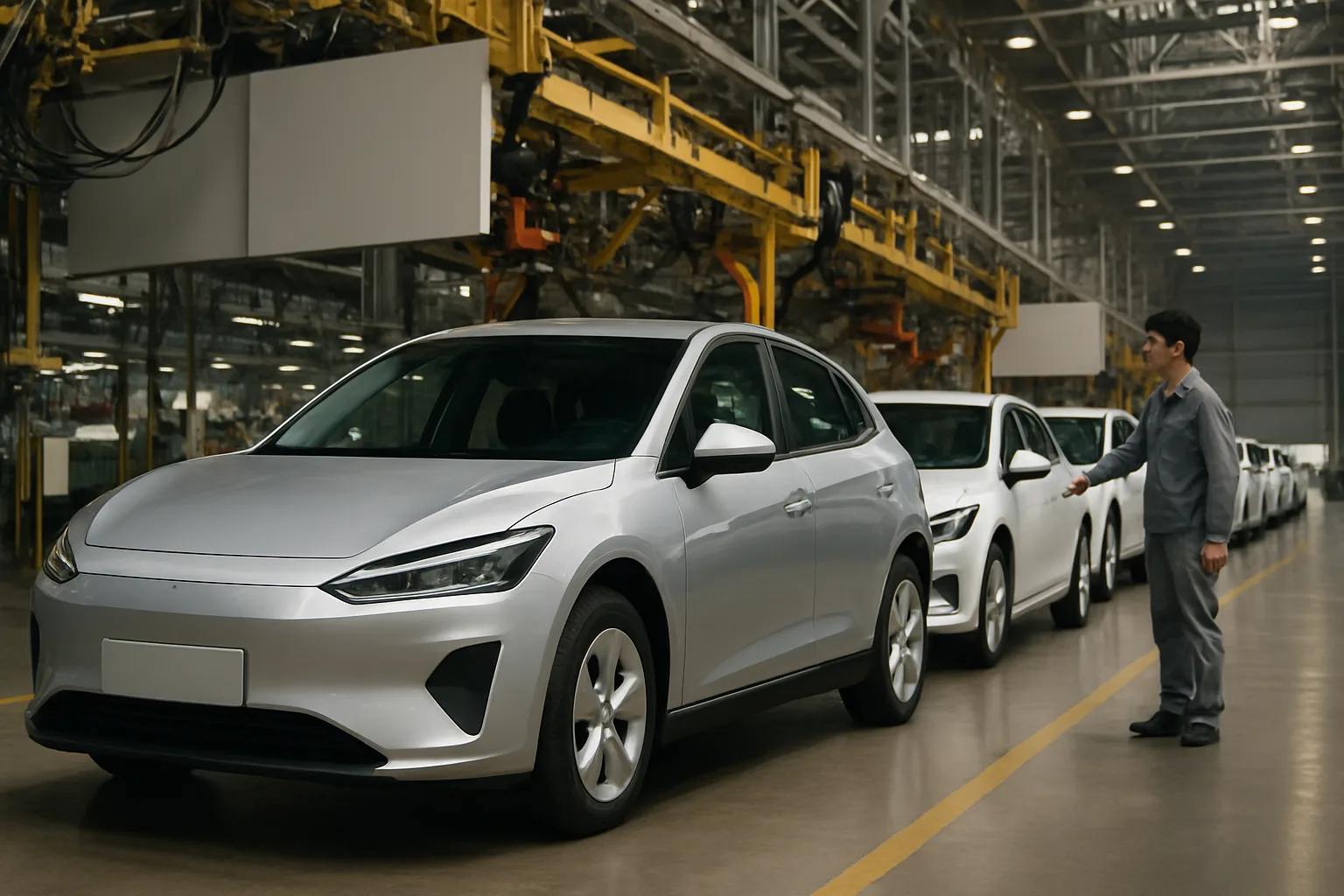
Chinese authorities are considering changes to electric vehicle production rules that could allow non-automotive companies to obtain manufacturing licences, according to recommendations from the China Automotive Technology and Research Center (CATARC) in early 2014.
The review comes as China seeks to accelerate the adoption of new energy vehicles, a category that includes both fully electric cars and plug-in hybrids. Policymakers see this as a route to tackling urban air pollution and reducing reliance on imported oil, but uptake has been slow due to high purchase prices, limited driving range and a shortage of charging infrastructure.
Potential for new entrants in electric vehicles
At the time, Chinese law required a production licence to build vehicles, and these were typically reserved for established carmakers. CATARC’s proposal would see the rules relaxed to let companies from outside the traditional automotive sector, such as technology or component suppliers, enter the market. The state-run research body’s recommendations carried weight in shaping government policy.
This could bring new competition for incumbent electric vehicle makers such as BYD and international companies like Tesla. It also opened the door for large parts suppliers, such as Wanxiang Group, which had recently acquired the assets of US-based Fisker Automotive, to develop their own electric cars for the Chinese market.
Implications for the industry and consumers
If adopted, these changes would lower the barrier for new entrants, potentially increasing innovation and competition in the sector. For consumers, this could mean a wider range of electric vehicles, more competitive pricing and faster development of charging networks as new players invest in the market. For existing manufacturers, the shift threatened increased competition, especially from well-funded technology firms and major suppliers.
The review of production rules formed part of a broader government strategy to strengthen China’s position in the global electric vehicle market. For more on China’s policy moves at the time, see China Prepares Draft Policy to Open Electric Vehicle Production to New Entrants.