InAutoNews

News

Global Electric Car Sales Remain Below 1% Despite Incentives

Even with generous tax breaks and government support, electric cars accounted for less than 1% of new vehicle sales worldwide in 2013, with only a few regional exceptions.
By Editorial Desk Updated
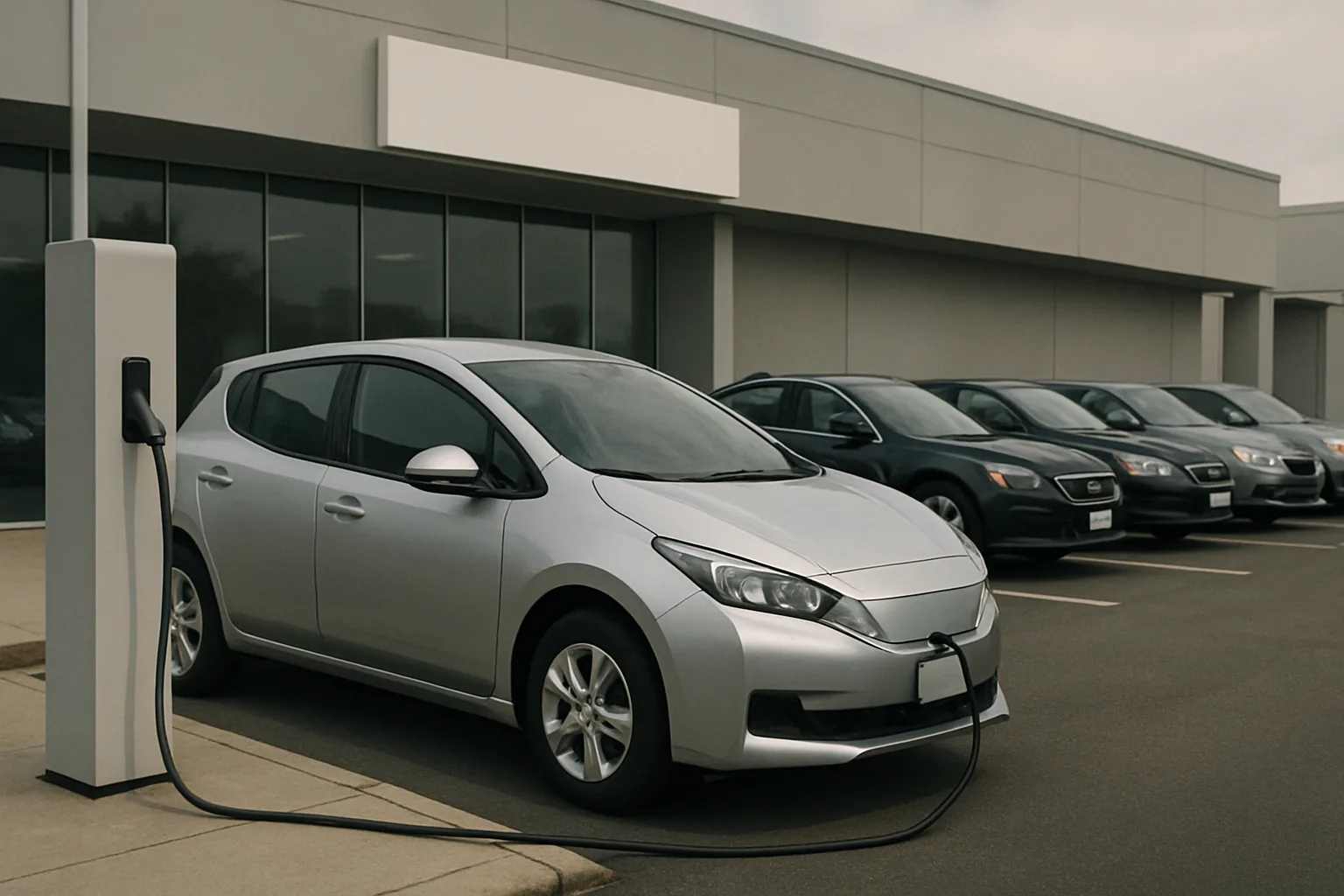
Silver car parked at a charging station in front of a modern grey building with several darker cars lined up nearby
Illustration

Electric car sales in 2013 failed to reach the breakthrough many policymakers and manufacturers had hoped for, with battery-powered vehicles accounting for less than 1% of new car sales across most developed markets. The figure highlights the scale of the challenge facing the industry, despite substantial government incentives and investment in electric mobility.

Incentives such as tax breaks and exemptions have been widely adopted by governments aiming to encourage the shift from petrol and diesel to electric vehicles. Yet, according to the International Council on Clean Transportation (ICCT), these fiscal measures alone have not been enough to trigger mass adoption. In most countries, consumer reluctance and infrastructure limitations continue to limit demand.

Norway and California stand out as exceptions. Both regions have seen higher electric vehicle uptake, supported by not just fiscal incentives but also strong non-financial policies. These include access to bus lanes, free parking, investment in charging infrastructure and clear regulatory targets. In Norway, for example, electric cars have become a common sight, prompting a government review of subsidies as sales outpace forecasts.

Slow progress towards global targets

The International Energy Agency set an ambitious target of 20 million electric cars on the road by 2020. With only around 200,000 electric vehicles sold worldwide in 2013, that goal appeared increasingly distant. For comparison, the Ford Focus alone sold over 1.1 million units globally in the same year.

Market analysts and industry groups have pointed to the limited range of electric vehicles, higher upfront prices and patchy charging infrastructure as ongoing barriers. While manufacturers have invested heavily in EV development, consumer demand remains weak outside a handful of supportive markets. Some automakers have responded by cutting prices or offering additional incentives to stimulate sales, as seen in the US.

What is holding back electric car adoption?

  • Limited public charging infrastructure in most countries
  • Higher purchase prices compared to petrol or diesel cars
  • Concerns over driving range and battery longevity
  • Lack of consumer awareness or confidence in EV technology

Industry observers suggest that a combination of policy tools is needed to accelerate uptake. These include direct financial incentives, investment in charging networks, stricter emissions standards and public education campaigns. Without a broader package of measures, electric vehicles are likely to remain a niche choice in most markets for the foreseeable future.

For more on regional differences in electric vehicle uptake, see Norway reconsiders EV subsidies as electric car sales outpace forecasts
More from News

Tesla Semi electric truck
News

Tesla Semi Set for European Debut at IAA Hannover 2026

Mercedes-Benz GenH2 Truck at IAA Transportation 2024
News

Daimler, Volvo, Toyota and Partners Target Hydrogen Trucking by 2030

2026 Kia EV4 in a contemporary setting
News

Kia launches EV4 GT in Canada with dual-motor AWD and CA$58,595 price

Two stylized cars parked outside a modern building with a bold black upward arrow on the wall behind them
News

Western European car sales rise 4% in June, led by southern markets